Electric VehiclesTechnical Deep Dive

Fraunhofer Cracks the Code for High-Performance Aluminium Anodes

Published
EElectricBuzz Editorial Team
Fraunhofer Cracks the Code for High-Performance Aluminium Anodes
3 min read465 wordsElectricBuzz Editorial Team

The Gist

“Researchers have developed a breakthrough method to stabilize aluminium anodes, potentially replacing graphite and silicon in next-generation lithium-ion batteries.”

A New Era for Anode Materials

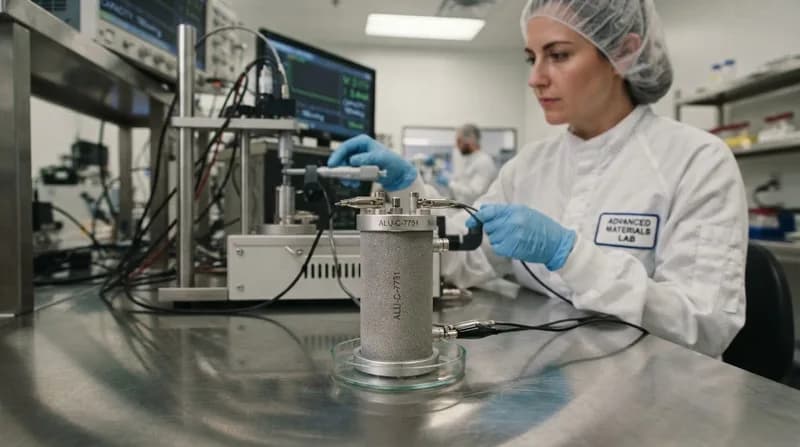
Researchers at the Fraunhofer Institute for Manufacturing Engineering and Automation (IPA) and the University of Stuttgart have achieved a significant milestone in battery technology: the stabilization of aluminium anodes. For years, aluminium has been viewed as a promising, low-cost, and abundant alternative to graphite and silicon. However, its practical application has remained elusive due to the material's tendency to undergo violent volume expansion and contraction during charge cycles, leading to structural pulverization and rapid capacity degradation.

By developing a proprietary cell and electrode architecture, the team has successfully managed these mechanical stresses. This innovation allows the aluminium to maintain consistent electrical contact, paving the way for batteries that are not only more sustainable but potentially more cost-effective to produce at scale.

The Advantage of Dual-Purpose Aluminium Foil

One of the most compelling aspects of this new technology is its simplicity. Unlike traditional anodes that require a copper current collector coated with active material, this design uses commercially available alloyed aluminium foil as both the active material and the current collector. This dual-functionality eliminates the need for expensive copper components and complex coating processes, significantly lowering both production costs and the total energy required during manufacturing.

By removing graphite and silicon from the equation, manufacturers could circumvent the supply chain challenges currently associated with critical raw materials. Furthermore, the chemistry is designed to be phosphate-free, offering a viable, lower-cost alternative to lithium iron phosphate (LFP) standards. When paired with a lithium manganese oxide (LMO) cathode, the system can even be made entirely fluorine-free, mitigating the risk of hydrogen fluoride gas release during battery fire events.

Why it Matters

  • Supply Chain Independence: Eliminates reliance on graphite, a critical material currently facing supply bottlenecks.
  • Safety Enhancements: Enables a PFAS-free cell structure that avoids toxic chemical risks during thermal runaway.
  • Manufacturing Compatibility: The design is compatible with existing battery production facilities, removing the need for a total infrastructure overhaul.
  • Cost Efficiency: Simplifies cell construction by using one material to serve two roles, reducing raw material usage.

Outlook and Future Applications

While testing remains ongoing at the Fraunhofer IPA’s Centre for Digitalised Battery Cell Production, the early results are highly encouraging. The institute is currently evaluating several prototypes to verify the long-term performance and energy density of the cells. Because the design does not require a complete redesign of existing factory lines, the path to industrial adoption is significantly clearer than most experimental battery chemistries.

Initial use cases for this technology are focused on high-stakes sectors where safety and space optimization are paramount, such as air freight, remote tracking systems, and specialized medical equipment. As the technology matures, it promises to be a robust solution for industries seeking a safer, more sustainable, and high-performance energy storage alternative that aligns with global green manufacturing goals.

SPONSORED
The 5 Best Over-Ear ANC Headphones of 2026, Tested & Ranked
Editor's Pick Guide
92/100
Tech & Gadgets•12 min read

The 5 Best Over-Ear ANC Headphones of 2026, Tested & Ranked

We locked five over-ear ANC picks for 2026 — Sony WH-1000XM6, Bose QuietComfort Ultra 2, Soundcore Space One, Sennheiser Momentum 5, and Apple AirPods Max 2 — then stress-tested them on lab metrics, long-term owner truth, and live street prices.

Related Stories

Semantically matched articles, ranked by topic overlap and freshness.

Chery Sets Sights on Germany with New European EV Strategy
Electric Vehicles

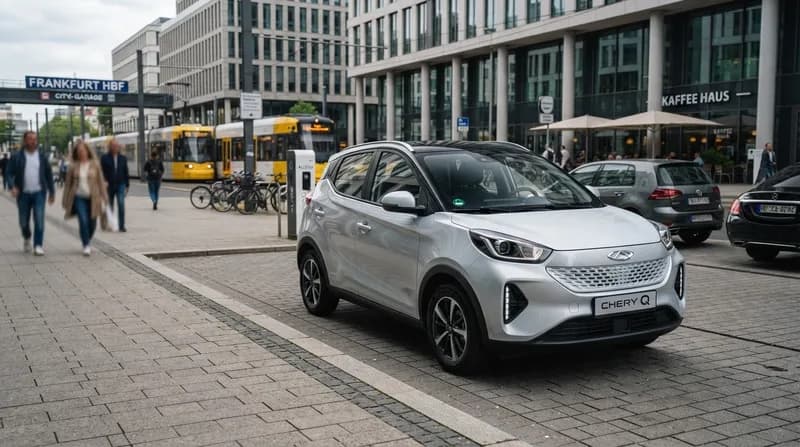
Chery Sets Sights on Germany with New European EV Strategy

China's leading vehicle exporter is planting its flag in Germany, preparing to introduce the compact Chery Q electric car alongside a robust hybrid lineup.

Volvo’s EX60 Production Hurdles Put U.S. Deliveries on Ice
Electric Vehicles

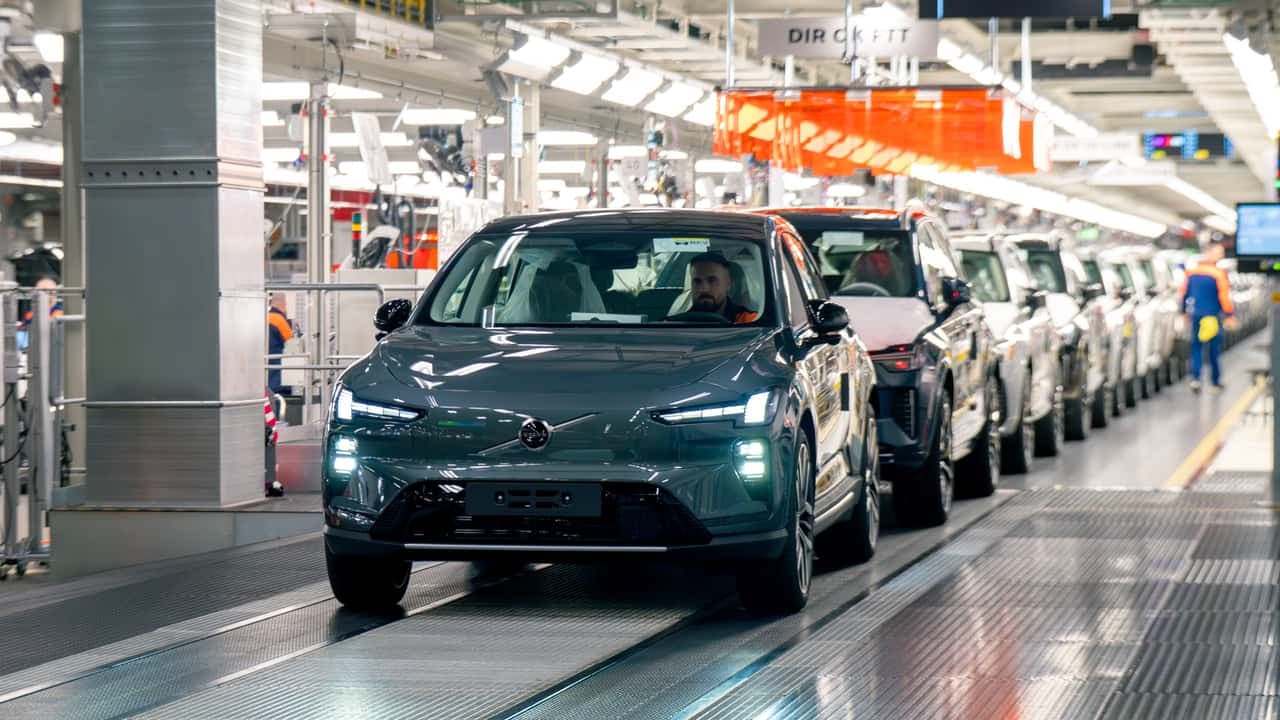
Volvo’s EX60 Production Hurdles Put U.S. Deliveries on Ice

Ambitious manufacturing goals for Volvo's flagship electric SUV have hit a wall, leaving American buyers waiting until next year as the automaker struggles with complex assembly line challenges.

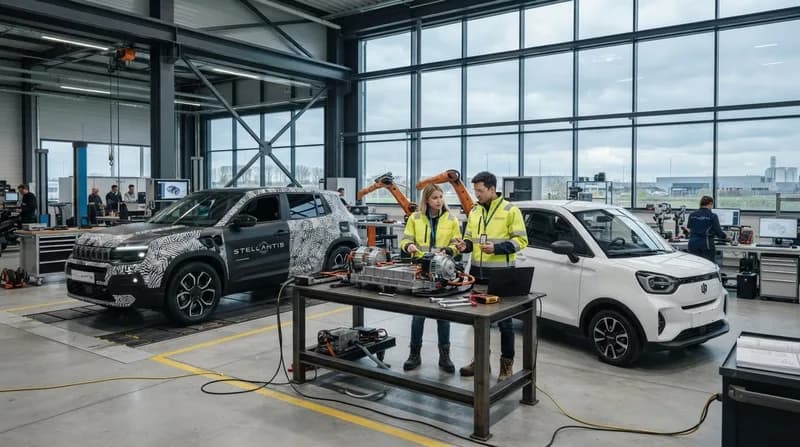
Stellantis and Leapmotor Deepen Strategic Alliance to Accelerate European EV Development
Electric Vehicles

Stellantis and Leapmotor Deepen Strategic Alliance to Accelerate European EV Development

Stellantis and Chinese automaker Leapmotor are evolving from simple distribution partners into an integrated industrial team, leveraging shared engineering to combat Europe's technological lag in electrification.

Tasmania Supercharges Tourism with New EV Destination Charging Grants
Electric Vehicles

Tasmania Supercharges Tourism with New EV Destination Charging Grants

The Australian island state is deploying 50 new EV charging points to help travelers power up while they enjoy the local hospitality scene.

Volkswagen Pivots to SSP Architecture for Next-Gen ID. Buzz
Electric Vehicles

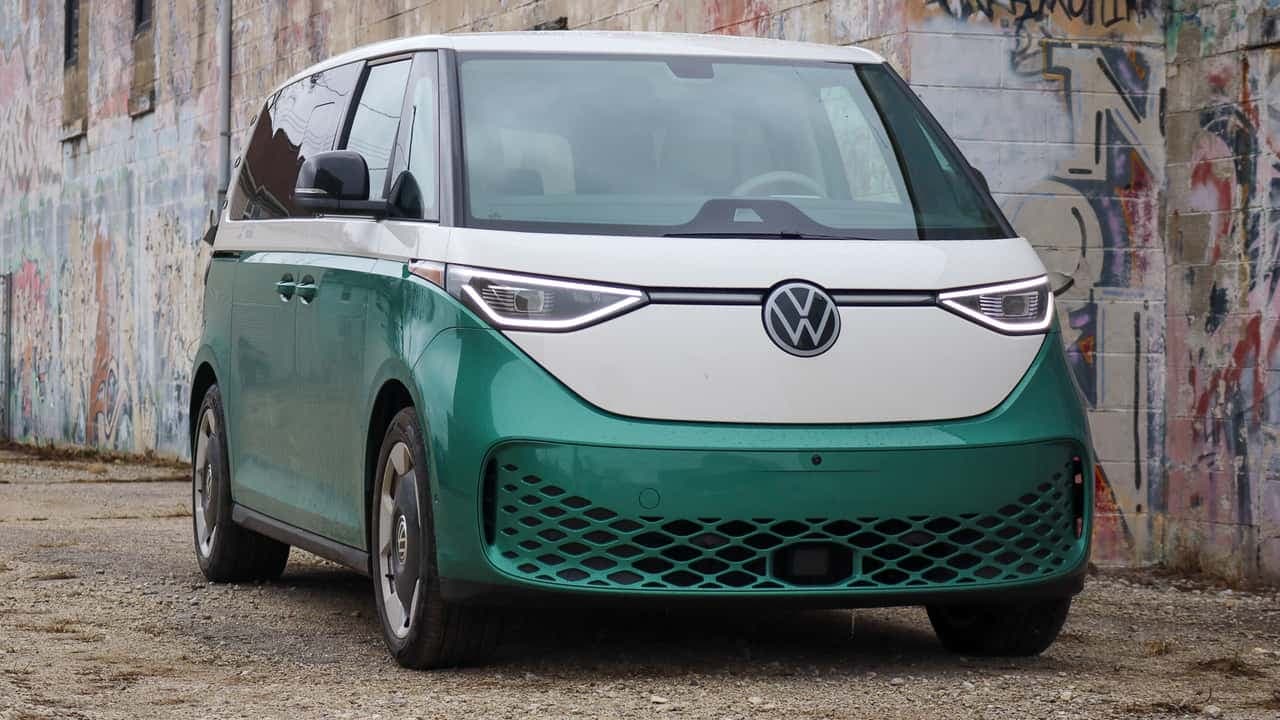
Volkswagen Pivots to SSP Architecture for Next-Gen ID. Buzz

Volkswagen is retooling its iconic electric van, moving to the advanced SSP platform to drive down costs while significantly boosting performance and charging capabilities.

BMW Accelerates EV Momentum: Q3 2026 Deliveries Climb
Electric Vehicles

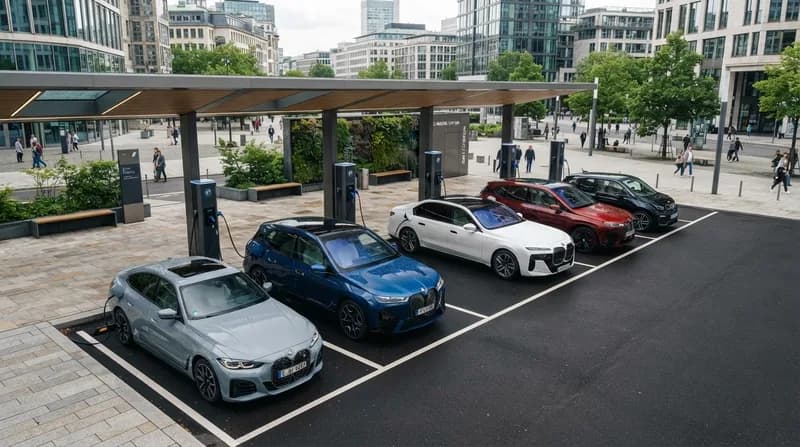
BMW Accelerates EV Momentum: Q3 2026 Deliveries Climb

BMW marks a significant shift in its electrification strategy with a steady rise in global battery-electric vehicle deliveries throughout the third quarter of 2026.

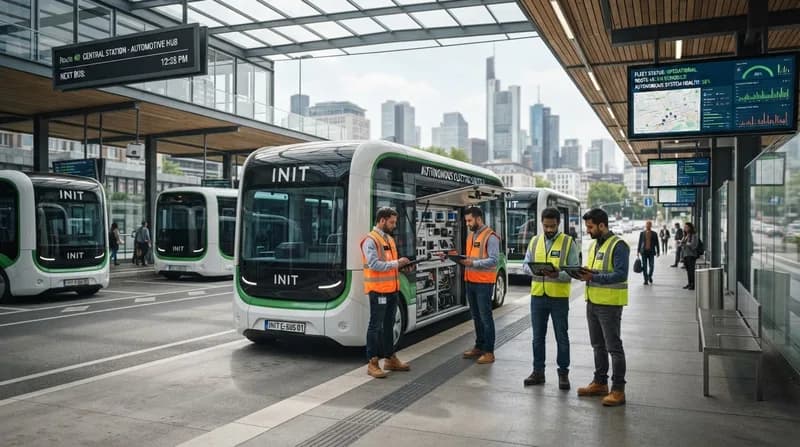
INIT Expands Into Autonomous Fleet Management With Applied Autonomy Stake
Electric Vehicles

INIT Expands Into Autonomous Fleet Management With Applied Autonomy Stake

Public transport giant INIT is pivoting toward the future of mobility by acquiring a majority stake in the Norwegian autonomous fleet specialist Applied Autonomy.

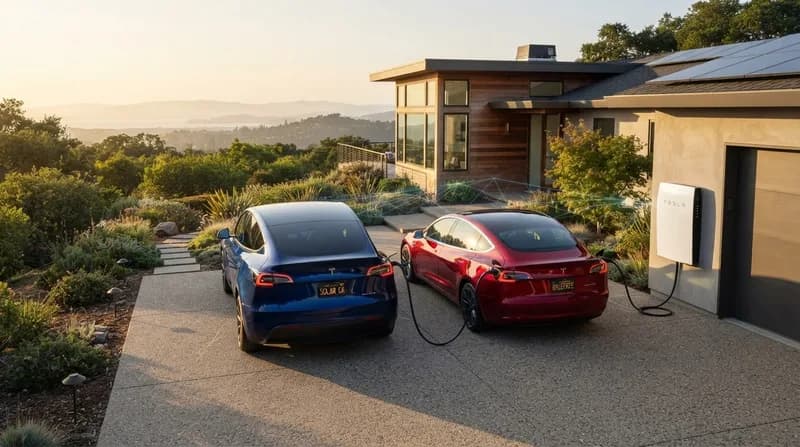
Tesla Expands Powershare Home Backup to Model 3 and Model Y
Electric Vehicles

Tesla Expands Powershare Home Backup to Model 3 and Model Y

Tesla's bidirectional charging capabilities are no longer exclusive to the Cybertruck, bringing emergency grid independence to its most popular consumer vehicles.