Electric VehiclesTechnical Deep Dive

Volkswagen Pivots to SSP Architecture for Next-Gen ID. Buzz

Published
EElectricBuzz Editorial Team
Volkswagen Pivots to SSP Architecture for Next-Gen ID. Buzz
3 min read487 wordsElectricBuzz Editorial Team

The Gist

“Volkswagen is retooling its iconic electric van, moving to the advanced SSP platform to drive down costs while significantly boosting performance and charging capabilities.”

The Shift to Scalable Systems Platform

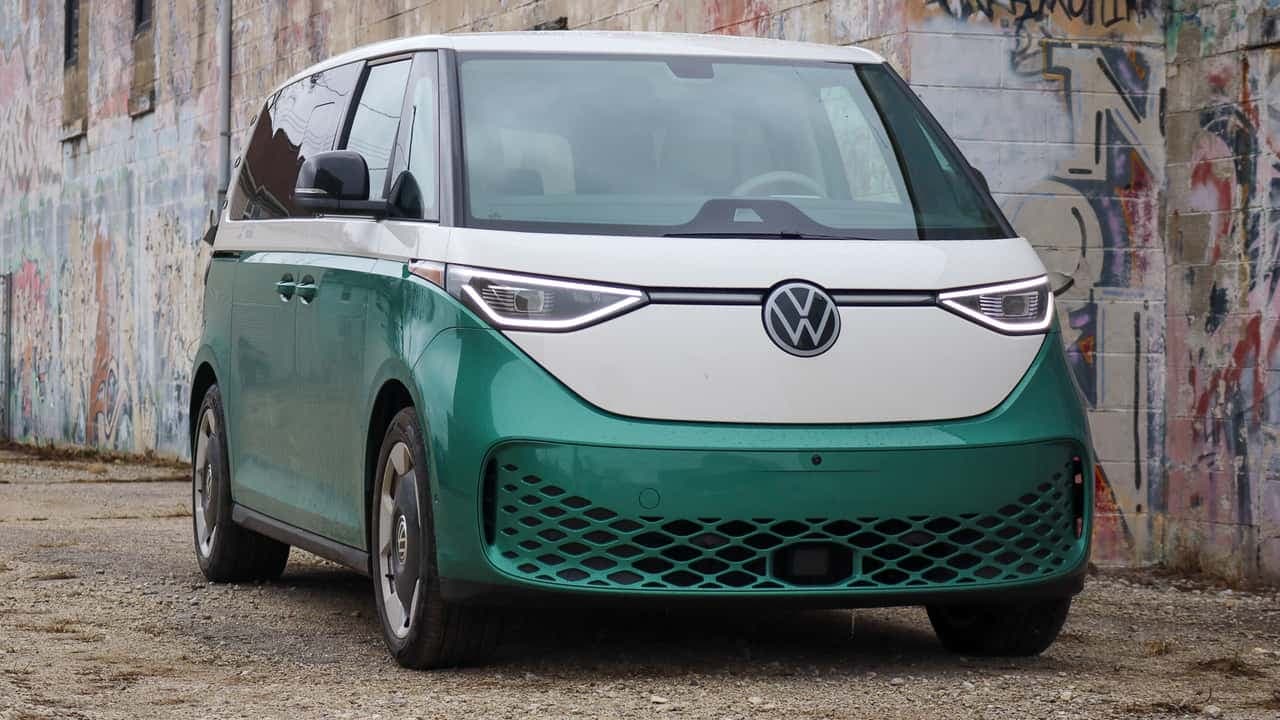
Volkswagen’s strategy for its iconic electric van is undergoing a major evolution. While the current ID. Buzz has captivated the market with its retro charm and spacious interior, CEO Thomas Schäfer has openly admitted that the vehicle's manufacturing costs are too high. To address this, the next generation of the van will transition from the current MEB platform to the Volkswagen Group’s next-generation Scalable Systems Platform (SSP).

This move is central to Volkswagen's goal of achieving better economies of scale. By utilizing the SSP architecture—which is designed to underpin a wide variety of future electric models across the company's brands—VW can streamline development and manufacturing processes. This consolidation is a vital step toward reducing the price tag, potentially making the van more accessible to a broader consumer base while simultaneously offering superior hardware compared to its predecessor.

Performance and Charging Breakthroughs

The technical advantages of the SSP transition are significant, particularly concerning energy management. One of the primary targets for the new platform is the integration of an 800-volt electrical architecture. This upgrade promises to drastically reduce downtime, with internal goals suggesting a charge time of just 12 minutes to go from 5% to 80% capacity. This would represent a major leap forward from the current model's already respectable charging profile.

Beyond speed, the next-gen ID. Buzz will benefit from a comprehensive electronic overhaul developed in collaboration with Rivian. This partnership will introduce centralized high-performance computing units to the van. This new electronic brain will power advanced driver assistance systems (ADAS) and sophisticated infotainment setups that are capable of receiving continuous improvements through over-the-air (OTA) updates, ensuring the vehicle remains technologically relevant long after it leaves the dealership.

Interior Design and User Experience

The interior of the next-generation van is set to move away from the controversial touch-heavy interface found in many current VW products. Drawing inspiration from the modern ID. Polo and Tiguan designs, the cabin will prioritize usability by reintroducing physical switches. This design shift reflects a broader push by Volkswagen’s design team, led by Andreas Mindt, to foster a cabin experience that emphasizes stability and functional character over the gimmicks of early EV interiors.

Why it Matters

  • Cost Reduction: Leveraging the SSP platform allows VW to spread development costs across millions of vehicles.
  • Technology Infusion: The collaboration with Rivian brings state-of-the-art centralized computing to the VW ecosystem.
  • Usability: A return to physical controls signals a pivot toward driver-focused ergonomics.
  • Battery Efficiency: The potential inclusion of LFP batteries could further reduce costs and provide more durable daily operation.

While fans await the arrival of this second-generation van—expected to debut following the launch of the SSP-based ID. Touareg towards the end of the decade—Volkswagen continues to refine the current iteration. Upcoming updates will introduce more sophisticated software, refreshed trim options, and improved driver-assistance features, ensuring the ID. Buzz remains a competitive contender in the electric van segment in the interim.
SPONSORED
The 5 Best Over-Ear ANC Headphones of 2026, Tested & Ranked
Editor's Pick Guide
92/100
Tech & Gadgets•12 min read

The 5 Best Over-Ear ANC Headphones of 2026, Tested & Ranked

We locked five over-ear ANC picks for 2026 — Sony WH-1000XM6, Bose QuietComfort Ultra 2, Soundcore Space One, Sennheiser Momentum 5, and Apple AirPods Max 2 — then stress-tested them on lab metrics, long-term owner truth, and live street prices.

Related Stories

Semantically matched articles, ranked by topic overlap and freshness.

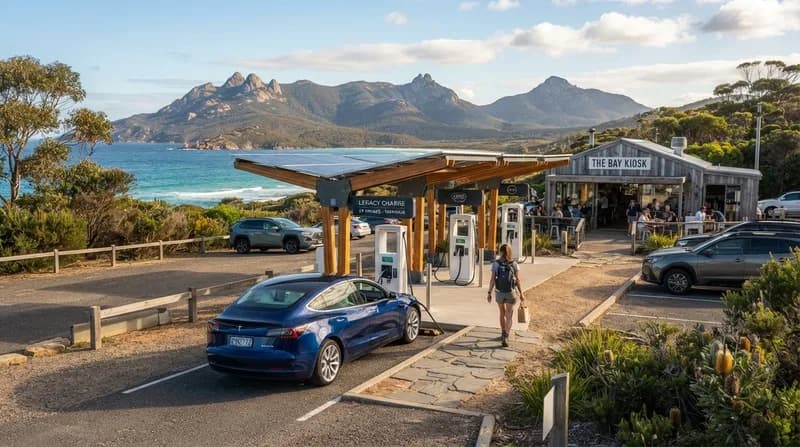
Tasmania Supercharges Tourism with New EV Destination Charging Grants
Electric Vehicles

Tasmania Supercharges Tourism with New EV Destination Charging Grants

The Australian island state is deploying 50 new EV charging points to help travelers power up while they enjoy the local hospitality scene.

BMW Accelerates EV Momentum: Q3 2026 Deliveries Climb
Electric Vehicles

BMW Accelerates EV Momentum: Q3 2026 Deliveries Climb

BMW marks a significant shift in its electrification strategy with a steady rise in global battery-electric vehicle deliveries throughout the third quarter of 2026.

INIT Expands Into Autonomous Fleet Management With Applied Autonomy Stake
Electric Vehicles

INIT Expands Into Autonomous Fleet Management With Applied Autonomy Stake

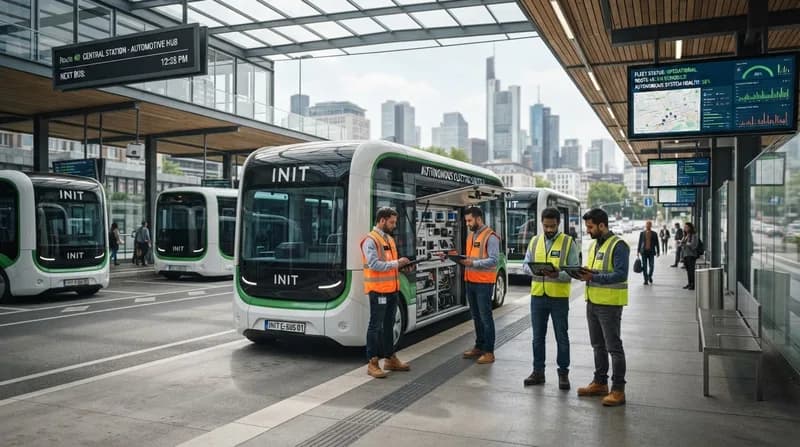
Public transport giant INIT is pivoting toward the future of mobility by acquiring a majority stake in the Norwegian autonomous fleet specialist Applied Autonomy.

Tesla Expands Powershare Home Backup to Model 3 and Model Y
Electric Vehicles

Tesla Expands Powershare Home Backup to Model 3 and Model Y

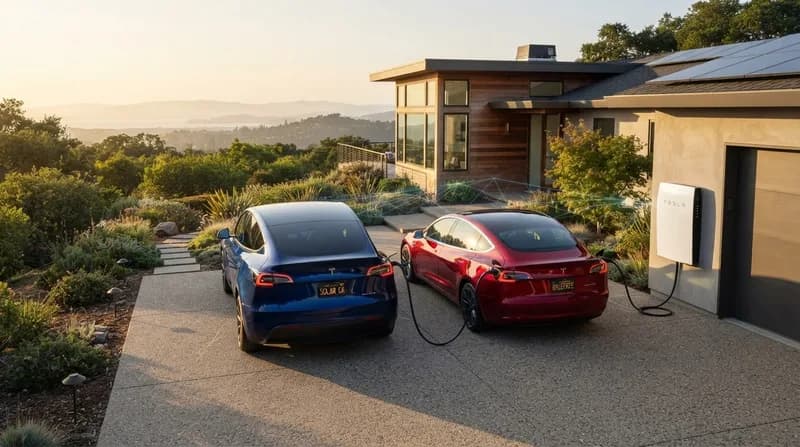
Tesla's bidirectional charging capabilities are no longer exclusive to the Cybertruck, bringing emergency grid independence to its most popular consumer vehicles.

Forthing Expands European Reach with Family-Focused EV Lineup
Electric Vehicles

Forthing Expands European Reach with Family-Focused EV Lineup

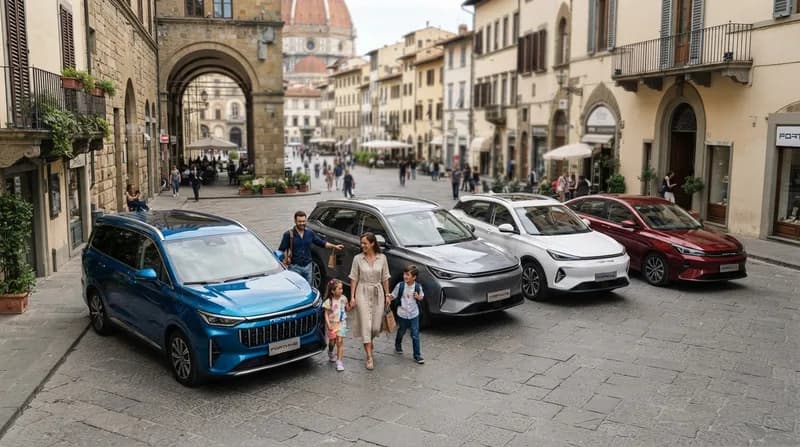
Chinese manufacturer Forthing is targeting the European family market with a fresh trio of versatile electric and hybrid vehicles unveiled at their latest major trade show appearance.

EU and China Strike Deal: Capping Hybrid Imports to Ease Trade Tensions
Electric Vehicles

EU and China Strike Deal: Capping Hybrid Imports to Ease Trade Tensions

A new trade agreement will limit Chinese-made hybrid imports to 350,000 units annually, marking a significant shift in the competitive landscape of the European automotive market.

Mercedes-Benz Unveils Bidirectional V2G Charging Package for German Market
Electric Vehicles

Mercedes-Benz Unveils Bidirectional V2G Charging Package for German Market

Mercedes-Benz is officially turning its electric fleet into active energy assets with the launch of a new bidirectional charging package designed to lower costs for owners while supporting the power grid.

China’s EV Market Hits Historic High as Battery-Electric Sales Surge
Electric Vehicles

China’s EV Market Hits Historic High as Battery-Electric Sales Surge

China's electric vehicle market reaches a massive milestone, with battery-electric vehicle sales hitting 1.28 million units in a record-breaking September.