A Strategic Shift in Automotive Trade
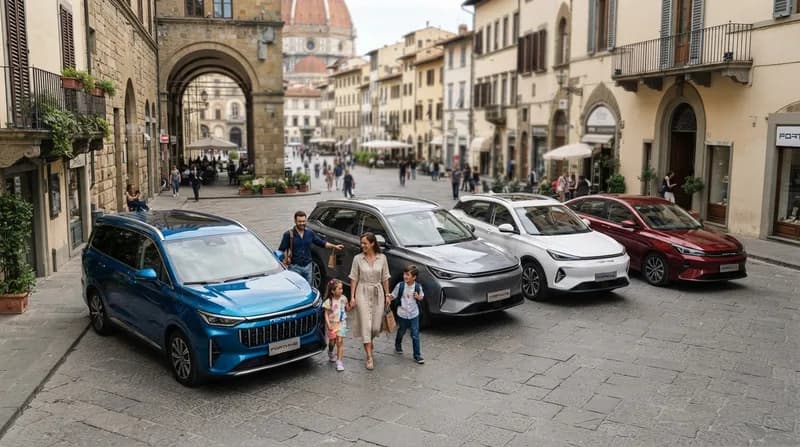
In a major move to address escalating trade tensions between Brussels and Beijing, the European Union and China have finalized a significant agreement aimed at curbing the influx of Chinese-manufactured hybrid vehicles. As part of a broader strategy to protect domestic industrial interests, Chinese exporters have agreed to an annual cap of 350,000 units for conventional and plug-in hybrid electric vehicles (PHEVs). This volume limit is set to grow by 6% annually, providing a predictable—albeit restricted—path for Chinese automakers looking to maintain a foothold in the European market.
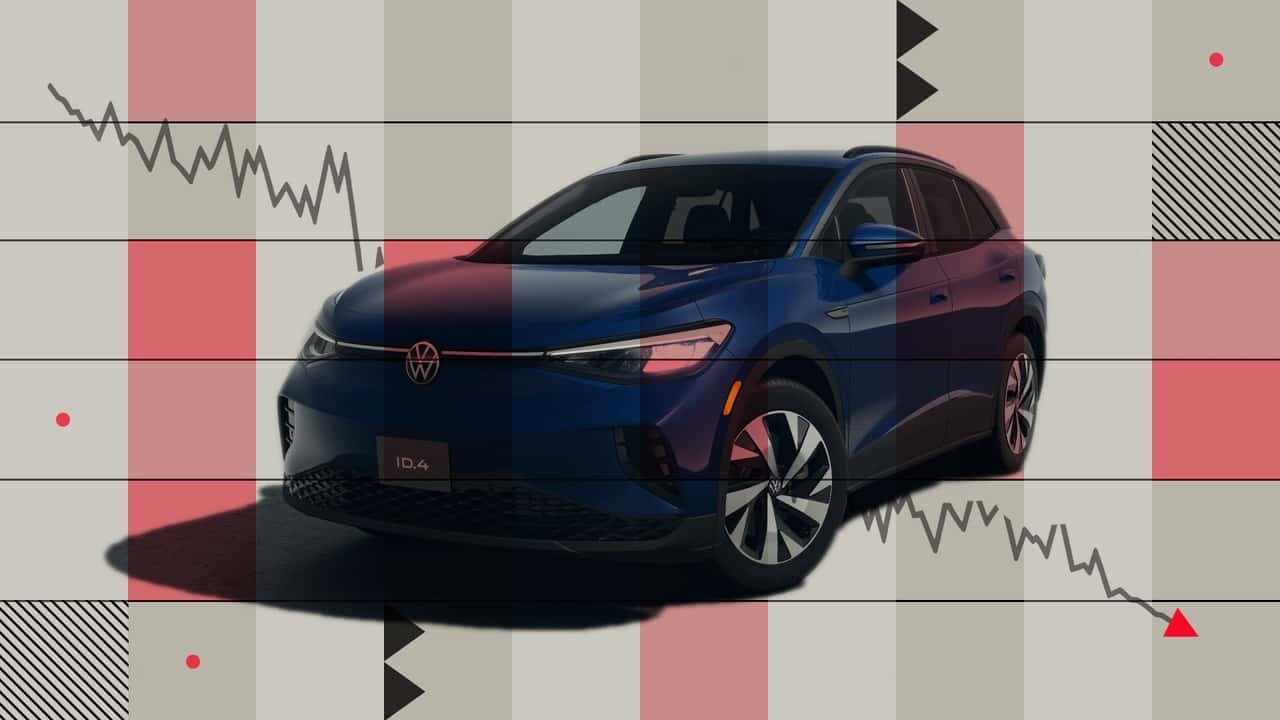
This policy adjustment follows a period of intense pressure on European manufacturers. With local stalwarts like the Volkswagen Group announcing massive restructuring efforts, including significant job cuts and model line consolidation, the rise of affordable, high-tech vehicles from China has become a focal point of economic debate. For many European consumers, the appeal of Chinese brands lies in their value proposition, but for the EU, the dominance of these imports in the hybrid segment necessitated a regulatory response to ensure a level playing field.
Why It Matters: The Hybrid Loophole
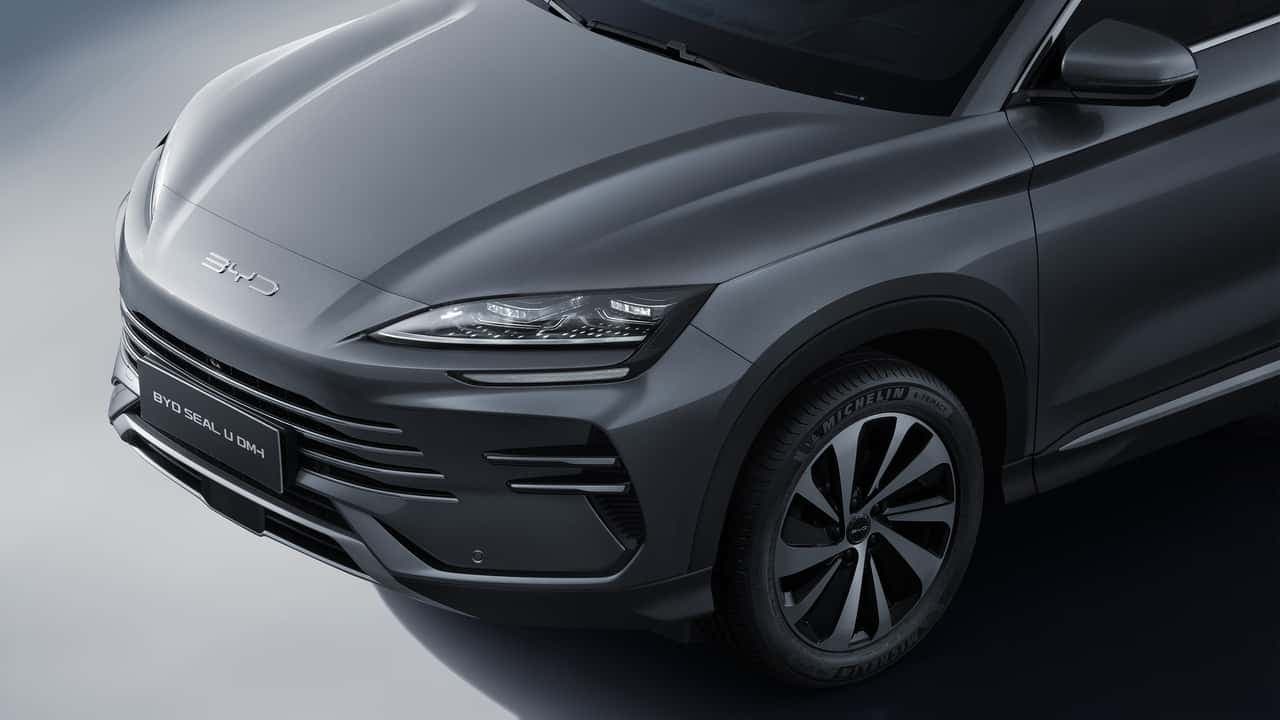
The import cap is particularly critical because of how it targets current market loopholes. While the EU has implemented steep, punitive tariffs on pure battery electric vehicles (BEVs) originating from China, the tax structure for hybrid and plug-in hybrid models has remained significantly more lenient. Chinese manufacturers have skillfully navigated this regulatory gap, leading to scenarios where, in some European markets, their hybrid sales consistently outperform full-electric alternatives. Data from the first eight months of the year highlights this trend, with major players like BYD reporting higher volumes of PHEV sales compared to their pure EV counterparts.
The Implications for Future Manufacturing
- Localized Production: The import restrictions are expected to act as a catalyst for Chinese firms to accelerate the localization of their operations. Companies like BYD, Leapmotor, and Xpeng have already begun establishing manufacturing footprints within Europe to bypass import-related trade barriers.
- Industrial Expansion: Beyond existing facilities, other automotive giants, including Changan and Geely, are actively planning the construction of European factories. This transition from 'exporting to Europe' to 'building in Europe' represents a fundamental shift in the global automotive supply chain.
- Market Stability: By setting a clear quota, both the EU and China are seeking to stabilize the trade climate, preventing further escalation of tariff-based trade wars while providing European legacy manufacturers more breathing room to refine their own hybrid and electric lineups.
Ultimately, this agreement represents a turning point for the European automotive sector. While the cap limits the immediate influx of imported vehicles, it also forces a long-term evolution of the industry. The focus is shifting away from reliance on direct imports toward the development of integrated, continental manufacturing hubs. For consumers, this suggests that while the variety of available hybrid models may see a controlled, steadier growth, the cars themselves are likely to become increasingly 'European' in their production origins as brands adapt to the changing regulatory map.