The European Surge vs. Global Headwinds
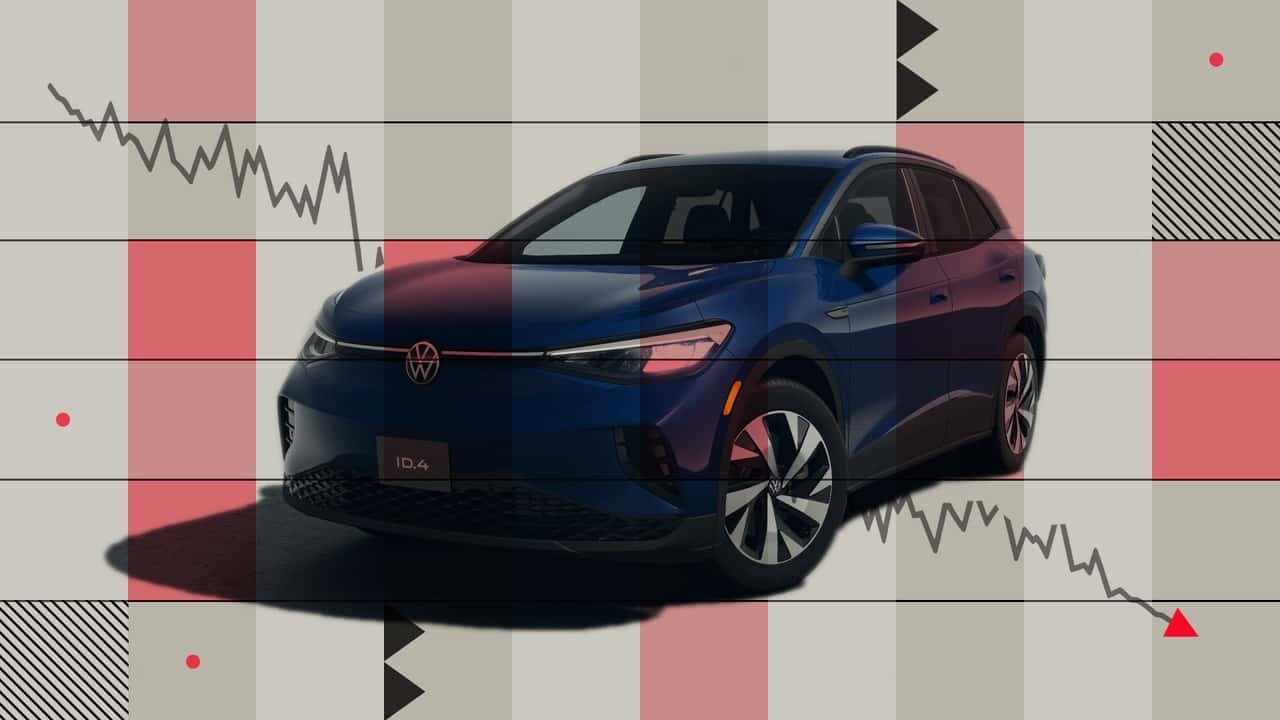
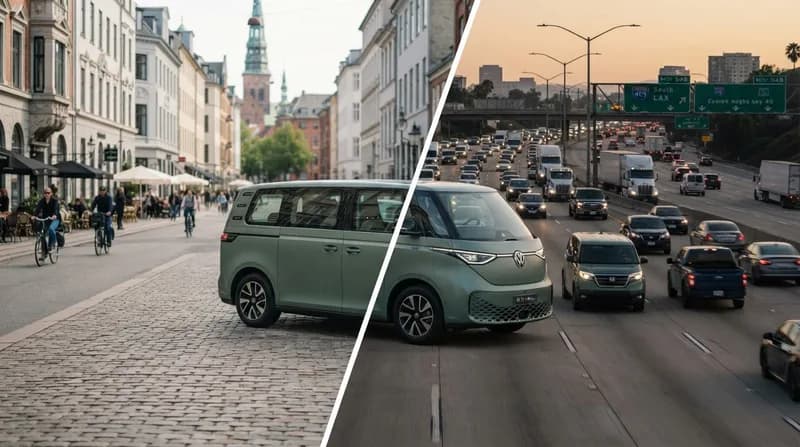
The latest sales data from the Volkswagen Group for the third quarter of 2026 paints a complex picture of the automotive giant's electrification transition. While the company recorded a robust 19.6% increase in battery-electric vehicle (BEV) deliveries across Europe, global figures indicate a slight 4.7% decline, totaling 240,200 units. This disparity underscores a strategic pivot: Volkswagen is maintaining its status as a market leader in its home territory while facing significant turbulence in international arenas, particularly the United States and China.
Overall, the Group’s total vehicle sales dropped by 14.3% in Q3, yet the relatively smaller decline in the EV segment meant that one in every eight vehicles delivered by the brand now features a fully electric powertrain. With a year-to-date electric share of 11.3%, Volkswagen is signaling that while volume is currently challenged, the internal shift toward electrification remains a central, albeit uneven, priority.
The Regional Divide
The impact of shifting policy and market competition has resulted in extreme regional variations. In the United States, Volkswagen reported an 86.4% plummet in BEV sales during Q3, a result attributed to the sunsetting of government incentive programs and the compounding pressure of import tariffs. Similarly, China saw a 30.1% contraction. These figures reflect a broader industry challenge as the Group balances its legacy manufacturing strengths with the rapid, often aggressive, price competition from local electric-first rivals.
Conversely, Europe acts as the Group's primary anchor. In the third quarter alone, 209,100 BEVs were delivered to European customers. The company notes that its order backlog in the region has ballooned by over 60%, with electric models now representing approximately 40% of future orders. This shift is being driven by high fuel prices and a broadening portfolio of entry-level electric cars.
Portfolio Performance: Brand and Model Highlights
The Group’s internal performance metrics reveal a distinct divergence between its legacy brands and its newer volume drivers. Škoda has emerged as a powerhouse, recording a 30% increase in BEV sales year-on-year, nearly closing the gap with the core Volkswagen Passenger Cars brand. Meanwhile, Porsche demonstrated resilience with a 2.5% recovery in Q3, signaling a stabilization in the luxury EV segment.
The hierarchy of best-selling BEVs has also seen movement, highlighting which models are finding success with consumers:
- Škoda Elroq: The top-performing vehicle for the Group this year, leading the charge with 92,200 units.
- Volkswagen ID.4/ID.5: Remaining a volume pillar, these models secured the second spot with 81,900 deliveries.
- Škoda Enyaq: Proving the efficacy of the Škoda platform with 72,700 units sold.
- Volkswagen ID.3: Continues to hold strong with 61,100 units.
- Audi Q6 e-tron: Ascending the rankings to fifth place with 50,400 units, demonstrating strong demand for premium electric SUVs.
Looking ahead, Volkswagen is pinning its growth hopes on the 'Electric Urban Car Family.' Models such as the ID. Polo and the Škoda Epiq are already generating significant pre-order interest, totaling nearly 150,000 requests. By diversifying its reach through both traditional BEVs and an increasing reliance on plug-in hybrids—which saw a 23% increase in the first nine months of 2026—the Volkswagen Group is attempting to insulate itself from market volatility while preparing for a long-term electric-first transition.