The Rise of Xpeng Yoyo
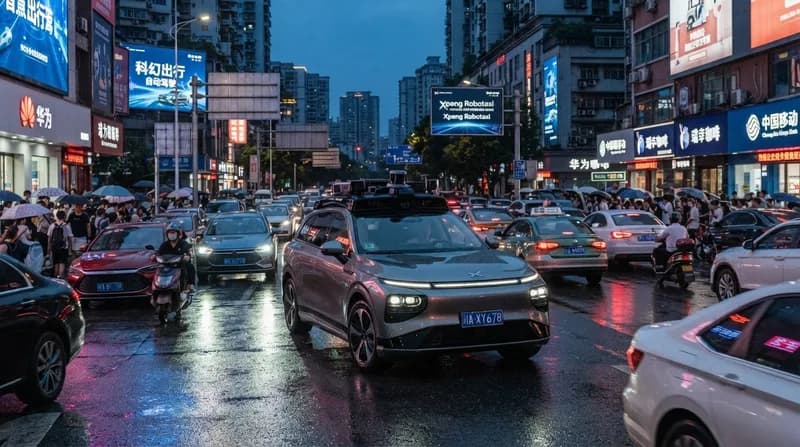
Chinese electric vehicle giant Xpeng is officially stepping into the autonomous mobility sector with the launch of its dedicated robotaxi brand, Yoyo. This move signifies a major strategic shift for the company, moving beyond the manufacturing of passenger vehicles to encompass the entire autonomous service ecosystem. Currently, the service is in its infancy, with operations restricted to specific regions of Guangzhou—the city where these advanced vehicles are produced—and accessible only to a select group of users via invitation codes.
By establishing Yoyo, Xpeng is not looking to become a traditional fleet operator. Instead, the company is adopting a lean, partner-centric business model. Xpeng will provide the proprietary hardware and autonomous driving technology, while third-party partners will manage the day-to-day operations of the robotaxi fleets. This allows the firm to generate diversified revenue streams, including hardware sales, subscription services, and commission-based fees from every ride completed, all while offloading the logistical burden of fleet management.
Technology Behind the Wheel
The core of the Yoyo fleet is built upon the technical foundation of Xpeng's flagship SUV, the GX. Designed from the ground up for Level 4 autonomous driving, these vehicles represent a bold departure from traditional sensor-heavy autonomous systems. Notably, Xpeng has opted to move away from lidar, relying instead on its proprietary Turing AI chips. These four onboard chips deliver a staggering 3,000 TOPS (tera-operations per second) of computing power, enabling the vehicle to interpret complex urban environments through vision-based processing alone.
Why It Matters
- Hardware Synergy: By decoupling the manufacturing of vehicles from the operational aspect, Xpeng can scale its footprint rapidly without the high overhead of maintaining a service fleet.
- Strategic Partnerships: Collaborations with major mobility platforms like Amap ensure that these robotaxis can be easily integrated into existing consumer apps, driving higher adoption rates.
- Path to Full Autonomy: With pilot programs already live, Xpeng has set an ambitious internal deadline for fully driverless operation, aiming to remove safety personnel from its vehicles by early 2027.
Future Implications
The rollout of the Yoyo brand is a clear signal that Xpeng intends to dominate the next era of urban transport. While the current operational radius is limited, the integration with established mobility ecosystems marks the beginning of a broader commercialization effort. The company’s ability to successfully transition to a platform-provider model will likely serve as a blueprint for other automakers looking to leverage their AI and EV hardware expertise in the competitive robotaxi market. As the pilot projects in Guangzhou gather data, the industry will be watching closely to see if Xpeng's lidar-free approach can handle the rigors of real-world, driverless city transit.