The Dawn of High-Capacity Freight Charging
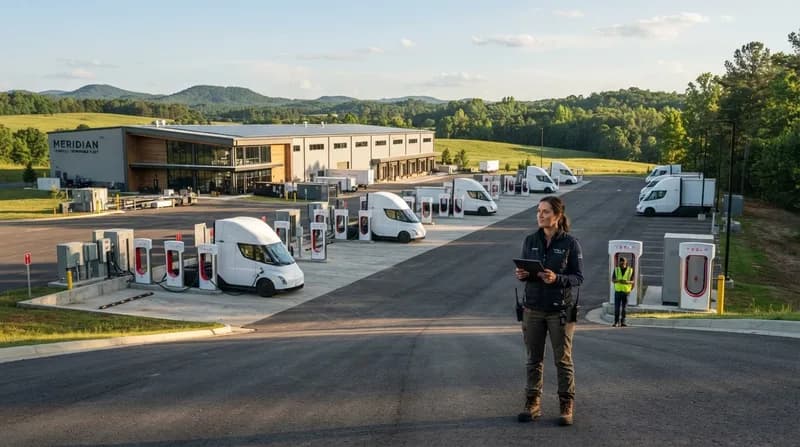
The transition to electric heavy-duty trucking hit a significant milestone this month as Pilot Travel Centers, North America’s largest operator of travel stops, officially commissioned its first set of dedicated Tesla Megachargers. Located at a Pilot facility in Ellabell, Georgia, these initial six stations represent the physical backbone of a broader strategy to electrify the continent’s busiest logistics corridors. Designed specifically for the Tesla Semi, this rollout marks a critical shift from experimental pilot programs to operational, revenue-generating commercial infrastructure.
This initiative leverages Tesla’s advanced V4 charging architecture, adapted specifically for the extreme demands of long-haul freight. Each charging point is engineered to deliver a staggering 1.2 megawatts of power, a necessity for replenishing batteries of the size required for Class 8 trucks. By integrating these high-power charging units directly into established, high-traffic rest stops, the partnership aims to provide fleet operators with the reliability and amenities that professional truck drivers have long relied on for traditional diesel refueling.
Technical Precision: Inside the 1.2 MW Megacharger
At the heart of this deployment is a modular and decentralized power system. Tesla’s approach utilizes a slim satellite charger interface paired with a centralized technical unit, or 'Powerunit.' This design choice is not merely aesthetic; it reduces the footprint of the charging station by more than 50% compared to traditional heavy-duty charging solutions, making it significantly easier to retrofit into existing truck stops like the Pilot network.
- Peak Performance: A single vehicle can draw up to 1.2 megawatts, enabling the recovery of the majority of an 800-kilometer range in approximately 30 minutes.
- Scalability: The system features intelligent power-sharing, allowing up to eight vehicles to charge simultaneously by distributing the load across the hardware.
- Cross-Compatibility: While currently exclusive to Tesla Semis, the underlying technology shares core components with Tesla’s passenger vehicle charging network, which facilitates rapid scaling and cost-effective maintenance through massive volume manufacturing.
Strategic Expansion and Market Outlook
The rollout is currently concentrated on vital transit arteries, including Interstate 5 and Interstate 10. Beyond the initial success in Georgia, Pilot and Tesla have identified target markets in California, Nevada, New Mexico, and Texas—regions that are critical to the U.S. supply chain. As Tesla ramps up its series production of the Semi, fulfilling major orders for firms like Einride and the ZET SCALE alliance, the availability of these Megachargers becomes the primary constraint and enabler for further adoption.
While the network is currently restricted to Tesla Semi customers, the trajectory mirrors the company's past deployments in the passenger car sector, where exclusive networks eventually opened to broader industry standards. For now, the focus remains on ensuring that long-haul fleet operators have the high-speed, reliable infrastructure necessary to retire diesel engines. With twelve more locations currently under construction and three nearing completion, the partnership is setting a fast pace for what promises to be the largest heavy-duty electric charging network in the United States.