The Vision of a Modern Icon
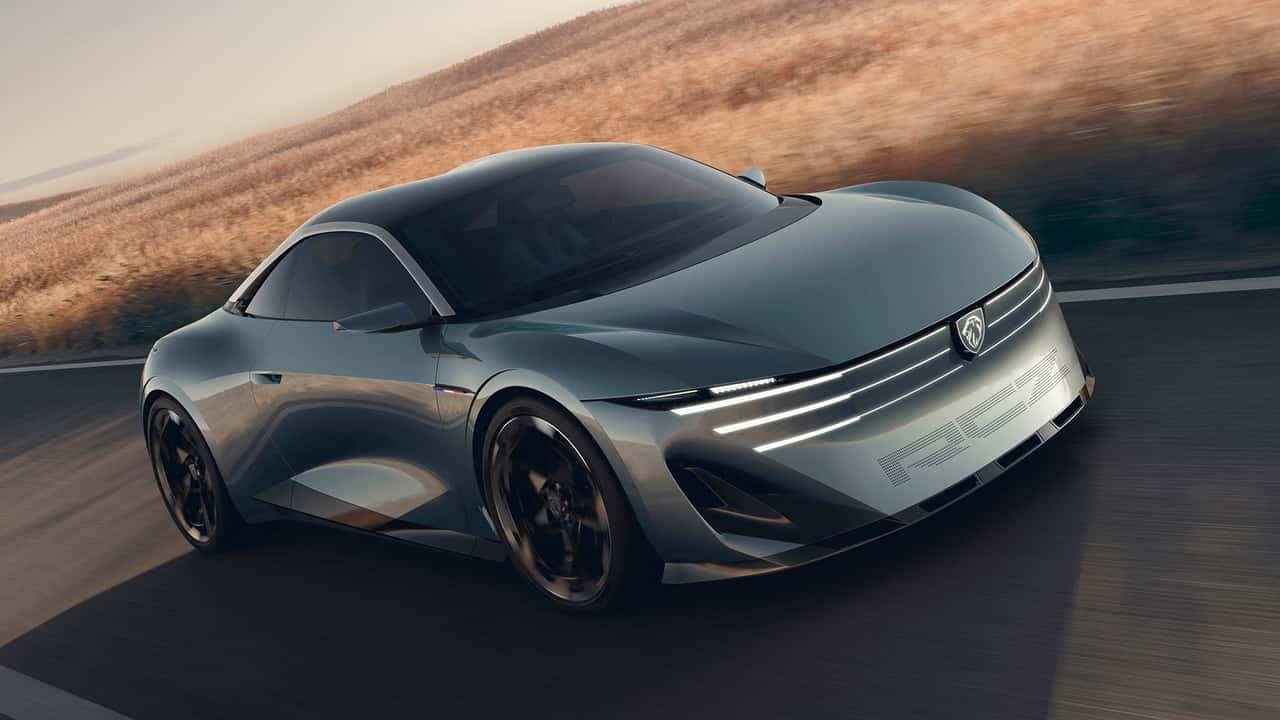
Peugeot is stirring nostalgia and innovation with the reveal of its new RCZ Vision, a concept car that reimagines the beloved coupe as a high-performance electric vehicle. While the original RCZ was celebrated for its distinct aesthetic between 2009 and 2015, this new iteration serves as a powerful statement of intent for the brand’s future design language and mechanical capabilities. The concept retains the core visual identity of its predecessor, featuring a dramatic low-slung silhouette, sculpted side profiles, and the signature double-bubble roofline that creates a seamless flow toward the rear.
Beyond its exterior, the RCZ Vision acts as a technical showcase for Peugeot's “Feline Future” design philosophy. It incorporates sharp, horizontal “three-claw” lighting signatures and an active rear spoiler that remains hidden until needed for aerodynamics. The vehicle stands on an aggressive staggered wheel setup, with 21-inch wheels at the front and 22-inch wheels at the rear, signaling a focus on performance handling and a bold stance that separates it from standard commuter EVs.
Revolutionary Battery and Performance Tech
At the heart of the RCZ Vision is a sophisticated drivetrain built on the Stellantis STLA One platform. The headline feature is the integration of a Factorial-developed solid-state battery, which provides a significant leap in energy density. This battery pack is remarkably thin, measuring just 110 millimeters in height, which is a critical factor in maintaining the car’s ultra-low coupe profile without sacrificing interior space or passenger comfort.
The vehicle utilizes a cutting-edge 1,000-volt electrical architecture, a massive jump over the industry-standard 400V or 800V systems. This high-voltage setup allows for staggering charging speeds, with Peugeot claiming a 10% to 80% charge in just 10 minutes. In terms of performance, the concept is projected to deliver 500 horsepower and an impressive range of approximately 373 miles (600 kilometers) on the WLTP cycle. Its projected efficiency is equally notable, with a target consumption of 11.5 kWh per 100 kilometers, marking a highly optimized approach to electric motoring.
The Hypersquare Cockpit
The interior of the RCZ Vision introduces the “Hypersquare,” a rectangular steering device that represents a departure from traditional circular wheels. Designed for the digital age, this control interface utilizes steer-by-wire technology, eliminating the mechanical linkage between the steering input and the front wheels. This system removes the need for large, sweeping arm movements, allowing for more precise and responsive control in a compact physical footprint.
Peugeot has confirmed that the Hypersquare interface is not just a concept novelty; it is slated for production in the upcoming electric 208 hatchback. This suggests that the radical interior design of the RCZ Vision is a blueprint for the brand’s broader cockpit transformation. While the RCZ Vision itself remains a design study without immediate plans for mass production, its arrival signals that Peugeot is moving toward a more adventurous era of electrification that prioritizes emotional design and industry-leading charging performance.