Scaling the Network: The 6,000 Port Benchmark
Electrify America has officially crossed a significant threshold in the transition to electric mobility, reaching over 6,000 high-powered direct current (DC) fast-charging ports across the United States. According to the latest data from the Department of Energy’s Alternative Fuels Data Center, the network now encompasses 6,029 individual ports distributed across 1,191 strategic locations. This milestone represents a 16% increase in port capacity over the past twelve months, a testament to the operator's commitment to densifying its footprint even as the broader EV market navigates a period of fluctuating sales growth.
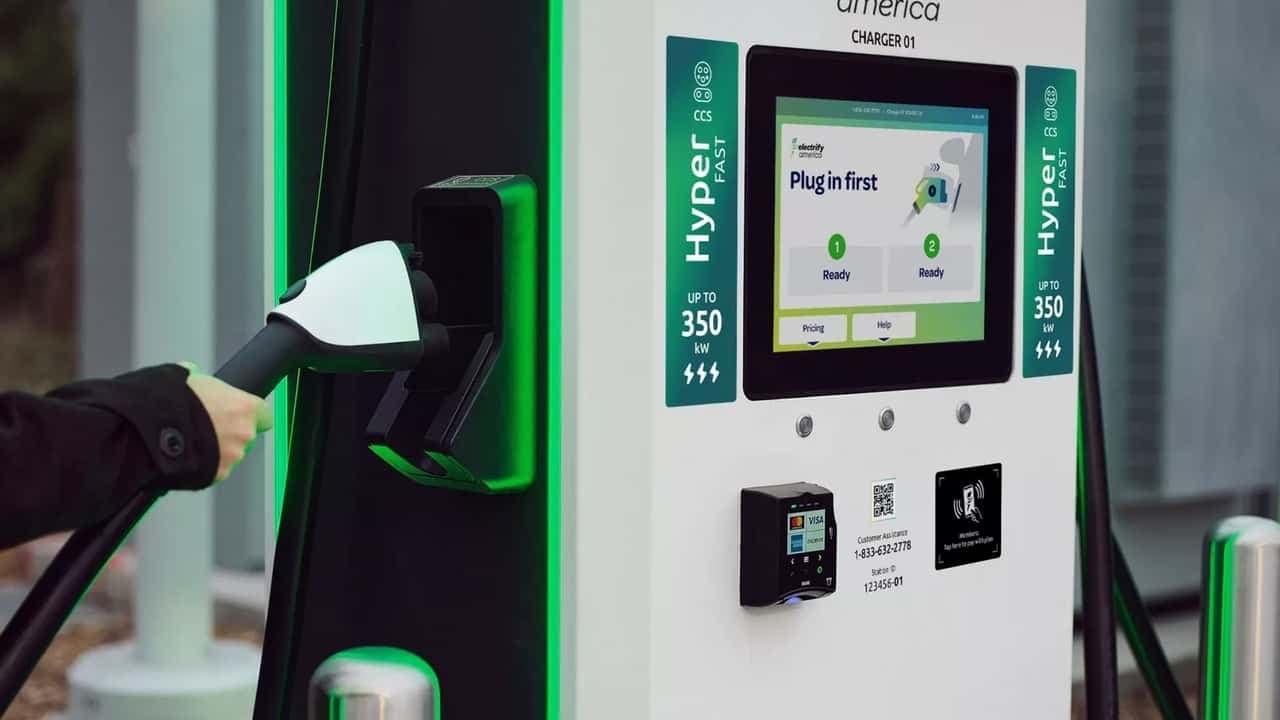
Maintaining its position as the largest non-Tesla fast-charging network in the country, Electrify America continues to focus on high-output performance. The majority of their current stall deployments are rated at 350 kW, providing the rapid charging speeds necessary to make long-distance electric travel viable for mass-market consumers. By prioritizing this high-power infrastructure, the company is ensuring that its sites remain compatible with the latest generation of vehicles capable of ultra-fast charging architectures, thereby future-proofing its physical assets.
Refining the User Experience and Billing
Beyond the physical expansion of hardware, Electrify America is simultaneously modernizing the digital interface of its charging sessions. Recognizing that customer friction at the plug is a primary deterrent for new EV adopters, the company has recently streamlined its billing process. By moving away from legacy account balance requirements and shifting to direct, automated billing, the network is prioritizing convenience and speed at the point of interaction. This shift allows users to plug in and charge without navigating cumbersome pre-funding steps, aligning the experience more closely with traditional fuel station simplicity.
The Competitive Infrastructure Landscape
While Electrify America remains the incumbent runner-up to Tesla’s ubiquitous Supercharger network, the landscape of charging infrastructure is becoming increasingly crowded and aggressive. Rivals such as ChargePoint are expanding at a rapid clip, having deployed 333 new ports in the second quarter alone, signaling a tightening gap in total market share. Furthermore, retail giants like Walmart are entering the space with significant momentum, leveraging their massive physical real estate to install dedicated charging bays. Walmart’s current roadmap, which includes thousands of 400-kilowatt stalls planned by 2030, suggests that the battle for the most convenient charging locations is only just beginning.
Why It Matters
- Infrastructure Density: As EV adoption increases, the focus has shifted from mere existence of chargers to the reliability and speed of those ports.
- Standardization: The integration of both CCS1 and NACS connectors in newer stall designs reflects the industry-wide move toward a unified charging standard.
- Market Pressure: New entrants like Walmart are forcing established players to maintain a rapid pace of deployment to protect their existing market share.
Electrify America’s 10% increase in total sites over the last year illustrates a steady, measured approach to infrastructure development. As the network balances physical growth with the technical demands of 350 kW and 400 kW high-power hardware, its ability to maintain seamless interoperability will be the deciding factor in its long-term viability against agile, well-funded competitors.