Efficiency Gains Through Speed Management
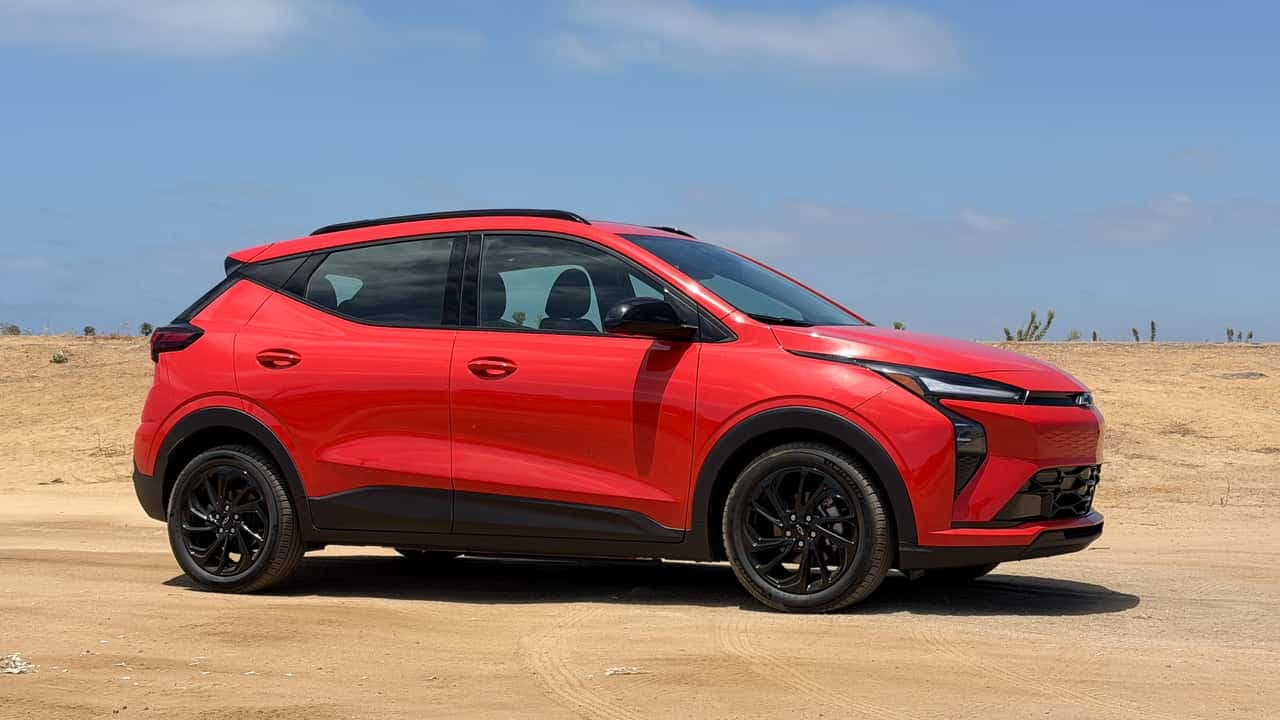
In the world of electric vehicles, the relationship between speed and energy consumption is governed by the laws of physics, specifically aerodynamic drag. A recent long-distance test of the 2027 Chevrolet Bolt demonstrates this principle in a striking way, proving that modifying driving habits can significantly alter a vehicle's range. By maintaining a steady speed of 60 mph, the Bolt was able to shatter its official highway range estimates, providing a compelling argument for the 'slow and steady' approach to road tripping.
The test, conducted under favorable weather conditions with ambient temperatures ranging between 52 and 63 degrees Fahrenheit, saw the vehicle utilize its 65 kWh lithium iron phosphate battery to its fullest potential. Using the car's built-in Super Cruise system to ensure consistent velocity, the results were definitive: the Bolt managed a total distance of 280.3 miles. This figure stands in sharp contrast to the EPA's highway range estimate of 232 miles, representing an impressive surplus of nearly 50 miles.
Comparative Performance Data
To understand the full scope of these efficiency gains, it is necessary to look at how the Bolt performs at higher highway speeds. The same testing methodology was applied at 70 mph and 80 mph, revealing a clear performance degradation as the aerodynamic load increased. At 70 mph, the total range dipped to 243.1 miles, marking a notable decrease in overall efficiency compared to the 60 mph baseline.
When the speed was increased to 80 mph, the energy consumption became even more pronounced, resulting in a total range of 219.3 miles. The following breakdown illustrates the efficiency metrics recorded during these trials:
- 60 mph: 4.1 miles per kWh, resulting in 280.3 miles of total range.
- 70 mph: 3.6 miles per kWh, resulting in 243.1 miles of total range.
- 80 mph: 3.2 miles per kWh, resulting in 219.3 miles of total range.
Why It Matters
For EV owners, range anxiety is often mitigated not just by larger batteries, but by understanding the operational efficiency of the vehicle. This data illustrates that the difference between a 60 mph and 80 mph cruise speed is not merely about arrival time; it is about substantial differences in battery-depletion rates. By opting for a lower speed, drivers can effectively add nearly 60 miles of range to their journey, which could be the difference between reaching a destination comfortably or requiring an unplanned charging stop.
Ultimately, these findings serve as a reminder that the advertised EPA range is not a rigid ceiling. In real-world scenarios, driver behavior is the single most influential variable. For those prioritize maximizing every kilowatt-hour, the 2027 Chevy Bolt demonstrates that highway efficiency is a choice, one that is rewarded with significantly extended travel windows.