Shifting Gears: The Need for Practicality
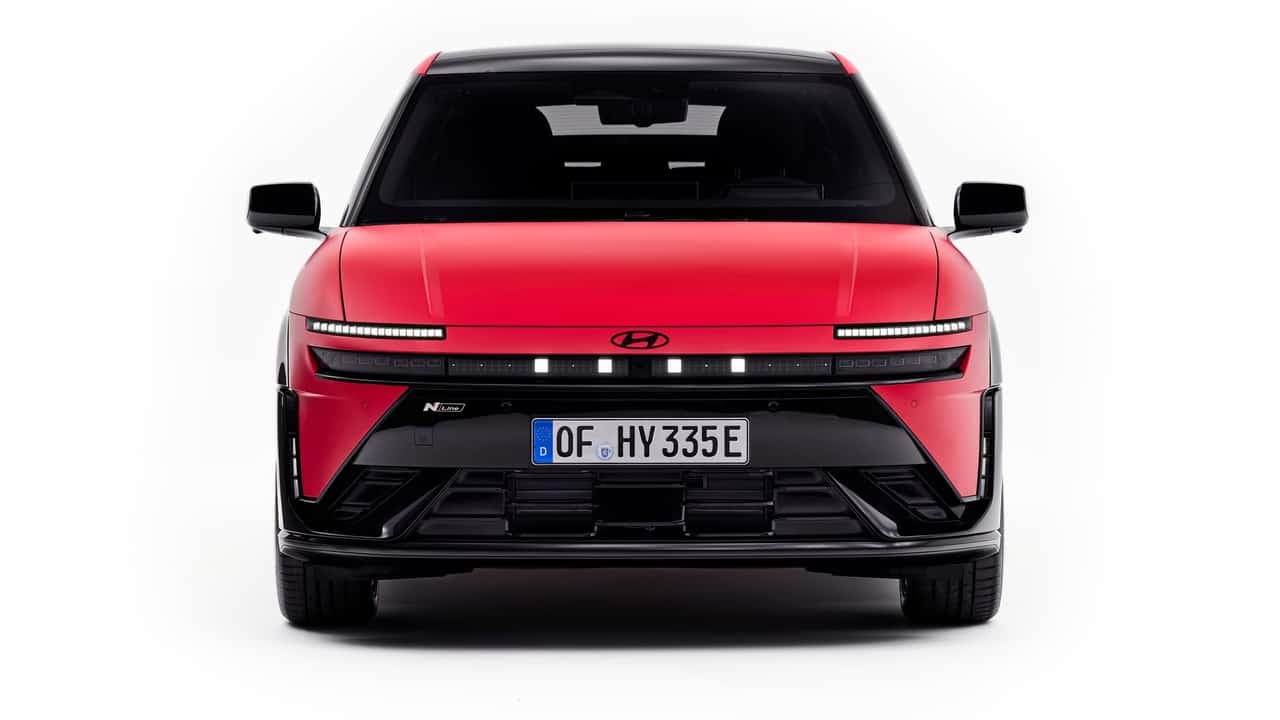
For years, Hyundai has leaned heavily into the avant-garde. From the pixelated, retro-futuristic aesthetic of the Ioniq 5 to the aerodynamic, unconventional lines of the Ioniq 6, the brand has successfully positioned its electric vehicles as design statements. However, this bold approach—while effective at turning heads—may be alienating consumers who prioritize utility, interior volume, and traditional SUV proportions. According to recent reports, Hyundai is planning a strategic pivot that embraces a more familiar, boxier design language for its next generation of electric SUVs.
This shift represents a pragmatic reaction to the current market landscape. While high-concept designs drive initial hype, long-term mass-market adoption often requires vehicles that fit seamlessly into the lives of families who need maximum cargo space and ease of entry. By introducing more conventional shapes into the Ioniq lineup, Hyundai aims to bridge the gap between its futuristic vision and the practical demands of the average car buyer.
1. The Potential Ioniq 4
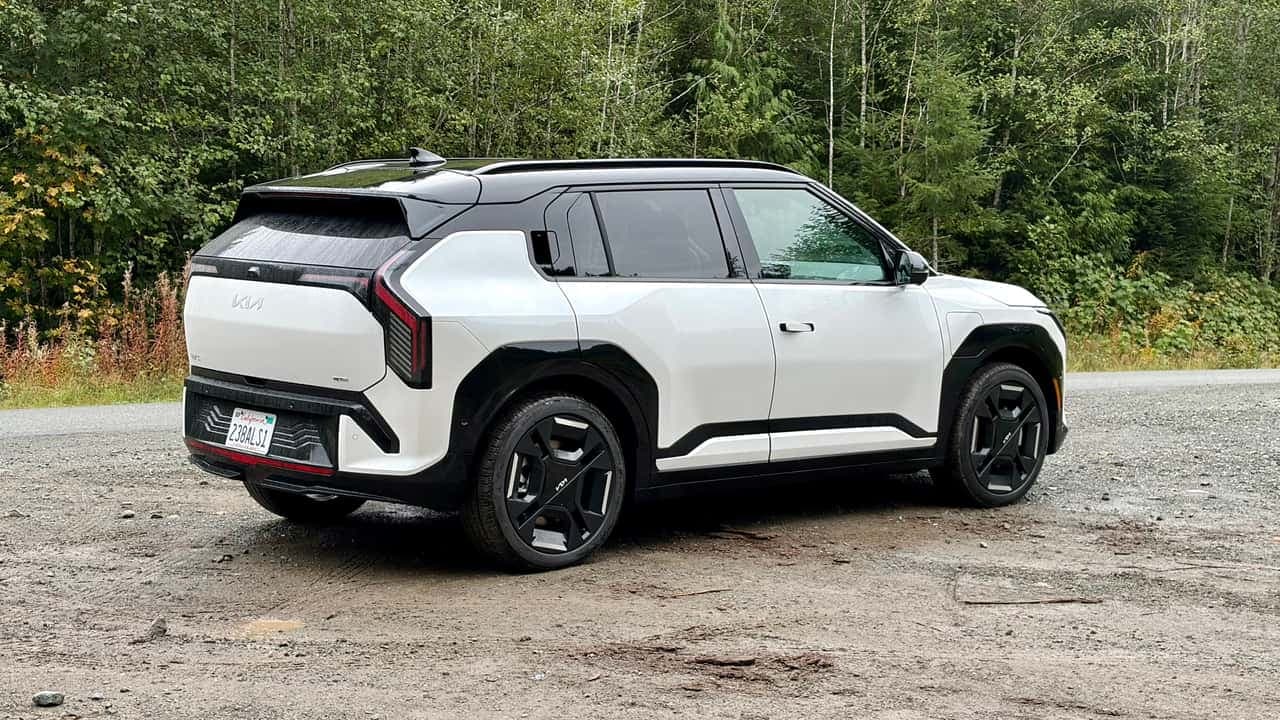
Positioned as a compact, utilitarian entry, the rumored Ioniq 4 is designed to serve as a high-value, high-volume model. Unlike the sleeker, more aerodynamic silhouettes current customers have come to expect, the Ioniq 4 is expected to feature an upright, boxy profile. This architectural change is intended to maximize vertical storage space and provide a more traditional SUV experience, directly competing with segments occupied by the likes of the Kia EV3.
Technically, the vehicle is expected to draw heavily from the established Ioniq 3 architecture. Industry analysts suggest the Ioniq 4 will likely leverage a 400-volt electrical system and offer dual-battery configurations—potentially 42-kilowatt-hour and 61-kilowatt-hour packs. By focusing on a smaller footprint that prioritizes interior efficiency over extreme styling, Hyundai hopes to offer a compelling, lower-cost entry point that makes electric ownership more accessible to the average household.
2. The Potential Ioniq 7
While the Ioniq 9 currently occupies the throne as Hyundai’s premier three-row electric hauler, it represents a substantial investment in both size and cost. The reported Ioniq 7 is intended to sit in the critical middle ground, bridging the gap between the mid-size Ioniq 5 and the massive Ioniq 9. This model will cater to families who need more space than a standard crossover provides but find a three-row behemoth unnecessary or prohibitively expensive.
Unlike the entry-level Ioniq 4, the Ioniq 7 is expected to utilize Hyundai’s more robust 800-volt architecture. This higher voltage platform will ensure faster charging speeds, which is essential for larger vehicles that are more likely to be used for long-distance family travel. By applying this high-voltage, high-performance platform to a more conventional, upright SUV body, Hyundai is creating a versatile "goldilocks" vehicle that balances the premium capabilities of its flagship models with a form factor that appeals to suburban sensibilities.
Why It Matters
- Design Diversification: It acknowledges that one-size-fits-all styling doesn't work for every consumer demographic.
- Market Competitiveness: Boxier profiles maximize interior space-to-footprint ratios, a key metric for utility-focused buyers.
- Strategic Portfolio Scaling: By filling the gaps between the Ioniq 3, 5, and 9, Hyundai can defend its market share against an increasing influx of diverse EV competitors.