The Push for High-Power Charging
California is once again setting the pace for the electric vehicle transition, announcing a new phase of its Fast Charge California Project that commits at least $28 million to the expansion of public DC fast-charging infrastructure. This initiative, managed by the California Energy Commission (CEC), is designed to tackle one of the most significant barriers to widespread EV adoption: the accessibility and reliability of high-speed, long-distance charging. By providing substantial financial subsidies, the state aims to catalyze the development of a more robust charging network that supports both current and future generations of electric vehicles.
This latest funding round operates on a first-come, first-served basis and is specifically targeted at "shovel-ready" projects. To qualify, applicants must already have secured necessary permits and finalized utility service designs. This strategy ensures that the state’s investment translates into functional hardware as quickly as possible, rather than getting tied up in the bureaucratic planning stages. The program will remain open for applications through January 14, 2027, representing a multi-year commitment to building out the backbone of California’s electrified transit future.
Incentive Tiers and Hardware Requirements
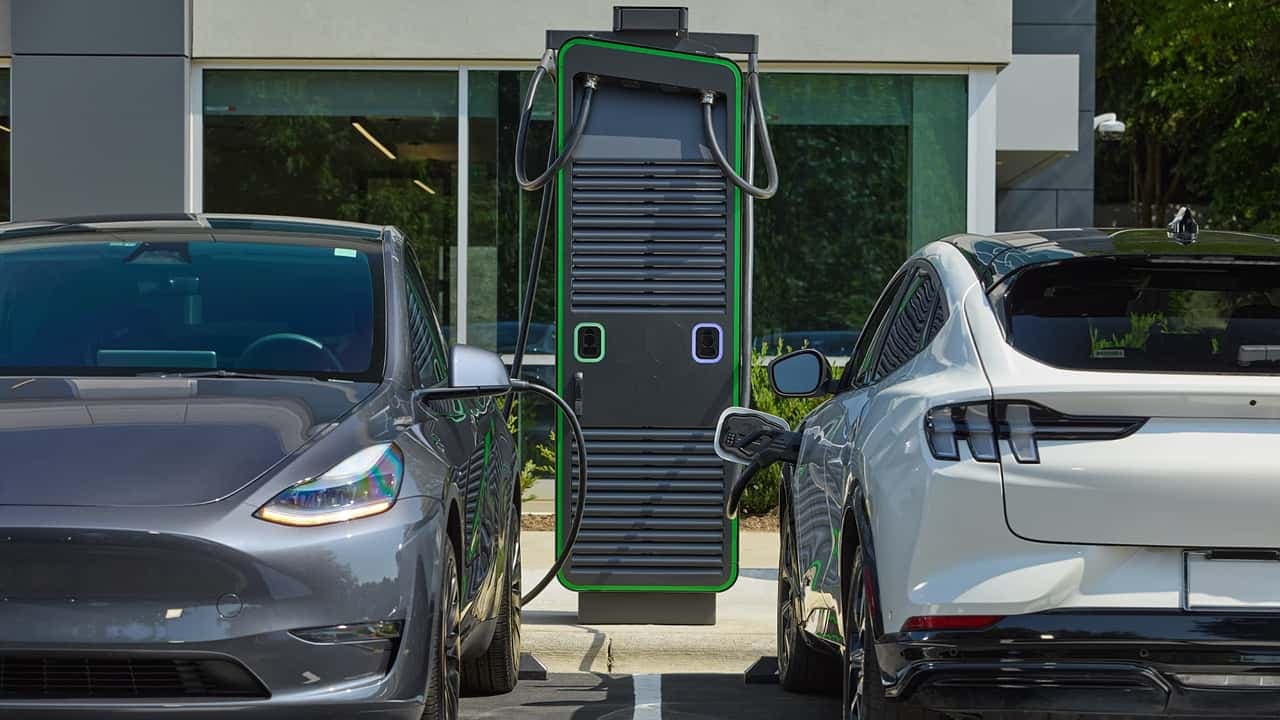
The program features a tiered incentive structure that rewards operators for installing the most capable and future-proof hardware. For stations capable of delivering between 150 kW and 274.99 kW, the state is offering up to $55,000 per charging port. For high-performance stalls capable of delivering a minimum of 275 kW, the incentive doubles to a maximum of $100,000 per port. These significant subsidies cover both the equipment costs and the labor-intensive installation process.
Technical requirements are stringent to ensure the network remains useful for the general public. Specifically, at least 50% of the connectors at any supported site must use the Combined Charging System (CCS) standard. Additionally, these sites must be publicly accessible, meaning private or restricted-access infrastructure does not qualify for the funding. By focusing on high-traffic corridors and essential public facilities, the CEC is strategically placing these funds where they will provide the highest benefit to the average driver.
Why It Matters
- Reducing Range Anxiety: By incentivizing ultra-fast 275 kW+ charging, the state is facilitating faster turnaround times, essential for long-haul travel and commuters who cannot charge at home.
- Targeted Support: The initiative explicitly prioritizes projects within low-income and disadvantaged communities, ensuring that the benefits of the EV transition are distributed equitably.
- Economic Catalyst: This project is part of the broader California Electric Vehicle Infrastructure Project (CALeVIP), which has been a pillar of American EV adoption since 2017, already supporting over 10,000 individual charger installations.
- Strategic Focus: By narrowing eligibility to public facilities and major travel routes—while excluding hotels and office parks—the state is focusing its budget on essential public-facing infrastructure.
Looking Toward the Future
This $28 million injection follows a highly successful previous round that saw the disbursement of $56.9 million, successfully funding over 1,200 high-speed charging ports. The state has already signaled that this will not be the final effort, with a third funding window scheduled to open in late February 2027. While that subsequent phase will see a cap of $55,000 per port, the cumulative effect of these overlapping programs is expected to create one of the most dense and efficient public charging networks in the world. As the number of EVs on the road continues to grow, California's proactive stance on infrastructure funding provides a clear template for other states looking to bridge the gap between initial adoption and total electrification.