A Milestone in Commercial Electrification
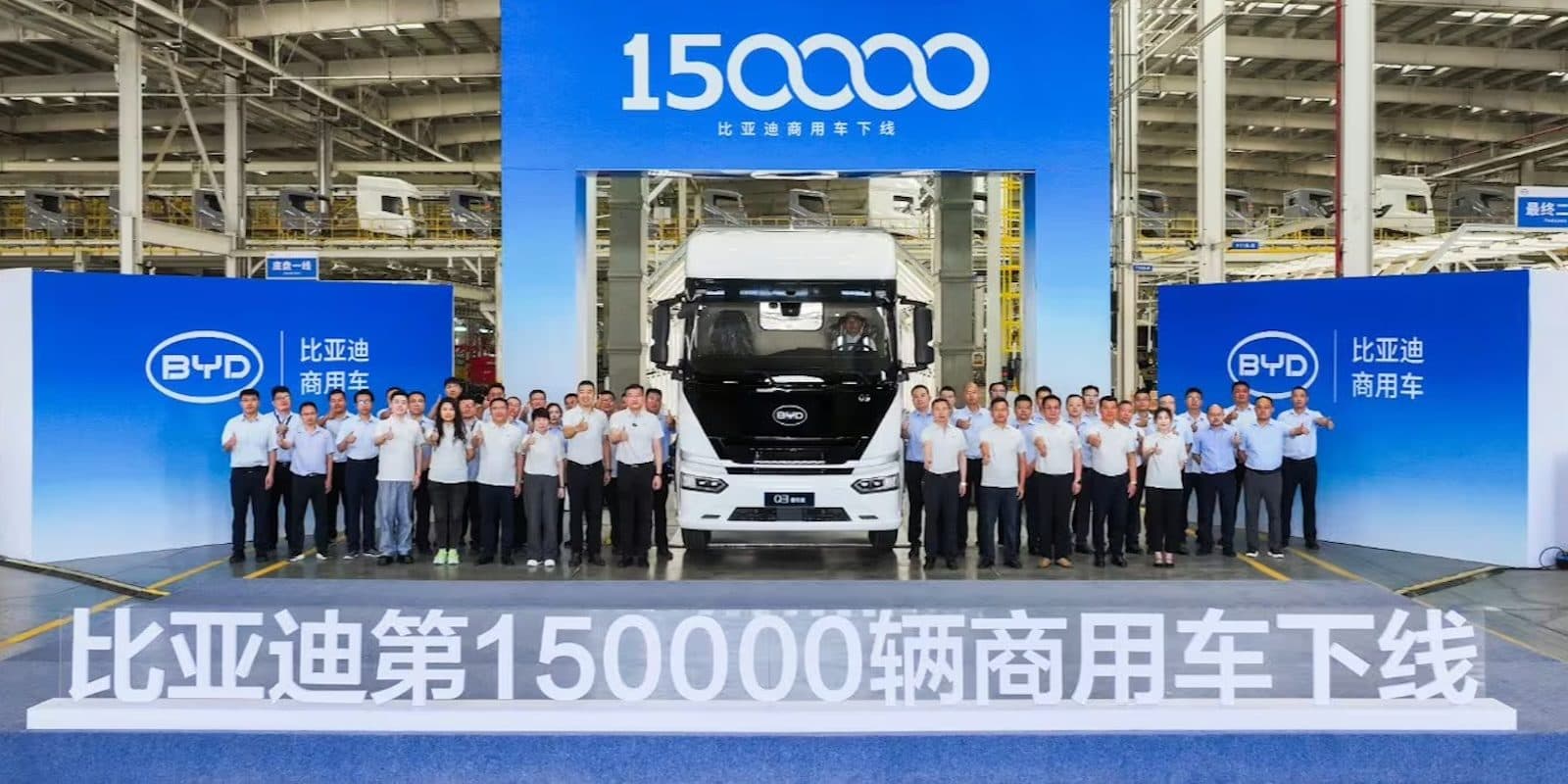
BYD has officially crossed a major industrial threshold, celebrating the production of its 150,000th commercial New Energy Vehicle (NEV). This achievement underscores the company's aggressive shift toward decarbonizing the global logistics and heavy-duty transport sectors. The milestone vehicle, a powerhouse Q3 electric semi-truck, signifies a maturation in BYD's engineering capabilities for long-haul freight applications.
The Q3 Electric Semi
The Q3 model is designed to handle demanding commercial workloads, boasting a dual-motor configuration that delivers a staggering 800 horsepower. This immense output ensures that the electric tractor can maintain consistent performance even under heavy loads, addressing common concerns regarding torque and climbing ability in electric semi-trucks. Beyond the powertrain, the vehicle utilizes BYD’s proprietary blade battery technology, which prioritizes thermal stability and efficient energy density.
Why It Matters
- Decarbonizing Logistics: Scaling commercial EV production is critical for reducing global carbon emissions from heavy shipping and logistics chains.
- Performance Parity: With 800 hp, the Q3 proves that electric heavy-duty vehicles can match or exceed the output of traditional diesel equivalents.
- Market Dominance: Producing 150,000 commercial units establishes BYD as a primary architect in the shift toward electrified transport infrastructure.
As the commercial sector faces increasing regulatory pressure to lower tailpipe emissions, the rollout of high-capacity electric semis like the Q3 provides fleet operators with a viable path toward sustainability. By integrating high-voltage architecture with a robust chassis, BYD is positioning its heavy-duty division to compete directly with legacy manufacturers who are only beginning to bridge the gap between passenger EV tech and industrial-grade freight solutions. This milestone confirms that the transition to electric heavy transport is no longer a concept, but an active, scaled reality in global supply chains.