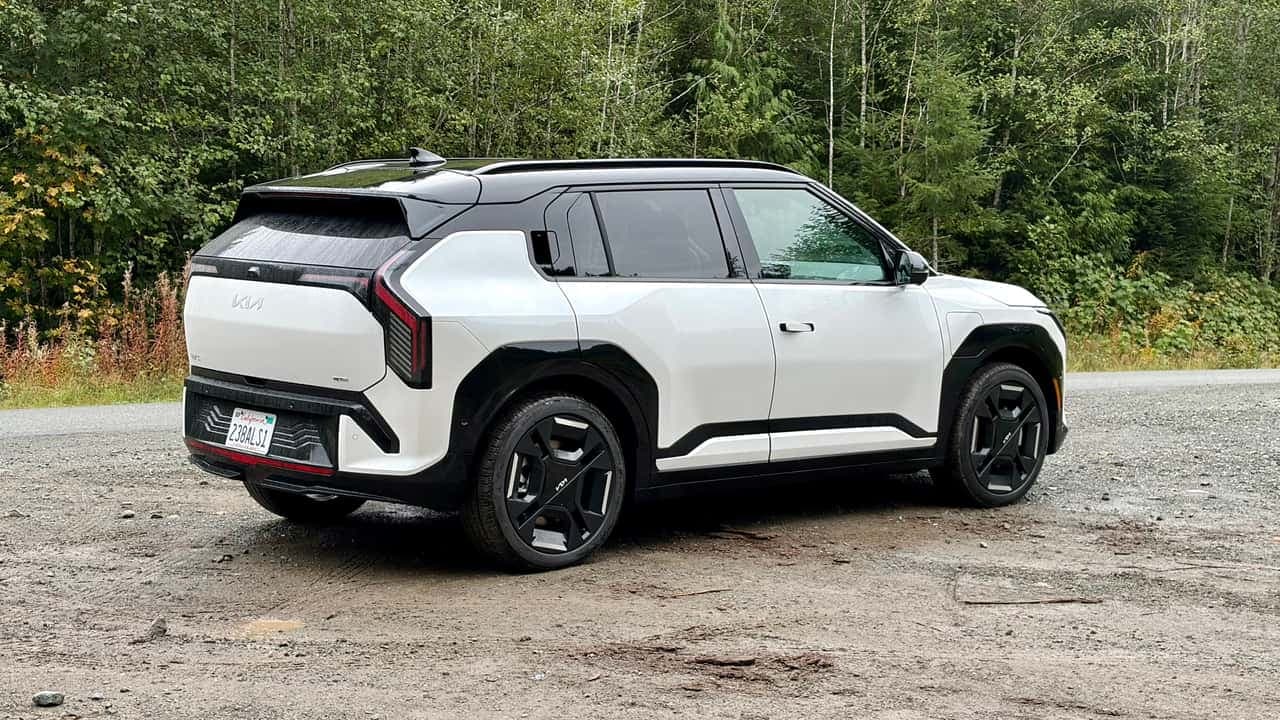
A New Strategy for the Compact Segment
For years, the promise of an affordable, sub-$30,000 electric vehicle has been the holy grail of the automotive industry. Yet, historical attempts—most notably the Chevrolet Bolt and the Nissan Leaf—have struggled to gain widespread traction in the United States. With shifting market dynamics, the expiration of federal tax credits, and a cooling appetite for smaller electric cars, many manufacturers have adopted a conservative approach. Kia, however, is charting a different course with the launch of the EV3, a vehicle the company believes will become its best-selling electric model in the American market.
Kia’s confidence stems from its success in Europe, where the EV3 quickly ascended to the top of the Hyundai Motor Group’s electric sales charts during the first half of 2026. By leveraging the design language and technical ethos of the critically acclaimed, three-row EV9, the brand is banking on the idea that American consumers are looking for a 'baby EV9' that doesn't compromise on refinement, technology, or style.
Design and Refinement Beyond the Economy Segment
One of the primary hurdles for previous compact EVs was their perception as entry-level economy cars. The EV3 aims to shatter this reputation by offering a level of interior quality and build precision that feels significantly more premium than its price point suggests. Its design is intentionally bold, featuring a boxy, muscular aesthetic that shares the distinctive 'Opposites United' design DNA found in the flagship EV9, which has already proven resilient in the current market.
Beyond aesthetics, the engineering package is designed to alleviate range anxiety while maintaining accessibility. Equipped with a high-capacity battery option, the vehicle is capable of delivering up to 321 miles of range. By merging this impressive range with a sophisticated infotainment suite and a spacious, well-appointed cabin, Kia is attempting to bridge the gap between utilitarian city cars and the premium electric crossovers that currently dominate the luxury sector.
Market Outlook and Competitive Positioning
The path forward for the EV3 is not without significant headwinds. Beyond the absence of aggressive federal tax incentives, the car enters a market currently experiencing a dip in EV demand, with many shoppers pivoting toward hybrids. Kia is responding by remaining agile, focusing its initial rollout on high-adoption regions like California, where the infrastructure and consumer appetite for electric mobility remain robust. As the company monitors sales figures, it remains prepared to scale production if the demand trajectory justifies a more aggressive push.
- Segment Target: Compact electric SUV
- Key Market Advantage: Distinctive, premium-feel design language
- Maximum Range: Up to 321 miles (Long Range variant)
- Strategic Focus: High-adoption states and entry-level accessibility
Ultimately, the EV3 represents a litmus test for the viability of the affordable electric segment in North America. If Kia succeeds in capturing the interest of budget-conscious yet style-focused drivers, it will provide a blueprint for how automakers can sustain volume in a maturing EV market. Rather than competing as a compromise, the EV3 is being positioned as a compelling, high-value alternative to the standard gas-powered crossover, marking a pivotal moment in Kia's long-term electrification strategy.