The Maextro V800: High-End Luxury Meets Basic Safety Concerns
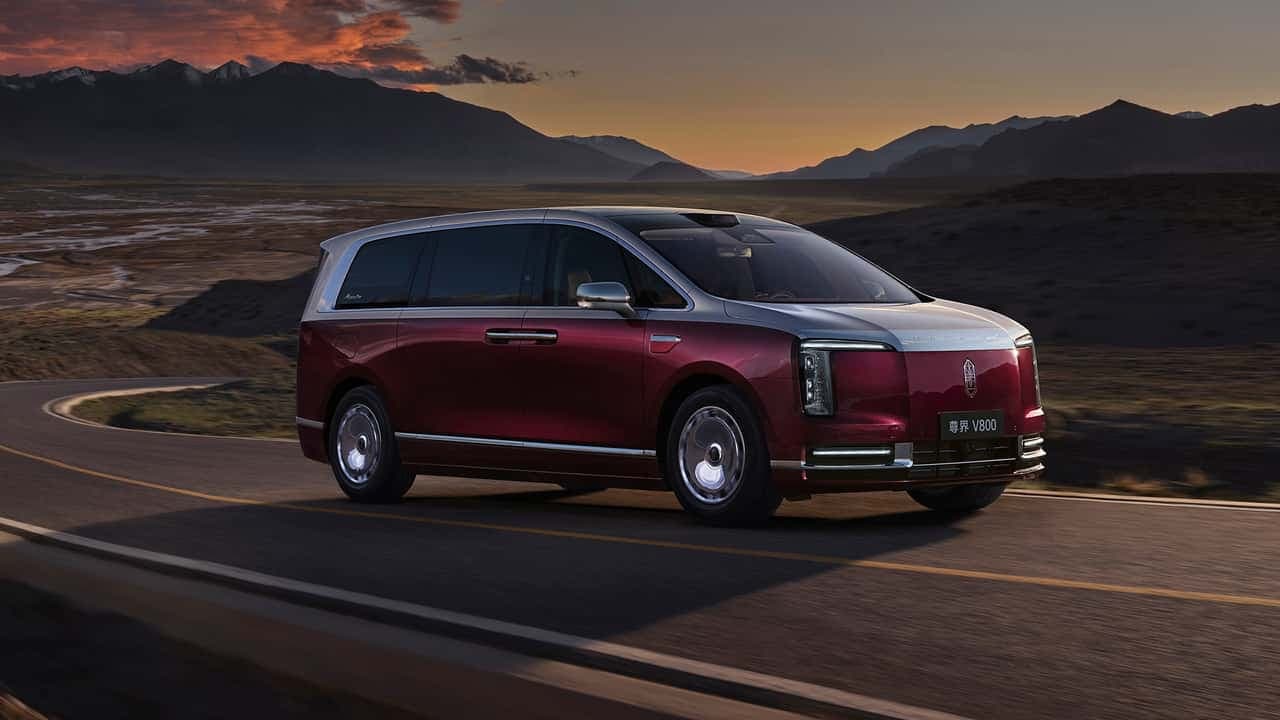
In a market where Chinese automakers are frequently lauded for delivering exceptional value, the JAC Maextro V800 positions itself as a polar opposite. With a premium price tag reaching $150,000, the V800 is designed to be a flagship luxury minivan, packed with cutting-edge technology and comfort features intended to rival the most expensive vehicles on the road. However, recent independent testing has revealed a harrowing engineering oversight that suggests high-end features cannot compensate for structural failures in critical safety components.
During rigorous emergency braking simulations conducted at speeds of 62 miles per hour (100 kilometers per hour), the V800’s brake pedal bracket demonstrated a consistent failure. Automotive journalists discovered that the mounting point—the structural element that keeps the pedal in place—cannot withstand the pressure required during an abrupt stop. While the failure occurred in multiple test vehicles, the issue specifically lies in the bracket's composition and design geometry rather than the pedal itself.
Engineering Oversights and Design Flaws
The technical investigation revealed that the bracket is constructed from a combination of polypropylene and 40% glass fiber. While such composite materials are not uncommon in modern automotive manufacturing, the implementation in the V800 has been criticized as inadequate. According to industry analysis, the component suffers from a lack of sufficient reinforcement, which is exacerbated by a relatively long pivot distance of 5.1 inches (130 millimeters). This design choice places excessive leverage and stress on the mount during hard deceleration, leading to structural fatigue and potential breakage.
Despite the high-tech nature of the vehicle—which boasts an extended-range powertrain consisting of a 65-kilowatt-hour CATL battery, a dual-motor setup producing 523 horsepower, and a gas-powered generator—the failure of such a fundamental mechanical element has sparked a debate about the prioritization of interior frills over core safety. The V800 is famously equipped with high-end amenities like a 41-speaker sound system, a 41.6-inch projector screen, and a built-in coffee maker, yet the basic act of stopping the vehicle has become a significant liability.
Why it Matters
- Quality Control vs. Feature Density: The case highlights the risks associated with rapid feature integration, where luxury tech may distract from mechanical durability.
- Transparency in Testing: Independent journalistic testing has once again proven essential for identifying safety hazards that might not be caught by standard internal manufacturer protocols.
- Manufacturer Accountability: Maextro has acknowledged the design flaw, promising to optimize the bracket and offer free upgrades to existing owners, despite maintaining that no similar failures have been reported in customer-delivered vehicles.
Outlook and Future Implications
The V800 incident serves as a stark reminder to the automotive industry that even at the highest price points, manufacturing consistency is paramount. As Maextro moves to rectify the issue with an updated design, the focus will now shift to whether these hardware recalls can effectively restore consumer confidence in the brand. For potential buyers, this scenario underscores the importance of rigorous third-party safety validation, particularly as the industry continues to integrate complex, unproven hardware configurations into luxury segments.