A Bold Leap into Electric Logistics
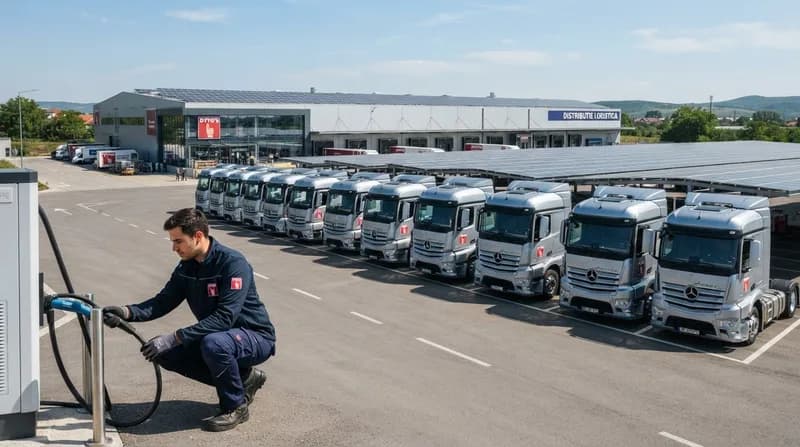
In a significant move for sustainable European logistics, Swiss retailer OTTO’S has announced the full-scale electrification of its truck fleet. The company is phasing out its internal combustion engine vehicles in favor of 22 Mercedes-Benz eActros 600 heavy-duty trucks. This transition is not merely a pilot program but a comprehensive overhaul of its distribution network, which supplies over 140 branches throughout Switzerland.
The logistics overhaul is supported by a partnership with Swiss manufacturer Lanz + Marti, which handled the complex bodywork for the fleet. Each of the 22 vehicles has been customized with specialized two-axle trailers featuring plywood box bodies, effectively creating road trains capable of handling large-volume retail deliveries. By fully committing to this electric transition, OTTO’S aims to demonstrate that large-scale commercial transport can achieve environmental sustainability without compromising the efficiency of daily supply chains.
Technical Prowess of the eActros 600
The Mercedes-Benz eActros 600 serves as the backbone of this new operation. Engineered specifically for heavy-duty long-haul transport, the vehicle is equipped with three high-capacity battery packs utilizing Lithium Iron Phosphate (LFP) technology. These packs provide a combined energy capacity of 621 kWh, which the manufacturer notes supports a range of approximately 500 kilometers on a single charge.
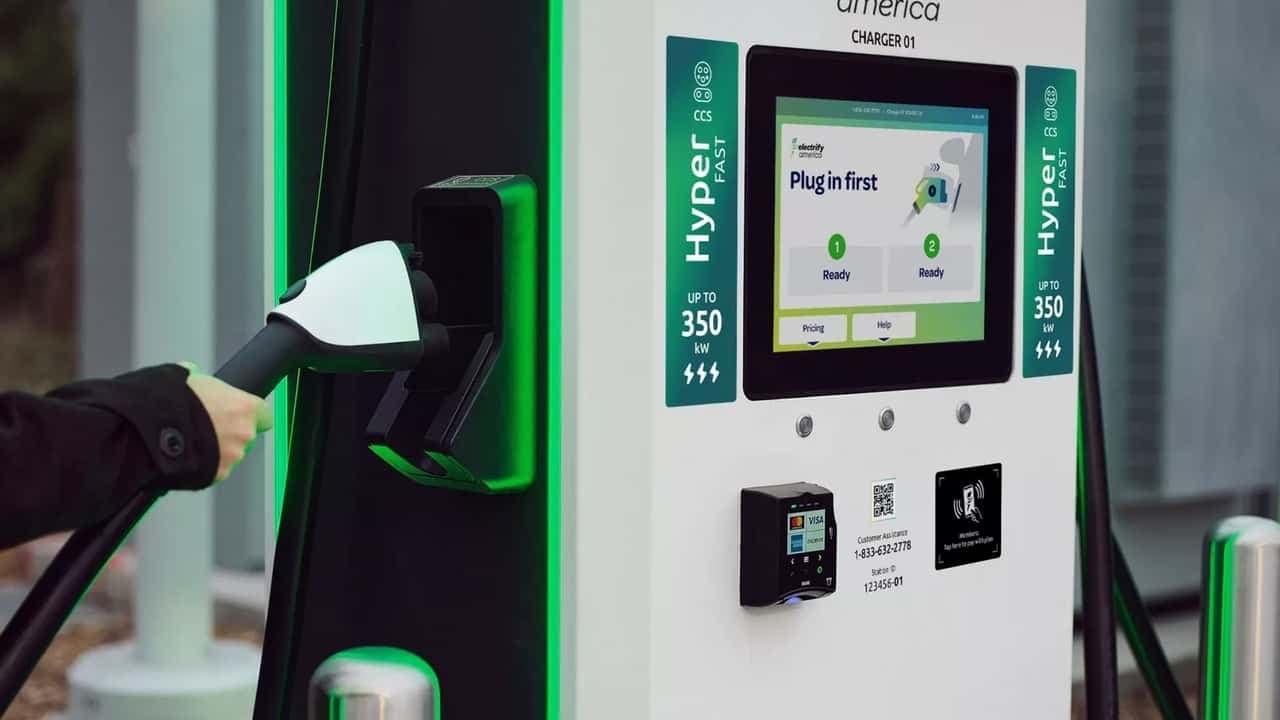
For OTTO’S, this range is a perfect match for its operational requirements. According to company CEO Mark Ineichen, roughly 80 percent of the firm's daily transport routes fit within the vehicle's effective range. Because the trucks perform two to four tours daily and frequently return to the company’s central logistics hub in Sursee, the eActros 600’s capability for quick, high-speed CCS charging at up to 400 kW allows for seamless recharging cycles between shifts.
Why It Matters
- Operational Efficiency: By aligning vehicle range with daily route demands, OTTO’S avoids the need for mid-route charging, maintaining typical delivery schedules.
- Energy Autonomy: The fleet will be primarily powered by solar energy generated from OTTO’S own rooftops, creating a closed-loop system that reduces reliance on the national grid.
- Sustainability Milestone: This deployment proves that heavy-duty electric trucks can be integrated into existing branch-logistics workflows, provided the fleet management strategy is paired with robust, localized charging infrastructure.
Harnessing Renewable Energy
A standout feature of this initiative is the tight integration between the electric fleet and onsite power generation. OTTO’S is leveraging its own photovoltaic installations at its headquarters in Sursee and across various branch locations to supply the electricity required for its chargers. This strategy effectively turns the logistics network into an energy-prosumer model, where the trucks are charged by the very sun hitting the company's warehouses.
While the company has not disclosed specific investment figures or the full timeline for the final transition, the operational shift marks a critical development in European retail logistics. By combining high-capacity, heavy-duty hardware with renewable infrastructure, OTTO’S is establishing a blueprint for how large retailers can decarbonize their supply chains while maintaining the reliability required for nationwide commercial success.