Transforming EVs into Dynamic Power Sources
In a significant move to reshape the energy landscape, the Renault Group and French energy giant Électricité de France (EDF) have unveiled a strategic partnership aimed at bringing bidirectional charging to the masses. Scheduled for launch in France by next summer, this initiative marks a pivotal shift in how electric vehicle owners interact with the national energy grid, moving beyond simple consumption to active energy participation.
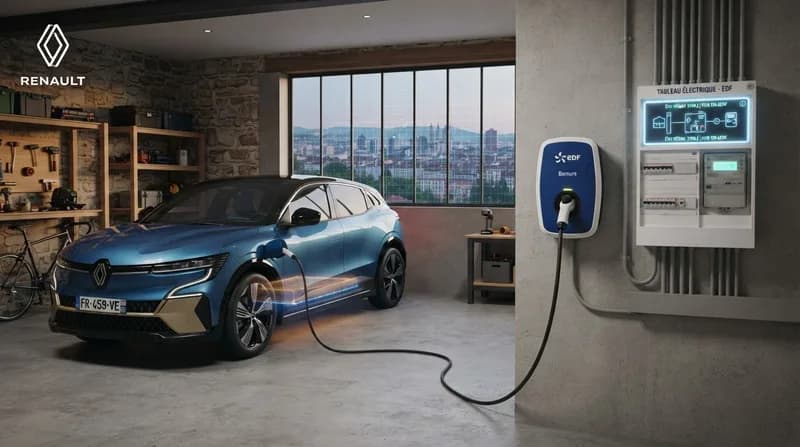
The collaboration involves key stakeholders, including EDF subsidiaries IZI by EDF and Dreev, to provide a turnkey solution for private vehicle owners. By leveraging Vehicle-to-Grid (V2G) and Vehicle-to-Home (V2H) technologies, Renault aims to transform its fleet—spanning the Renault, Alpine, and Dacia brands—into mobile batteries that can support both domestic energy needs and the stability of the public electrical grid.
A Complete Ecosystem for Consumers
The offering is designed as an end-to-end package available directly through Renault’s dealer network. By simplifying the technical hurdles associated with bidirectional power transfer, the partners intend to remove common barriers for new EV adopters. The program centers on three foundational pillars designed to maximize the utility of the vehicle’s battery.
First, the service includes the streamlined distribution and installation of advanced bidirectional wallboxes, handled by IZI by EDF. Second, the system integrates sophisticated, intelligent charge management software designed to optimize the charging cycle based on electricity pricing and grid demand. Finally, the partnership introduces services that allow energy stored in the vehicle to be diverted back to the household during peak hours or exported to the grid, effectively allowing owners to monetize their vehicle’s capacity.
Why it Matters
- Grid Resilience: By utilizing thousands of idle EV batteries, the grid can better manage peak loads, reducing reliance on fossil-fuel-based peaker plants.
- Economic Incentives: Vehicle owners gain the ability to charge when electricity is cheap and potentially sell energy back during high-demand periods, directly impacting cost of ownership.
- Energy Sovereignty: This alliance reinforces France’s focus on low-carbon mobility by creating a localized, circular energy economy that links transportation directly to utility management.
Strategic Outlook and Market Integration
This initiative builds upon the existing technological foundation of EDF’s subsidiary, Dreev, which has already successfully deployed smart charging solutions to over 100,000 customers across Europe. By marrying Renault’s automotive reach with EDF’s extensive energy infrastructure, the two companies are positioning themselves to lead the transition toward a more decentralized and flexible power network.
For the consumer, the promise is a more affordable and sustainable ownership experience. As EVs become standard, the ability to act as a "prosumer"—both consuming and producing electricity—is expected to become a critical selling point. This partnership not only addresses the immediate energy needs of French drivers but also sets a benchmark for automotive manufacturers globally as they look to integrate their products into the broader smart-city energy architecture.