A New Identity for European Roads
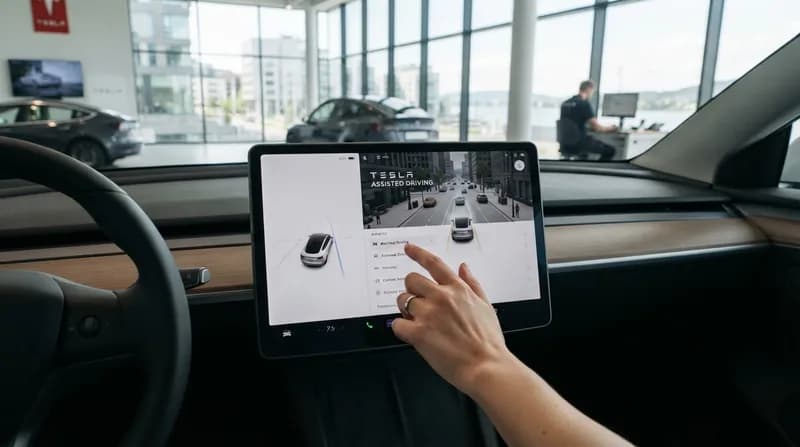
Tesla is making significant adjustments to its software branding in Europe, transitioning from the long-standing "Full Self-Driving (Supervised)" moniker to the more descriptive "Tesla Assisted Driving." This rebranding effort follows intense pressure from European regulators who have long argued that the original branding was potentially misleading, suggesting a level of autonomy that does not align with current driver-assistance technology.
The change, which has already been implemented on Tesla websites across Germany and other European nations, reflects a compromise between the American automaker and key government officials. By clarifying that the system functions primarily as an aid to the driver—rather than a total replacement for human attention—Tesla hopes to align its marketing with the functional reality that the driver must remain in control of the vehicle at all times.
The Road to EU-Wide Approval
Securing a broader regulatory footprint is critical for Tesla’s growth in Europe. Currently, the company relies on a patchwork of provisional approvals issued under Article 39 of EU Regulation 2018/858. While countries like the Netherlands, Denmark, Belgium, and others have recognized the initial Dutch approval, a formal, EU-wide consensus is required to streamline operations across all 27 member states.
Germany’s role in this process cannot be overstated. As the largest member state, its support is essential for achieving the "qualified majority" needed for the system's widespread adoption. German Federal Minister of Transport Steffen Bilger confirmed that the government has held constructive dialogues with Tesla, resulting in the agreement to rename the system. Bilger now intends to advocate for the system’s approval, viewing the transition to the more accurate "Tesla Assisted Driving" label as a necessary step to address liability concerns and clarify the technical limitations of the software.
Why It Matters
- Regulatory Clarity: By shifting away from "Full Self-Driving," Tesla acknowledges the legal requirements that mandate active human supervision, effectively lowering the barrier for skeptics in the European Commission.
- Strategic Pivot: The move signals Tesla’s willingness to adapt its marketing strategy to appease localized regulatory bodies, prioritizing market penetration in Europe over brand uniformity.
- The Germany Factor: Securing the backing of the German government is the "keystone" move that could encourage other hesitant nations, such as France, to re-evaluate their stance on Tesla’s software suite.
Outlook and Implications
The upcoming vote by the EU’s Technical Committee on Motor Vehicles (TCMV), now anticipated in December, serves as the next major hurdle for Tesla. While the renaming gesture has successfully removed a primary obstacle in Germany, the company still faces the challenge of building a consensus among the remaining EU states. If successful, this shift could standardize the availability of advanced driver assistance features, bringing consistency to the driving experience for Tesla owners across the continent and potentially setting a new global standard for how autonomous features are marketed to consumers.