The Current State of Volkswagen’s U.S. EV Portfolio
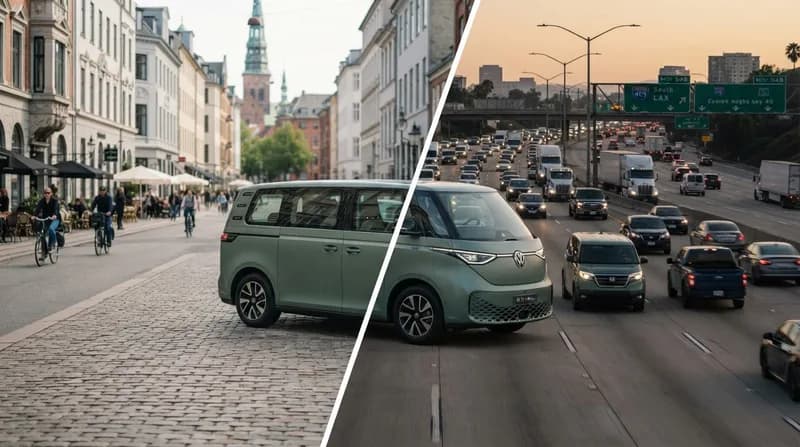
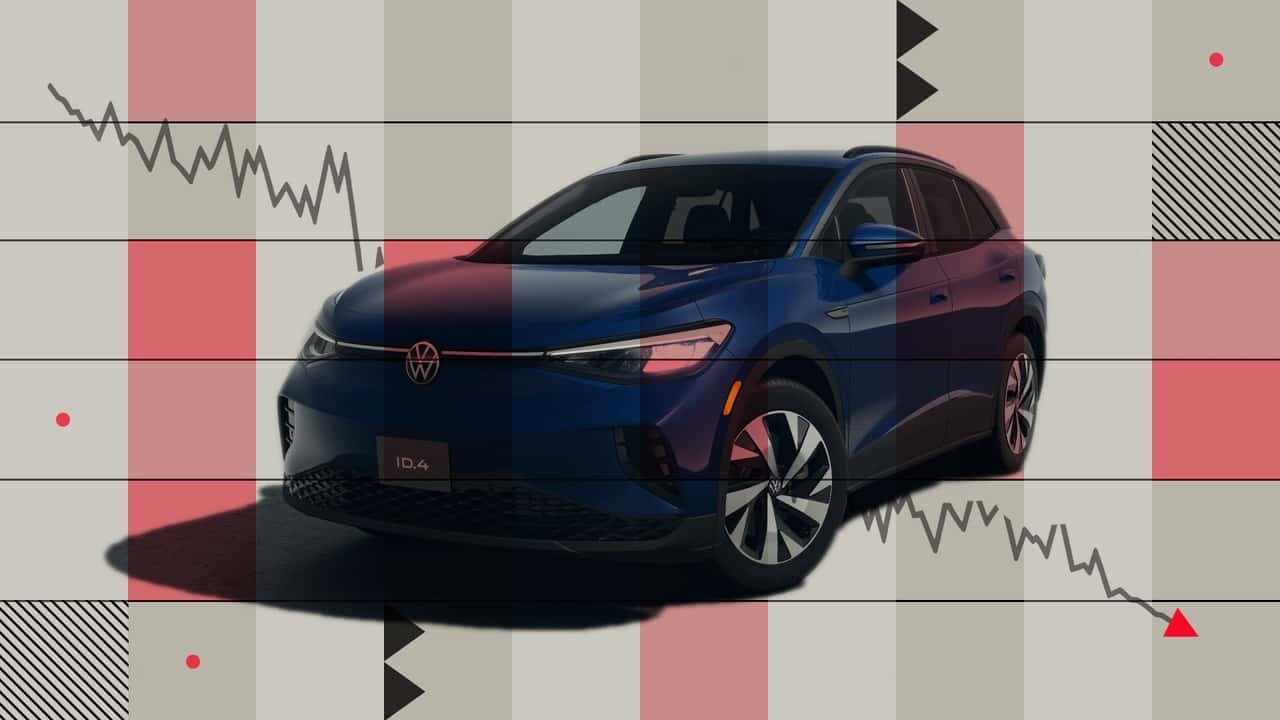
Volkswagen is currently navigating a challenging period in the United States electric vehicle market. Recent financial reports for the third quarter reveal a staggering 90% decline in EV sales compared to the same period last year, marking one of the most significant downturns for any major automaker in the current landscape. This contraction has left the company in a temporary vacuum, as it relies almost exclusively on existing inventory of its aging ID.4 crossover and the premium ID. Buzz minivan while awaiting the arrival of next-generation hardware.
The root of this shortfall is largely structural. With the U.S.-spec ID.4 having concluded production in April to clear factory capacity in Chattanooga for more profitable internal combustion engine vehicles, the brand has been forced to subsist on dwindling stock. This, combined with a limited supply of imported ID. Buzz units, has created a narrow window where the brand's competitive footprint in the EV segment has effectively shrunk.
The ID.4 and ID. Buzz Performance Metrics
The numbers behind the decline tell a story of a brand in transition. During the third quarter, Volkswagen moved only 989 units of the ID.4, representing a massive 92.1% drop from the 12,470 units sold during the same period in 2025. This downturn is attributed to the cessation of local production and the subsequent reliance on remaining dealer lots. To combat this, the company implemented aggressive discounting strategies, with price cuts reaching as high as $12,500, but these efforts have yet to fully offset the lack of fresh, incoming supply.
Meanwhile, the ID. Buzz—a vehicle that serves as a lifestyle centerpiece for the brand—has faced its own hurdles. Sales for the minivan totaled just 432 units, an 82.5% decrease compared to the previous year. With a starting price tag of $61,545 and a range limited to 234 miles, the ID. Buzz has struggled to find its footing among price-sensitive consumers in a volatile economic climate. Despite its nostalgic appeal, the current high cost-to-range ratio has limited its mass-market penetration.
The Path Forward: The ID. Tiguan and Future Outlook
Volkswagen is pinning its recovery on the upcoming ID. Tiguan, a vehicle designed to address the shortcomings of the outgoing ID.4. This new electric crossover is expected to introduce a significant leap in interior design, including more tactile physical controls and a dedicated passenger-side screen. Critically, it will also feature a front trunk—a popular utility feature missing from many current Volkswagen offerings—which should enhance its practical appeal to American families.
Looking beyond the immediate future, Volkswagen has already signaled updates for the ID. Buzz, scheduled for the 2028 model year. These anticipated upgrades will focus on the adoption of the North American Charging Standard (NACS) port, refined software capabilities, and an expanded color palette to broaden its aesthetic appeal. By shifting its strategy to prioritize more feature-rich and technologically advanced vehicles, Volkswagen aims to bridge the current gap and regain its momentum in the competitive American electric mobility market.
Why it Matters: The Transition Gap
- Manufacturing Realignment: The pause in ID.4 production highlights the difficulties of balancing internal combustion production with electric vehicle goals in shared manufacturing facilities.
- Range and Pricing: The current market requires competitive price-to-range ratios; as seen with the ID. Buzz, high price points without long-range performance are difficult to justify in the current economy.
- Technological Refresh: The move toward native NACS ports and improved software signifies a shift toward prioritizing consumer ease-of-use and infrastructure compatibility.