Design Language and Aesthetic Theater
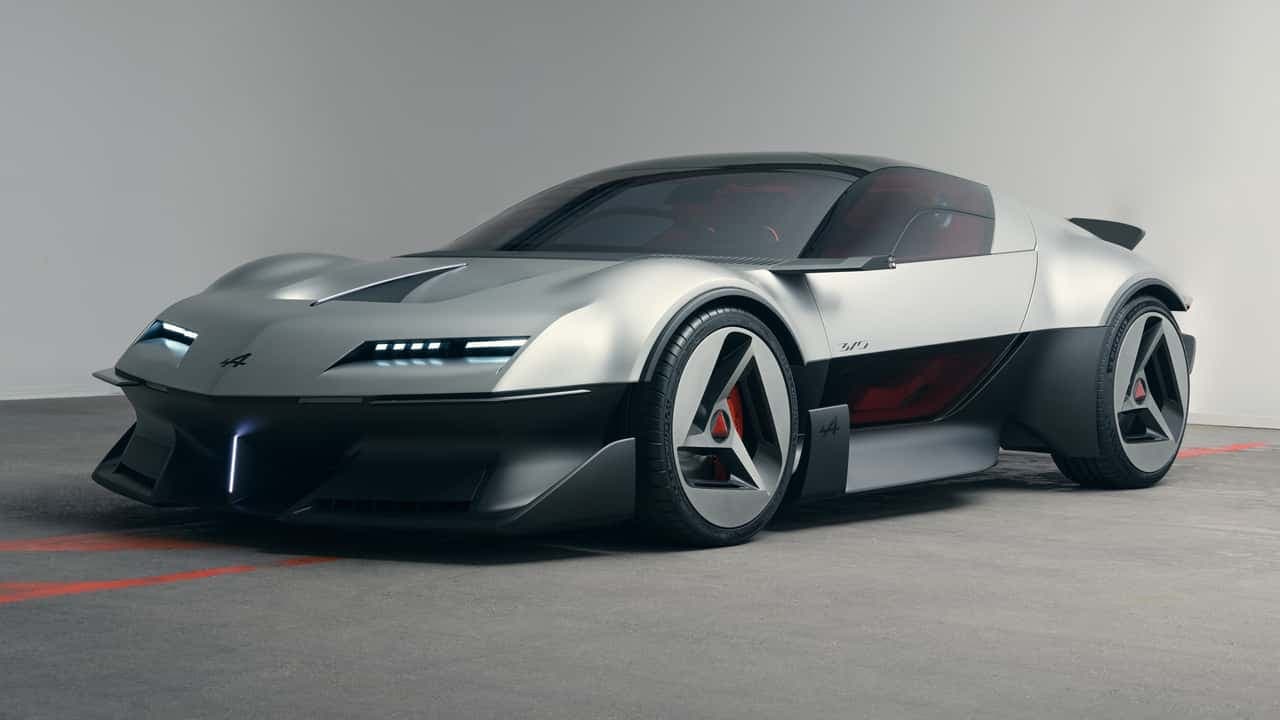
Alpine has officially taken the wraps off its A310 Vision, a concept car that captures the essence of the classic 1971 rear-engined sports car while pushing the boundaries of modern electric design. Rather than chasing the typical industry trend of aggressive, four-digit horsepower figures, Alpine has positioned this vehicle as a pure design study that prioritizes character and visual storytelling. The silhouette is defined by an impossibly low profile and a bubble-like canopy, echoing the wedge shapes that dominated the automotive landscape of the 1970s. Measuring 179.1 inches in length and sitting at just 46.5 inches tall, the concept manages to appear significantly more muscular than its ancestor, adding substantial width that gives it a modern, planted stance.
Perhaps the most charming feature is the innovative lighting solution. Eschewing traditional pop-up headlights, which are largely prohibited by modern safety regulations, the A310 Vision utilizes a unique "pop-down" mechanism. The headlights reveal themselves only once the vehicle is powered on, providing a sense of theatrical engagement that is often missing from silent electric vehicles. This marriage of retro-inspired geometry and modern mechanical flair emphasizes Alpine’s commitment to making the electric driving experience feel like an event, rather than just a utilitarian commute.
Engineering the Performance Platform
Under the skin of the A310 Vision lies the Alpine Performance Platform (APP), the same 800-volt architecture destined to underpin the forthcoming electric A110. While the concept is currently a design exercise, it provides a clear window into the technical capabilities of future Alpine models. The structural integrity is built around an aluminum chassis, utilizing a blend of bonding and riveting techniques to maintain rigidity while keeping weight manageable. The battery configuration is specifically designed to accommodate the vehicle's low-slung silhouette, split into packs that optimize weight distribution to a near-ideal 40:60 front-to-rear ratio.
Dynamic agility is central to the APP’s philosophy. The setup features dual motors mounted on the rear axle, integrated with advanced active torque vectoring software. This system, which recalculates output every 10 milliseconds, is engineered to manage power delivery with surgical precision, allowing for enhanced cornering grip or deliberate, controlled oversteer when desired. While the company has kept specific output numbers under wraps, the platform’s focus on balance and electronic control suggests that Alpine is prioritizing cornering dynamics and "fun factor" over simple straight-line acceleration.
Why It Matters
The A310 Vision serves as a pivotal bridge for Alpine's long-term product strategy. By utilizing the modular APP framework, Alpine is standardizing its technology to ensure high-performance capabilities across its future lineup. This platform flexibility is crucial for the brand's goal of expanding its footprint, including a much-anticipated entry into the United States market. Although the A310 Vision is explicitly a design study rather than a production-ready preview, it highlights the technical components—such as 800-volt charging and dual-motor rear-wheel-drive configurations—that will define the brand's pivot to full electrification. For enthusiasts, the concept represents a clear signal: the era of electric sports cars from Alpine will not sacrifice the visceral, emotional connection that once defined the brand’s legacy.