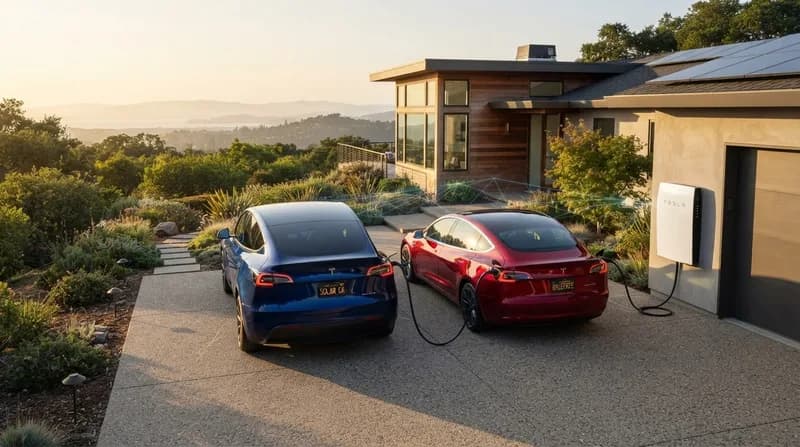
Turning EVs into Emergency Generators
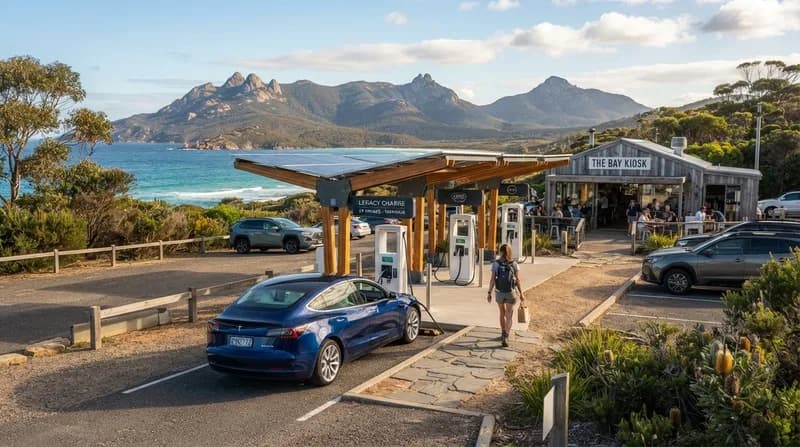
Tesla is significantly expanding the utility of its fleet by rolling out its Powershare Home Backup functionality to the Model 3 and Model Y. Previously restricted to the angular, specialized architecture of the Cybertruck, this update transforms the automaker's volume-selling passenger vehicles into massive, mobile energy storage units capable of powering a residence during unexpected grid failures.
How the Technology Functions
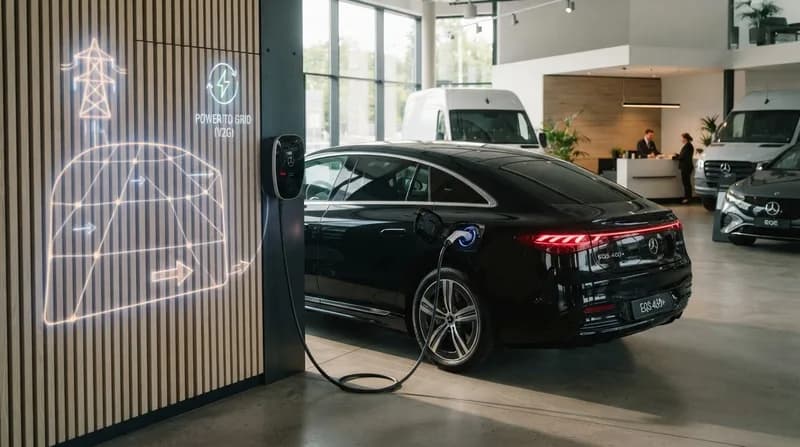
The system leverages bidirectional charging, a sophisticated hardware capability that allows energy to flow out of the vehicle’s high-voltage battery pack and back into the home’s electrical panel. By connecting the vehicle to the Tesla Universal Wall Connector and integrating the necessary Gateway equipment, users can tap into their car’s stored energy to keep lights, appliances, and essential electronics running when the main utility grid goes dark.
Why It Matters
- Grid Independence: Reduces reliance on traditional emergency generators and noisy fuel-based backup systems.
- Asset Utilization: Maximizes the investment in the vehicle by repurposing the battery for residential energy security.
- Fleet-Wide Scaling: Moving this feature beyond the niche Cybertruck to the Model 3 and Y brings V2H (Vehicle-to-Home) tech to a massive demographic.
Strategic Outlook
This rollout signifies a major shift in how Tesla views its vehicles. By positioning the Model 3 and Model Y as critical components of a home energy ecosystem, the company is bridging the gap between automotive transit and residential power management. While this update requires specific hardware installations to manage the power transfer safely, the potential to integrate these millions of vehicles into virtual power plants could fundamentally change how energy is distributed and consumed in residential areas during peak demand or extreme weather events.