Scaling the Electric Fleet
The BMW Group has reported a notable uptick in its transition to pure electric mobility, successfully delivering 110,257 battery-electric vehicles (BEVs) during the third quarter of 2026. This performance underscores a 7.2 percent increase compared to the same period in the previous year, signaling a strengthening consumer demand for the brand's expanding EV lineup.
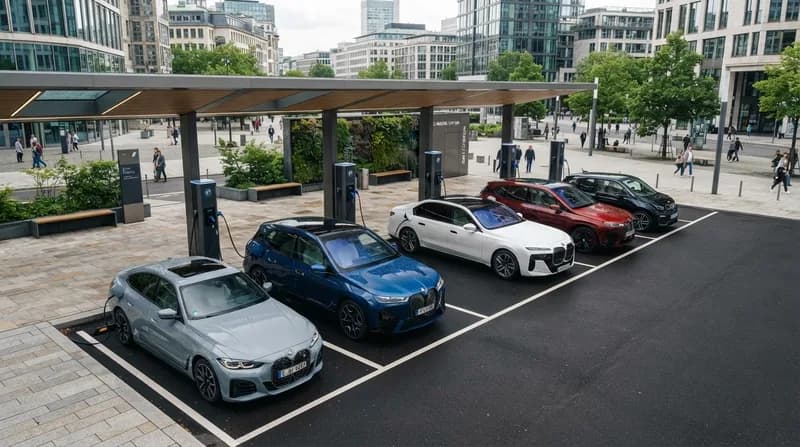
Regional growth played a pivotal role in these results, with Europe and the German domestic market serving as the primary engines for this surge. As BMW continues to refine its charging infrastructure and vehicle software integration, the company is successfully converting its traditional loyalist base into the electric era.
Key Takeaways from the Q3 Report
- Global Growth: Total BEV deliveries hit 110,257 units worldwide.
- Year-over-Year Shift: A solid 7.2 percent increase indicates positive market momentum despite broader economic headwinds.
- Regional Strength: Robust performance concentrated within European borders and the German home market.
Why It Matters
While the third quarter paints a picture of healthy growth, the broader financial year reveals a more complex reality. For the first nine months of 2026, the company’s aggregate electric vehicle balance sheet remains in a slight deficit compared to historical targets. This nuance highlights the ongoing transition challenges faced by legacy automakers as they pivot production capacities away from internal combustion engines.
The Road Ahead
Looking toward the final months of 2026, BMW is focusing on sustaining this quarterly momentum to offset the earlier year-to-date lag. By leveraging modular platforms and prioritizing high-demand regions, the manufacturer aims to balance its portfolio and finish the year on a stronger, more sustainable growth trajectory, proving that the commitment to a full electric pivot remains central to their long-term operational strategy.