A New Industrial Paradigm
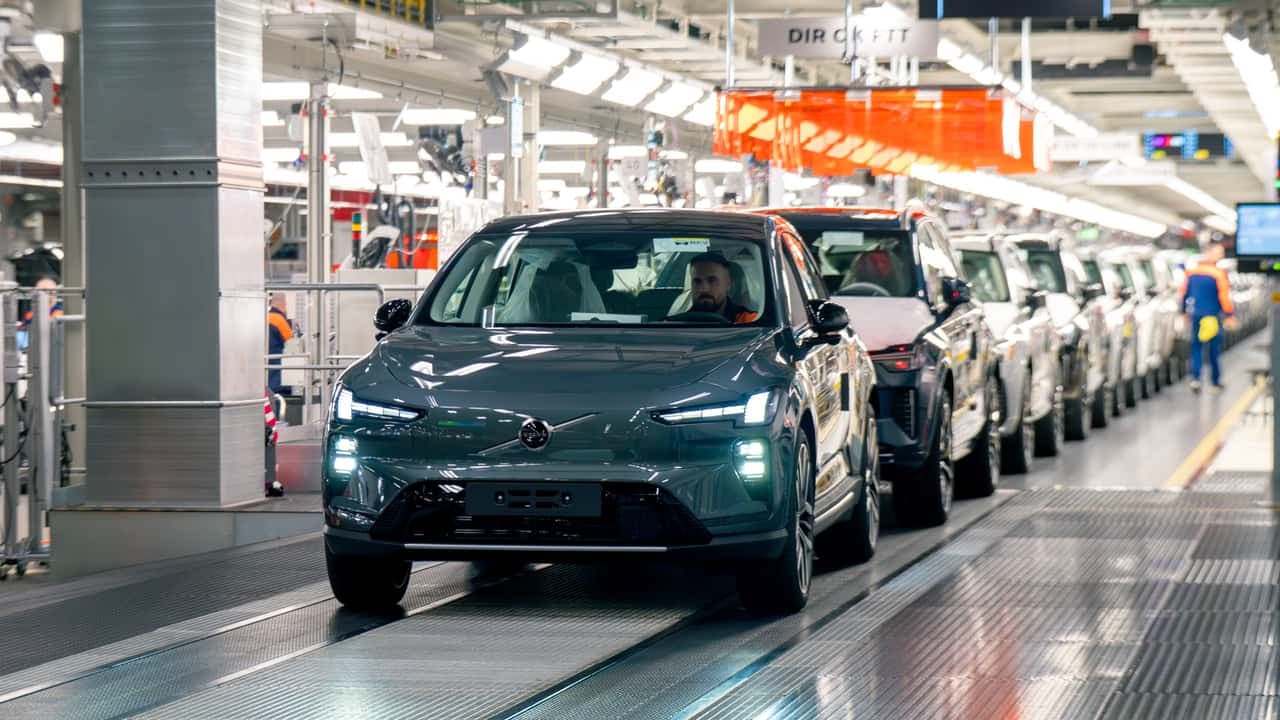
The automotive landscape in Europe is witnessing a profound transformation as Stellantis and Chinese manufacturer Leapmotor move beyond mere import agreements into a deeply intertwined development and manufacturing partnership. Initially conceived as a distribution-focused collaboration, the relationship has rapidly matured, resulting in the commencement of local production for the Leapmotor B10 at the Stellantis plant in Zaragoza, Spain. This strategic pivot highlights a broader effort by Stellantis to leverage Leapmotor's agile engineering and technical expertise to bolster its own competitiveness in the electric vehicle market.
While Stellantis maintains a portfolio of distinct brands, each with unique identities, the collaboration with Leapmotor acts as a critical accelerator for technological convergence behind the scenes. This arrangement allows European marques, such as Opel, to harness advanced Chinese electronic architectures and powertrain systems. For Leapmotor, the partnership offers a stable foothold in the European market, bypassing the volatility and logistical complexities associated with international shipping by establishing a robust, localized manufacturing presence.
The Opel-Leapmotor Collaboration
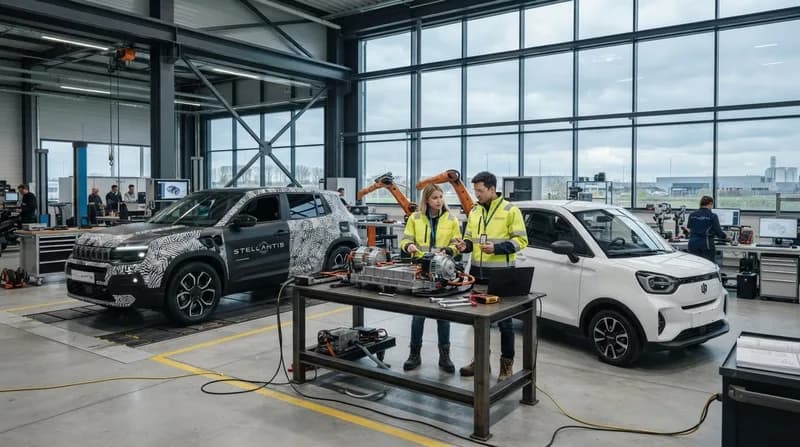
The most significant outcome of this union is the joint development of an all-electric SUV, slated for a 2028 release. Positioned strategically between the existing Frontera and Grandland models, this vehicle serves as a litmus test for the cooperation. Opel CEO Florian Huettl has emphasized that this project is a true collaboration rather than a mere rebadging exercise. Opel’s Rüsselsheim engineers are leading the design, chassis development, seating ergonomics, and user experience, while Leapmotor provides the core pillars of its E/E architecture, battery technology, and electric drivetrain components.
This division of labor is designed to address the acknowledged technological gap between European legacy manufacturers and Chinese competitors. By integrating Leapmotor’s expertise in high-performance electronic architecture and over-the-air update capabilities, Opel aims to modernize its vehicle software stack. Huettl has signaled a shift in development philosophy, prioritizing 'less planning, more development' to mirror the rapid iteration cycles that have allowed Chinese manufacturers to outpace their rivals. The project is expected to reach production in under two years, showcasing a newfound agility within the German brand.
Strategic Implications for Stellantis
For Stellantis, the partnership serves multiple high-level objectives. With European plant utilization hovering near 60 percent, incorporating Leapmotor models into facilities like Zaragoza offers a vital solution for optimizing production capacity. Stellantis’ 20 percent stake in Leapmotor and its majority control of the Leapmotor International joint venture underscores the depth of this commitment. By treating Leapmotor as an industrial partner rather than just an importer, Stellantis is effectively insulating its supply chain from future geopolitical disruptions while simultaneously acquiring essential technical knowledge.
Despite the excitement surrounding this partnership, Stellantis remains measured in its long-term roadmap. The current product plan through 2030 identifies this specific SUV as the primary output of the technical cooperation. By isolating this initial project as a dedicated development mission, the company aims to establish a repeatable model for future innovations. As the industry watches closely, the success of this collaboration may determine whether other European automakers will follow suit by opening their doors to Chinese technical integration as a path to staying relevant in the era of electric mobility.