The Strategic Appointment of a Heavyweight
Rivian is making a bold, calculated bet on the future of industrial automation by appointing industry veteran Doug Field as the president of its standalone venture, Mind Robotics. This high-profile hire signals a significant shift for the electric vehicle manufacturer, moving beyond simple vehicle assembly to developing sophisticated, semi-humanoid robotic systems designed specifically for high-volume factory floors.
Field’s arrival is widely viewed as a major coup for CEO RJ Scaringe. With an illustrious resume that includes pivotal engineering leadership roles at Tesla, where he was instrumental in the Model 3 production ramp, and a high-stakes tenure at Apple’s Project Titan, Field brings a rare blend of consumer tech DNA and automotive manufacturing rigor. His most recent five-year stint at Ford, where he spearheaded the development of the Universal Electric Vehicle platform, rounds out a portfolio that positions him as one of the most qualified executives to bridge the gap between AI-driven software and physical production hardware.
The Vision Behind Mind Robotics
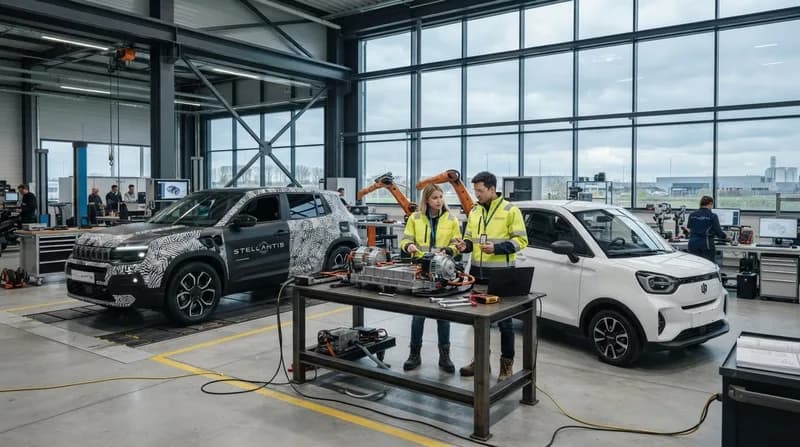
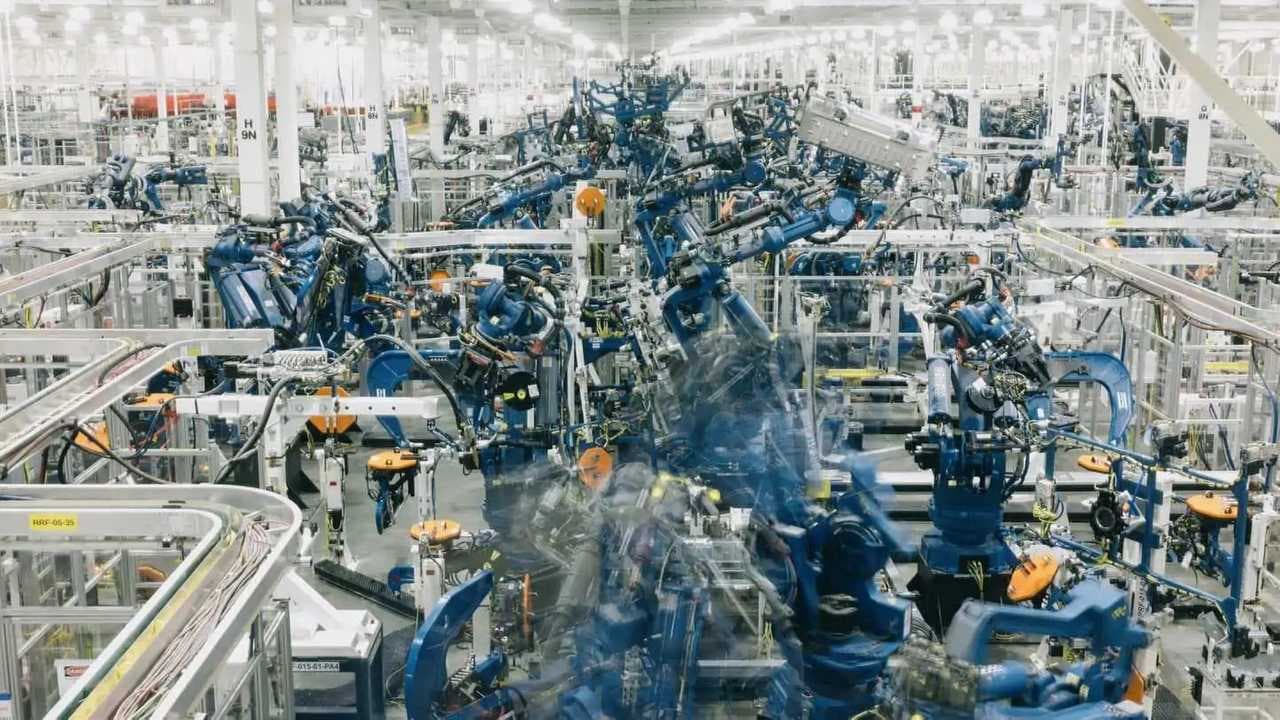
While industry peers have focused on general-purpose humanoid robots, the mission at Mind Robotics is far more grounded in industrial efficacy. The startup, which operates as a separate entity from Rivian’s core automotive business, is focusing its research and development on specialized, semi-humanoid hardware tailored for the rigors of modern manufacturing. These machines are being engineered to integrate directly into the assembly line, tackling the most repetitive and physically demanding tasks that currently bottleneck automotive production.
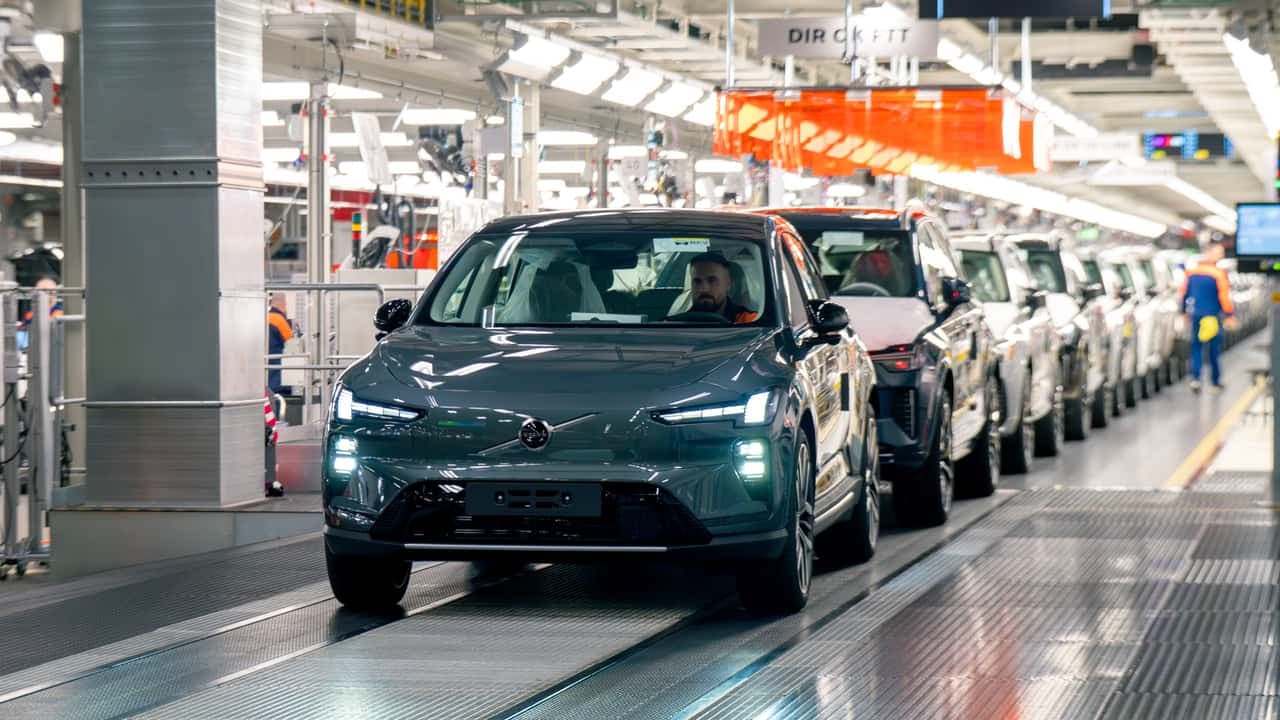
CEO RJ Scaringe highlighted a deep philosophical alignment between himself and Field, noting that both leaders share a belief that the integration of AI into physical labor is a foundational requirement for the future of the American economy. By deploying these robots within its own high-volume factories first, Rivian gains an unprecedented laboratory setting. This "dogfooding" strategy—using its own production environment to test, iterate, and refine hardware—gives Mind Robotics a competitive edge that few AI startups can replicate.
Why It Matters
- Vertical Integration: By controlling its own robotics development, Rivian reduces its reliance on third-party automation providers, potentially lowering long-term production costs.
- Engineering Pedigree: The presence of Doug Field adds instant institutional credibility to a project that could eventually become a revenue-generating entity in its own right.
- The Factory as a Lab: The ability to test AI-driven manufacturing solutions in a real-world, high-volume environment provides data feedback loops that accelerate machine learning development.
- Shifting the Narrative: This move highlights a broader industry trend where EV manufacturers are evolving into deep-tech firms, treating the factory floor as a core software product rather than just a assembly facility.
The Future of Manufacturing
The implications of this move go far beyond mere vehicle assembly efficiency. As Rivian looks to scale its R2 platform and beyond, the automation of complex assembly tasks will be critical to achieving the margins necessary to compete with legacy manufacturers. While the robots remain in the development phase, the collaborative roadmap between Scaringe and Field suggests a long-term goal: a flexible, intelligent factory environment capable of adapting to design changes and production fluctuations with minimal downtime.
Looking ahead, the success of Mind Robotics will likely be measured by its ability to translate Field’s manufacturing expertise into actionable, scalable hardware. If Rivian can successfully deploy its proprietary robotics to solve the notoriously difficult challenge of automating intricate vehicle sub-assemblies, it may find that its most valuable export isn't just the vehicles rolling off the line, but the robotic intelligence that built them.