A Significant Milestone for Electrification
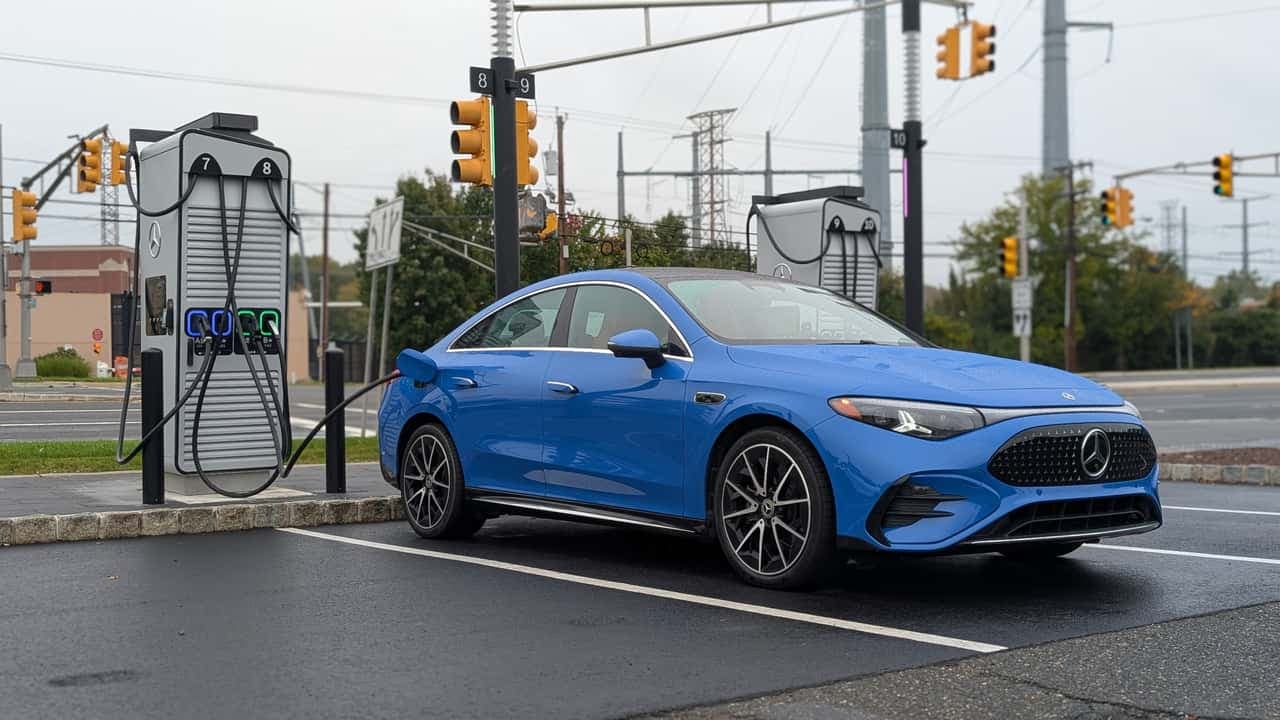
The landscape of American electric vehicle infrastructure achieved a major milestone in the third quarter of 2026, officially surpassing 80,000 public fast-charging ports nationwide. While the rate of deployment saw a slight deceleration compared to previous years—largely influenced by shifting federal policy landscapes and a cooling in the broader EV market—the underlying momentum of the charging sector remains robust. Data from the analytics platform Paren confirms that 4,106 new ports were added across 664 stations during the quarter, indicating a strategic, if measured, expansion of the national grid.
This growth is underscored by record-breaking consumer utilization. In July alone, drivers logged a staggering 17.6 million fast-charging sessions, demonstrating that demand for public infrastructure is higher than ever. As automakers and charging operators adjust to the current economic environment, the focus has pivoted from raw quantity to quality, prioritizing high-powered, reliable sites at convenient travel nodes like gas stations and retail centers.
Major Players in Infrastructure Expansion
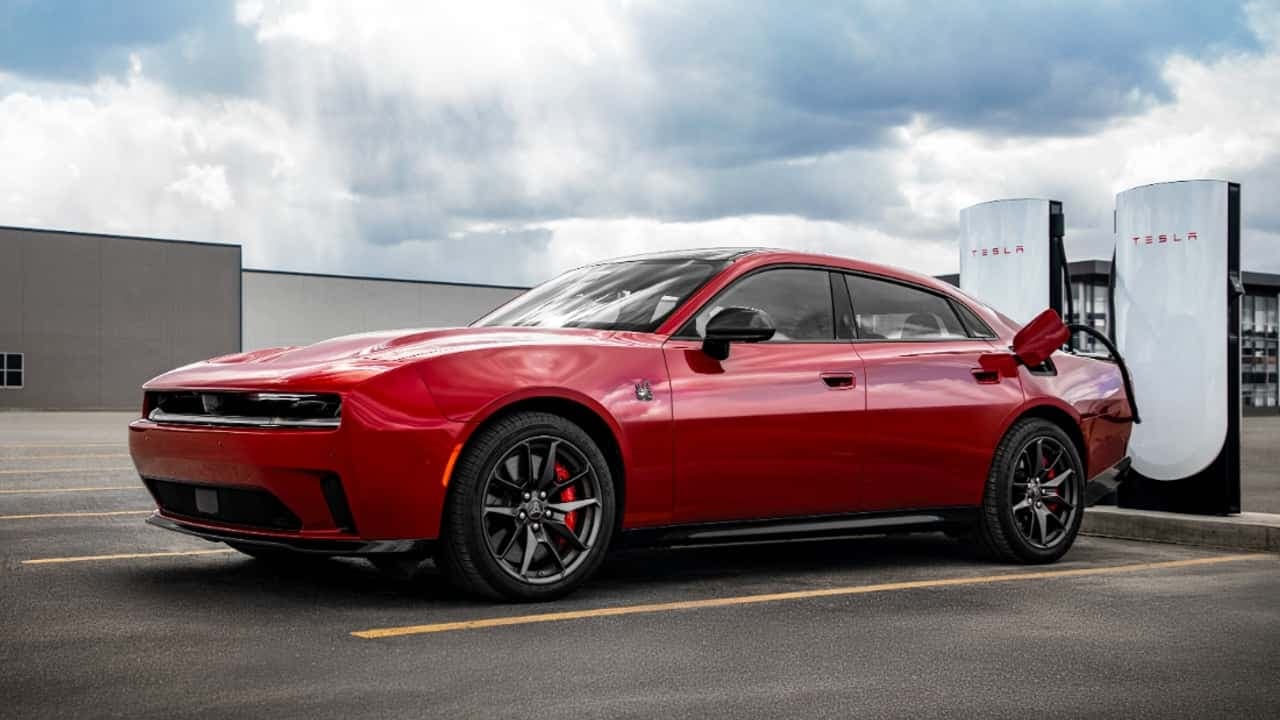
Tesla continues to hold the title of the largest contributor to the U.S. fast-charging network, despite a localized slowdown in its deployment pace. Between July and September, the company added 1,287 ports. Notably, Tesla has diversified its strategy by selling Supercharger hardware to third-party businesses, adding another 124 ports to the tally through this emerging B2B model. This shift represents a broader industry trend where proprietary networks are increasingly becoming accessible to non-brand vehicles, fostering a more interconnected ecosystem.
The Ionna consortium, an ambitious alliance of major automakers, has emerged as the second-largest driver of growth. With a goal of deploying 30,000 fast chargers by the end of the decade, Ionna nearly tripled its year-over-year rollout performance, adding 378 ports during the third quarter. Walmart also continues to exert its influence, rounding out the top three contributors with 344 newly installed ports, leveraging its massive nationwide retail footprint to place chargers exactly where drivers are likely to stop for extended periods.
The Shift to Ultra-Fast Power
Beyond the total count, the most critical shift is in the technical capabilities of the new infrastructure. Modern charging hardware is rapidly migrating toward higher power delivery, enabling shorter stop times and improved vehicle efficiency. According to the Q3 data, approximately 73% of newly added ports are capable of delivering at least 250 kilowatts, a significant leap from the 60% observed just one year ago. This move is designed to accommodate a new generation of high-voltage EVs capable of taking full advantage of rapid energy transfer.
The industry is moving toward 400 kW and even 500 kW architectures as the new standard for flagship hardware. Tesla’s V4 Supercharger cabinets, which support 500 kW, are already operational at 42 locations, providing a glimpse into the future of long-distance EV travel. These systems are essential for vehicles like the Lucid Gravity, Porsche Cayenne Electric, and the Tesla Cybertruck, which require higher ceilings for power intake. Even mainstream vehicles, such as the Hyundai Ioniq 5 and the upcoming Rivian R2, are designed to benefit from these high-output stations, signaling a future where highway charging is nearly as quick as a traditional refueling stop.
Why It Matters
- Operational Efficiency: Higher power delivery reduces queue times at busy stations, directly addressing a primary pain point for long-distance commuters.
- Market Alignment: The concentration of chargers in major metropolitan areas like Dallas-Fort Worth and Houston mirrors the regional demand for EVs, though it highlights a persistent need for rural infrastructure investment.
- Future-Proofing: As battery chemistry evolves, the massive rollout of 400 kW-plus capable stations ensures today's infrastructure will remain relevant for the next decade of automotive innovation.