A Breakthrough in Scalable Solid-State Manufacturing
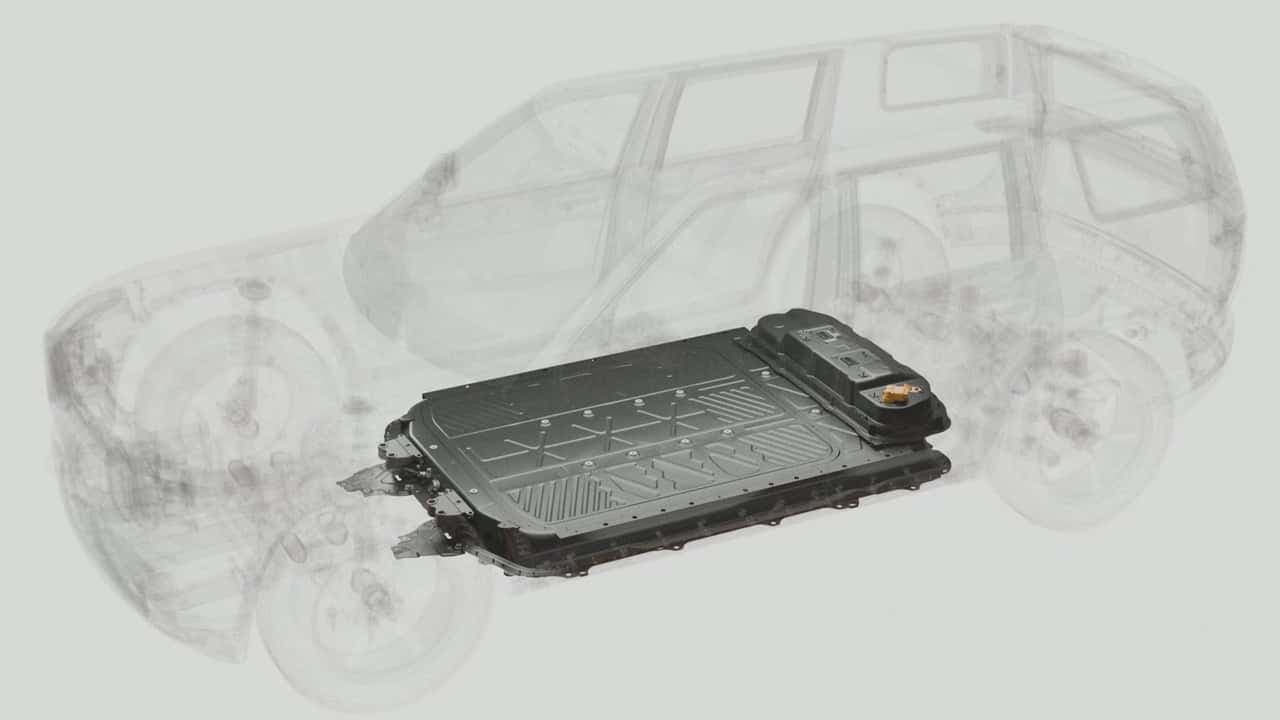
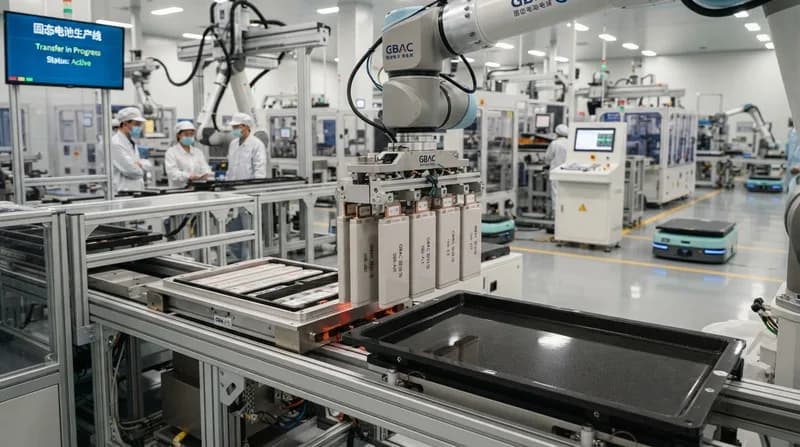
The race to bring solid-state batteries to the mass market has hit a significant turning point. Greater Bay Technology (GBT), a prominent Chinese battery developer backed by the GAC Group, has officially commenced series production of all-solid-state battery cells at its facility in Nansha, Guangzhou. Unlike many industry competitors that require the construction of entirely new, highly specialized manufacturing plants, GBT has successfully adapted existing lithium-ion production lines to accommodate its new cell technology.
This strategic move allows GBT to bypass the massive capital expenditure typically associated with solid-state adoption. The current facility operates with an initial capacity of 1 GWh, which the company is capable of scaling to 4 GWh as market demand necessitates. By maintaining a flexible production environment, GBT can switch between conventional lithium-ion and solid-state manufacturing, significantly reducing the economic risk of scaling a nascent technology.
The Technology Behind the Cells
The core innovation behind GBT’s success is its proprietary organic-inorganic composite electrolyte. While many other solid-state programs rely on sulfide electrolytes—which demand oxygen-free, hyper-dry cleanroom environments that are notoriously expensive to build and maintain—GBT’s approach is far more pragmatic. The electrolyte is introduced as a liquid precursor and then solidified within the cell structure itself.
Because the solidification happens internally, GBT can utilize standard lithium-ion assembly equipment for electrode manufacturing, stacking, and formation. The only major modification required was to the electrolyte filling process, which is now conducted in a controlled, oxygen-free environment. This methodological shift allows the company to hit the ground running with established supply chains and proven hardware.
Technical Specifications and Performance
- Energy Density: Ranges between 260 and 480 Wh/kg, depending on configuration and generation.
- Safety Performance: Cells successfully passed external nail penetration tests under the Chinese GB 38031-2025 standard, showing no signs of fire or explosion.
- Regulatory Standing: GBT is the first manufacturer to have its cells verified under the new Chinese Standard GB/T 48093.1-2026, providing a clear regulatory distinction between true solid-state cells and hybrid/semi-solid alternatives.
- Lifecycle: Current cycle stability is reported to be comparable to traditional lithium-ion batteries.
Strategic Outlook and Applications
GBT is not just focusing on passenger electric vehicles. The company is actively diversifying its reach into high-performance sectors, including eVTOL aircraft, stationary energy storage systems, and even humanoid robotics. By securing partnerships with firms like Hubei Liming Lithium Technology and collaborating with European commercial vehicle startups such as Flynt, GBT is positioning itself as a major supplier in the global energy transition.
As the company moves from A-samples to full-scale commercialization, the industry will be watching closely to see if GBT can maintain quality stability at high volumes. If successful, this "brownfield" manufacturing strategy—upgrading old factories rather than building new ones—could serve as a blueprint for other battery manufacturers looking to bridge the gap between lab-scale innovation and the grueling demands of global mass production.