Scaling Up: The Kia PV7
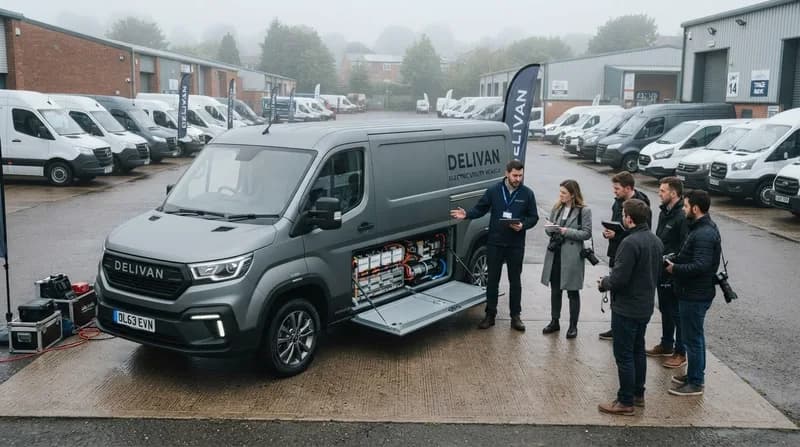
Kia has officially expanded its Platform Beyond Vehicle (PBV) strategy with the introduction of the PV7, a significant step up from the previously launched PV5. While the PV5 focused on urban agility and flexibility, the PV7 is designed as a heavy-duty 'Tool Box' solution, offering substantially more cargo volume and payload capacity. Built on the specialized E-GMP.S (Electric Global Modular Platform for Service) architecture, the PV7 is clearly aimed at businesses that require a more robust, high-capacity electric workhorse.
Dimensionally, the vehicle commands a larger footprint. The long-wheelbase configuration reaches 5.35 meters in length with a 3.50-meter wheelbase. This expansion translates into impressive cargo utility, with the high-roof variant capable of swallowing up to 8.0 cubic meters of freight. The vehicle is engineered to handle substantial work, boasting a maximum payload of up to 1,200 kilograms, representing a 50 percent increase over the smaller PV5 model.
800-Volt Architecture and Charging Performance
Perhaps the most significant technical upgrade in the PV7 is the transition to an 800-volt electrical architecture. This shift allows for vastly improved charging efficiency, with Kia targeting a 10 to 80 percent charge time of approximately 25 minutes when connected to 350 kW DC fast-charging infrastructure. This capability is critical for commercial fleet operators who prioritize uptime and rapid turnaround times between shifts.
Kia has also introduced a thoughtful utility feature for depot environments: dual charging ports. In addition to the primary front-mounted combined AC/DC port, the PV7 offers an optional rear AC port. This design choice aims to minimize maneuvering in tight charging bays or crowded distribution centers. Furthermore, the inclusion of Vehicle-to-Load (V2L) technology provides 230-volt power outlets inside and outside the vehicle, effectively turning the van into a mobile power station for tools or external equipment.
Drivetrain and Modular Versatility
At launch, the PV7 will feature a front-wheel-drive powertrain capable of delivering 200 kW and 420 Nm of torque. Customers can choose between two NMC (Nickel Manganese Cobalt) battery packs, with the larger 96.2 kWh unit offering an estimated range of over 460 kilometers according to WLTP standards. While front-wheel drive is the standard, Kia has already signaled that an all-wheel-drive variant will be added to the lineup in the future.
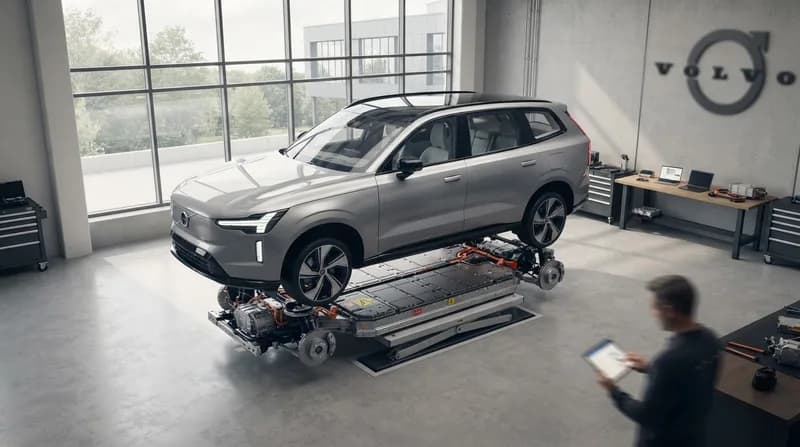
The versatility of the platform is rooted in Kia's Flexible Body System (FBS). This modular architecture is designed to support 23 distinct variants in the long term, including chassis cabs, high-roof cargo haulers, and various passenger configurations. The Passenger model itself is particularly flexible, with options to seat up to nine people in European markets, utilizing sliding, removable seats to adapt the cabin layout for shuttle services, tourism, or even family transport.
- Architecture: E-GMP.S (Electric Global Modular Platform for Service)
- System Voltage: 800V high-speed charging
- Battery Capacities: 71.5 kWh and 96.2 kWh (NMC chemistry)
- Max Payload: Up to 1,200 kg
- Cargo Volume: Up to 8.0 cubic meters (high-roof)
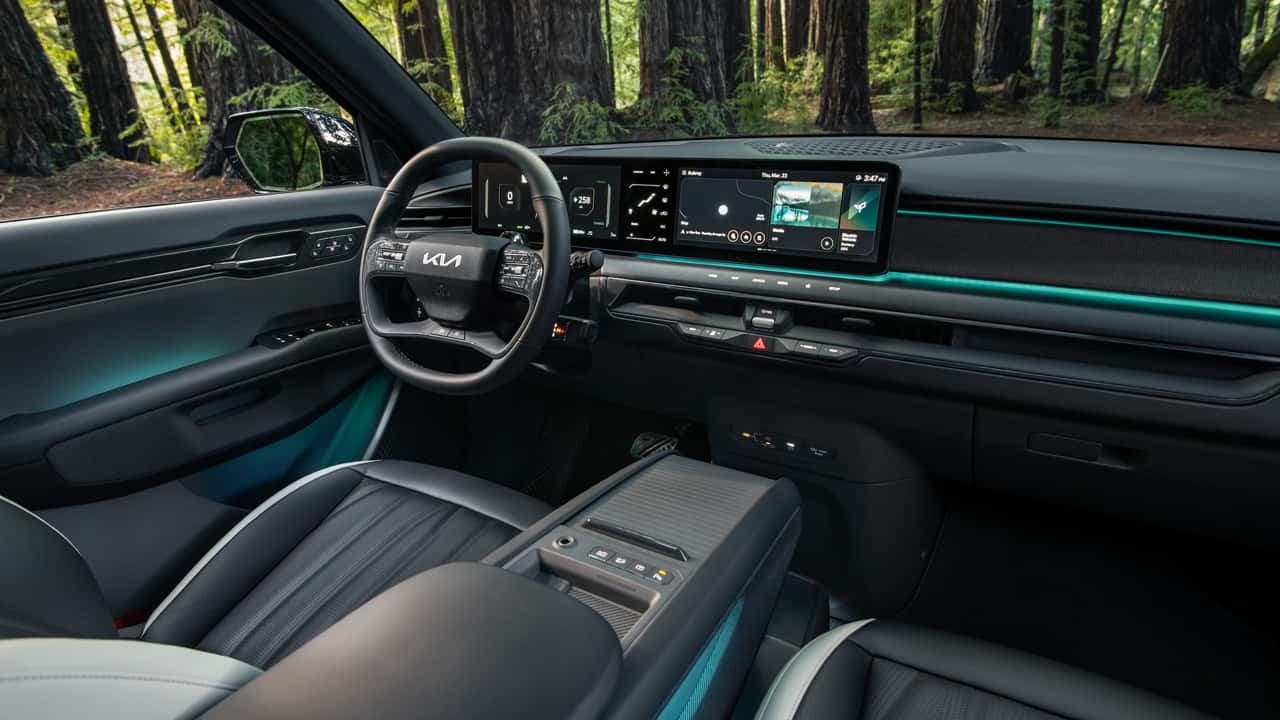
- Tech Stack: Pleos Connect infotainment with Android Automotive OS and AI voice integration