The Two-Phase Strategy for Autonomous Driving
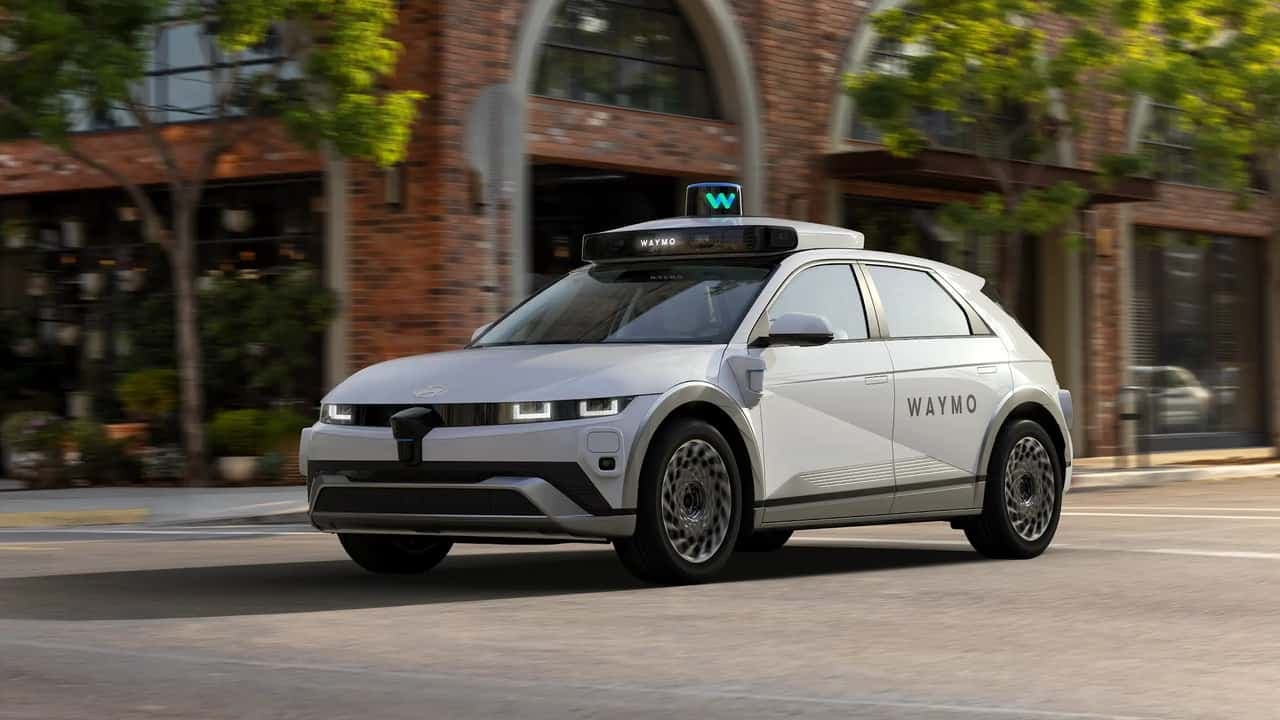
Hyundai Motor Group has officially recalibrated its autonomous driving roadmap, opting for a deliberate, phased strategy rather than rushing to market with sub-par software. During its recent Autonomous Driving Media Day, the South Korean automaker confirmed it will introduce an Nvidia-based Level 2 system in 2028, followed by its proprietary 'Atria AI' Level 2++ system in 2029. This represents a strategic two-year delay from original projections, a decision driven by the company's desire to deliver a robust, high-performance platform that avoids the pitfalls of premature development.
By intentionally slowing down its timeline, Hyundai aims to ensure its technology moves beyond the 'middling' category that often plagues rapid-release ADAS products. The company’s leadership emphasized that with 7 million vehicles sold annually across 190 global markets, the scale of real-world data collection will serve as a powerful engine for refining its autonomy algorithms, effectively creating a feedback loop between road performance and software improvement.
Phase 1: Nvidia-Powered Standardization (2028)
The first stage of this rollout, slated for the latter half of 2028, involves the widespread integration of the Nvidia Drive Hyperion 10 platform. This architecture is designed to support a wide range of capabilities, from supervised Level 2 assistance all the way up to unsupervised Level 4 functionality. By standardizing this hardware across Hyundai and Kia vehicles, as well as its Motional and 42dot divisions, the group hopes to streamline the development process and unify its software ecosystem.
From a hardware perspective, this initial phase will rely on a comprehensive array of cameras, ultrasonic sensors, and radar. Hyundai has notably opted to forgo lidar for these specific Level 2 systems, aligning with the industry trend of focusing on camera-heavy sensor suites to manage costs and simplicity. However, the architecture leaves the door open for future integration of lidar should the automaker decide to pursue higher levels of conditional automation, such as Level 3, in specific fleet applications.
Phase 2: The Atria AI 'Level 2++' System (2029)
The centerpiece of Hyundai's long-term autonomy play is the 'Atria AI' system. Scheduled for release in late 2029, this in-house platform is intended to be the company’s direct answer to competitors like Tesla’s Full Self-Driving (Supervised). Labeled as a 'Level 2++' solution, the system occupies the sophisticated space between traditional supervised driver assistance and fully autonomous driving, requiring human oversight while handling increasingly complex urban maneuvers.
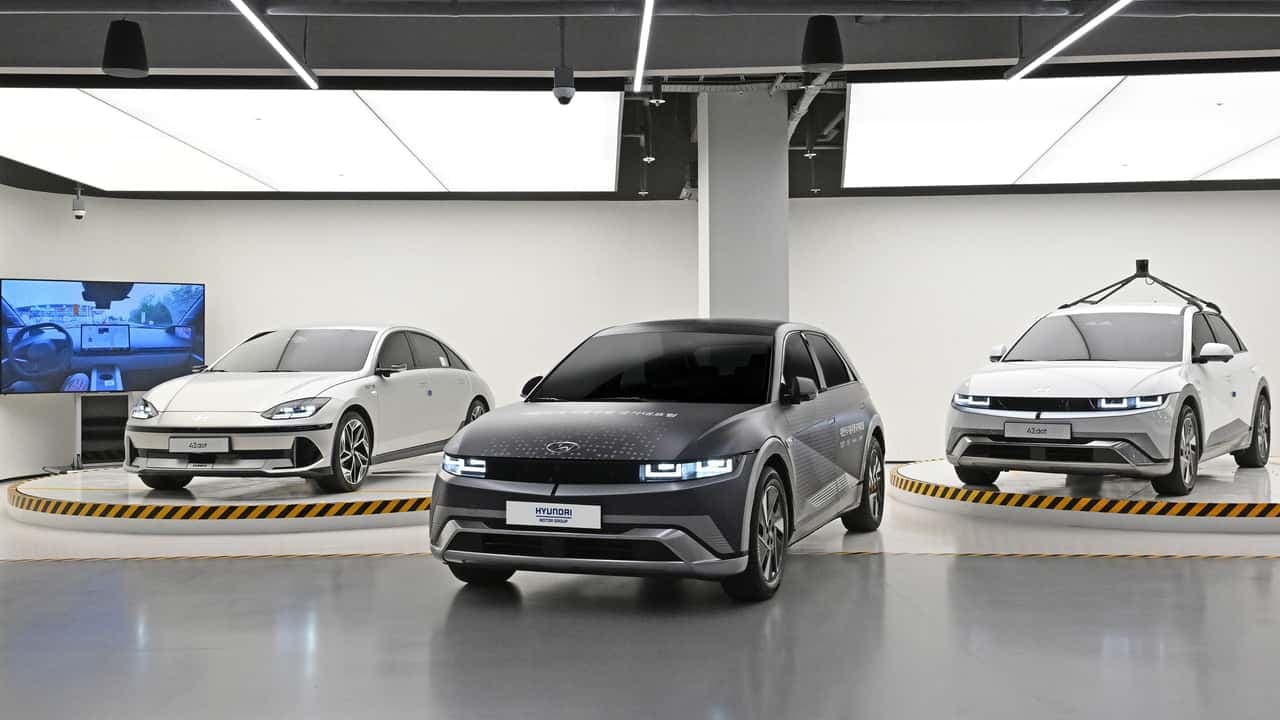
Atria AI is architected as an end-to-end model, where deep-learning neural networks ingest raw sensor data to make immediate, real-time driving decisions. This approach contrasts with modular software stacks by allowing the AI to effectively 'learn' driving patterns and improve its decision-making performance as more data is validated. With the integration of its data flywheel system, Hyundai expects to see rapid advancements in navigating chaotic urban environments, mirroring the progress demonstrated in recent test footage featuring an Ioniq 5 navigating the heavily congested Gangnam District of Seoul.
Why It Matters
- Strategic Patience: Hyundai is prioritizing quality over speed, aiming to avoid market dilution by releasing a superior, fully-vetted autonomous product in 2029.
- Data Advantage: Leveraging 7 million annual vehicle sales provides an massive dataset for training neural networks, which is crucial for achieving parity with or exceeding current industry leaders.
- Software-Defined Mobility: By standardizing its underlying platform via Nvidia in 2028, Hyundai is preparing its entire fleet for a future where vehicle capabilities are dictated by continuous OTA updates and artificial intelligence.