A Strategic Partnership for African EV Expansion
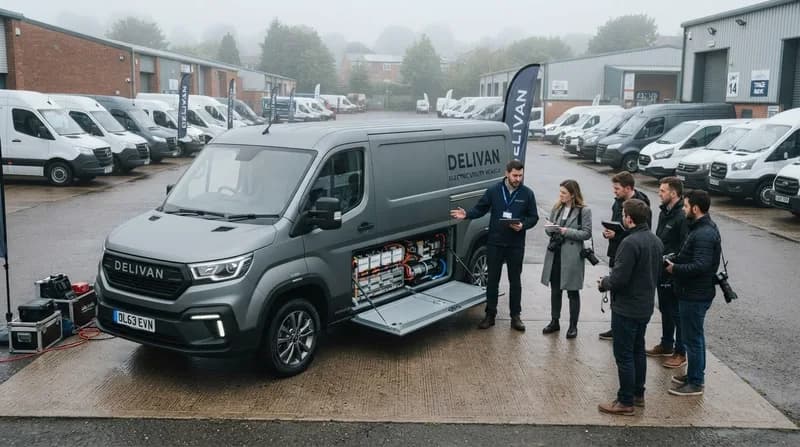
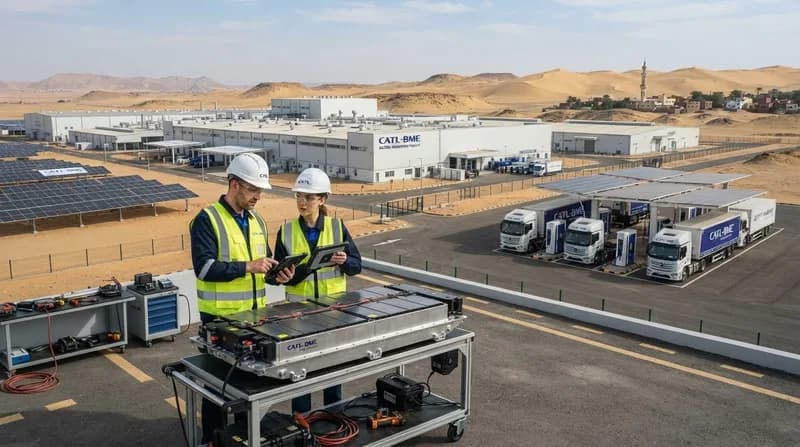
The global race to localize electric vehicle supply chains has reached a significant milestone in North Africa. Battery manufacturing giant CATL has officially entered into a landmark agreement with Egyptian firm BME—a venture established by the commercial vehicle manufacturer MCV and the automotive spare parts supplier Auto D—to construct a state-of-the-art battery production plant in Egypt. This facility represents a calculated move to integrate advanced battery technology into the region's burgeoning transport infrastructure.
Under the terms of the agreement, the partnership will leverage CATL’s world-class expertise in battery chemistry, manufacturing precision, and engineering support. BME will provide the necessary local operational footprint and engineering talent to ensure the facility meets regional demands. By localizing production, the partners aim to achieve a 40 percent local value-added component, significantly reducing dependence on expensive imports and streamlining the logistics chain for Egyptian vehicle manufacturers.
Phased Growth Strategy
The project is structured in two primary phases, reflecting a long-term commitment to scaling up production capacity as market demand evolves. The initial phase focuses on the heavy-duty commercial vehicle sector, with the plant designed to reach an annual production capacity of 1 GWh. This segment is prioritized to support the transition of public and industrial transport to electric powertrains, which is essential for reducing regional carbon footprints.
Following the initial launch, the partners plan an ambitious expansion to reach an annual capacity of 5 GWh. This second phase will pivot to include battery systems for passenger electric vehicles and stationary energy storage solutions. By diversifying into residential and grid-scale storage, the facility is positioned to play a critical role in Egypt’s broader energy transition, moving beyond simple automotive applications to support national power grid stability.
Why It Matters
- Supply Chain Resilience: Local production mitigates risks associated with global shipping and logistics, making EVs more affordable for regional markets.
- Knowledge Transfer: The project emphasizes technical collaboration, ensuring Egyptian engineers gain direct experience with CATL’s proprietary battery architecture.
- Broadening Applications: By moving from commercial vehicle batteries to stationary energy storage, the project targets multiple sectors of the economy simultaneously.
- Capital Investment: The initial investment, exceeding 39 million USD, signals a strong vote of confidence in Egypt's industrial potential and its role in the global EV supply chain.
While a definitive timeline for the start of operations remains pending, the collaboration highlights how major players like CATL are successfully executing technology-licensing models worldwide. Similar to the company’s engagement with Ford in the United States, this partnership illustrates a global strategy of providing the intellectual and technical scaffolding required for local entities to establish sustainable, high-capacity manufacturing hubs.