Electric VehiclesTechnical Deep Dive

The Price Gap Closes: Are EVs Finally Reaching Parity with Gas Cars?

Published
EElectricBuzz Editorial Team
The Price Gap Closes: Are EVs Finally Reaching Parity with Gas Cars?
3 min read541 wordsElectricBuzz Editorial Team

The Gist

New data shows the price difference between electric vehicles and combustion cars is at its narrowest point yet, signaling a shift toward organic market growth.

The Shrinking EV Price Gap

For years, the high sticker price of electric vehicles has served as a primary hurdle for mainstream adoption. However, fresh data from Kelley Blue Book indicates that this barrier is eroding rapidly. As of August, the average transaction price for a new electric vehicle was only 9.4% higher than the average cost of a traditional internal combustion engine vehicle. This is a significant improvement compared to the 16% price gap observed during the same period last year.

While the broader automotive market saw average transaction prices climb nearly 2% to $50,089 in August, the EV segment moved in the opposite direction. The average transaction price for a fully electric vehicle dropped 2.7% year-over-year, settling at $54,813. This trend suggests that the electric transition is becoming more economically accessible, even as the overall cost of new vehicles continues to trend upward.

The Drivers of Market Normalization

Industry experts attribute this shift to a move away from luxury-only lineups and toward more diverse, affordable model offerings. While Tesla continues to dominate the U.S. electric vehicle landscape, other manufacturers are playing an increasingly influential role in pulling down average prices. Automakers like Hyundai, Toyota, Chevrolet, and Subaru are gaining ground, filling the market with options that cater to the average consumer rather than the luxury segment.

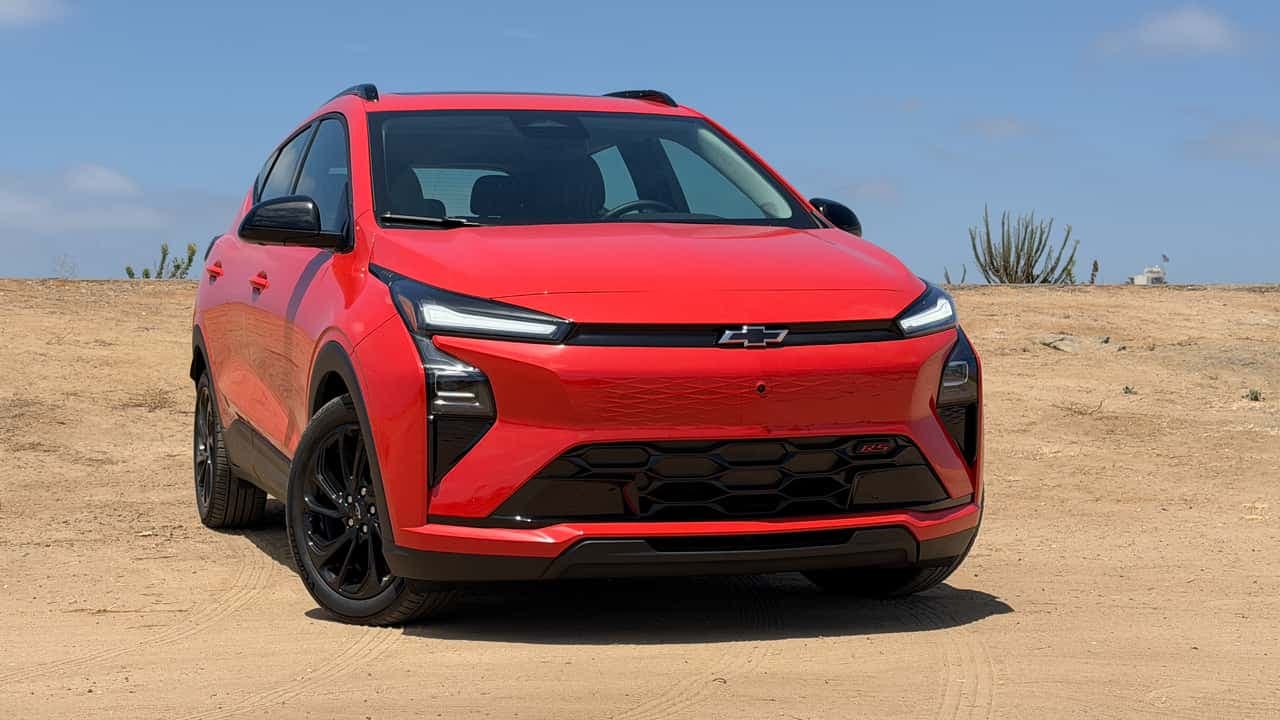
Key models such as the Chevrolet Bolt, which starts at a competitive $28,995, and the Toyota bZ series, starting at $36,575, are capturing larger market shares. Additionally, aggressive pricing strategies—such as the nearly $10,000 price cut implemented by Hyundai for the Ioniq 5—have helped stabilize entry-level pricing. These models demonstrate that consumers no longer need to spend luxury-car premiums to access reliable, modern electric performance.

Why It Matters

  • Reduced Dependence on Incentives: EV incentive support has fallen 20% year-over-year, yet price parity is still being achieved. This shift suggests that the market is becoming healthier and less reliant on government subsidies to drive demand.
  • Supply and Demand Fundamentals: The automotive industry is pivoting from policy-driven urgency to a model where sales are dictated by genuine choice, inventory availability, and competitive pricing.
  • Broadened Consumer Choice: As affordable models from legacy automakers gain traction, the EV market is moving beyond early adopters and into the hands of price-conscious buyers.

The Shift Toward Sustainable Market Health

Perhaps the most encouraging takeaway from recent sales data is the changing nature of the financial landscape. Last year, the industry relied heavily on massive incentives to clear inventory, with rebates accounting for 14.6% of the average EV transaction price. Today, that number has dropped to 12%, signaling a much more balanced equilibrium between supply and demand. By moving away from "cash on the hood" as a primary sales lever, the industry is proving that electric vehicles are becoming a mainstream product capable of succeeding on their own merits.

As we head into the upcoming sales season, the narrative is shifting toward "normalization." Rather than reacting to expiring tax credits or artificial urgency, the market is maturing into a sustainable ecosystem. This evolution is a critical milestone for the industry, suggesting that the era of the "niche" electric vehicle is rapidly coming to an end, giving way to a future where electric power is the standard for the everyday driver.

The 5 Best Over-Ear ANC Headphones of 2026, Tested & Ranked
Editor's Pick Guide
92/100
Tech & Gadgets12 min read

The 5 Best Over-Ear ANC Headphones of 2026, Tested & Ranked

We locked five over-ear ANC picks for 2026 — Sony WH-1000XM6, Bose QuietComfort Ultra 2, Soundcore Space One, Sennheiser Momentum 5, and Apple AirPods Max 2 — then stress-tested them on lab metrics, long-term owner truth, and live street prices.

Related Stories

Semantically matched articles, ranked by topic overlap and freshness.

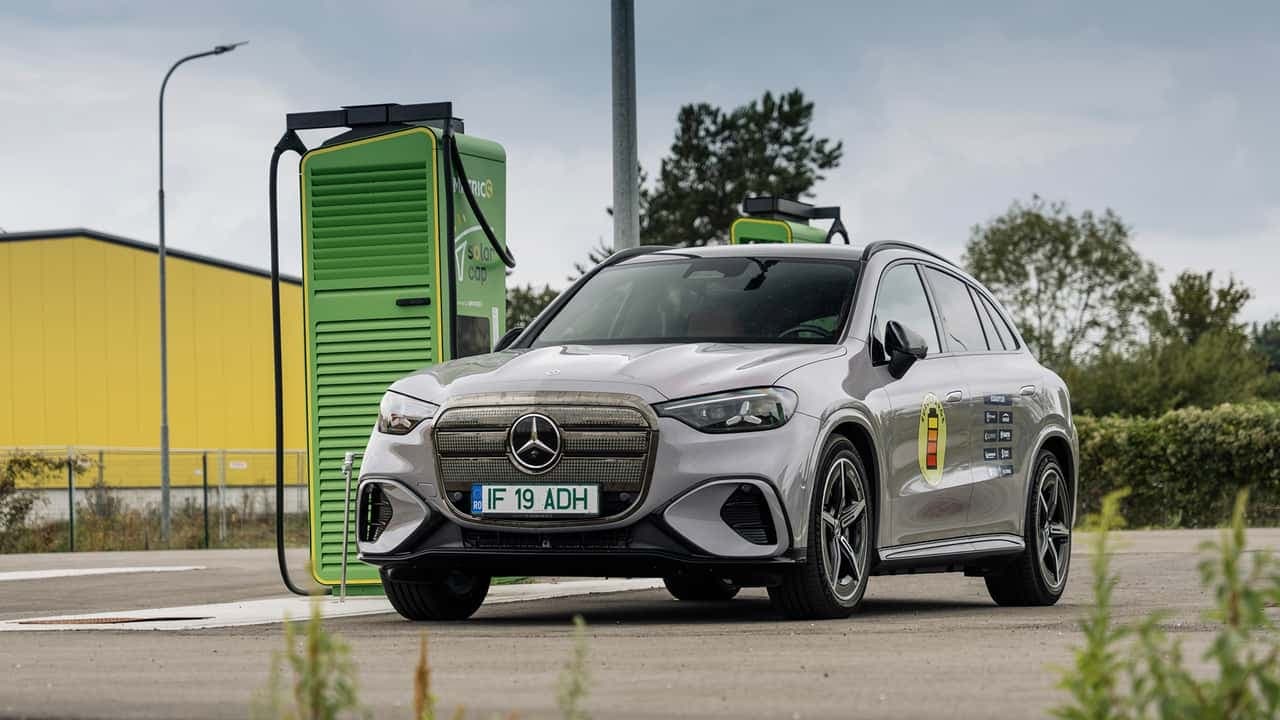
Mercedes-Benz GLC 400 4Matic Proves Rapid Charging Trumps Range Anxiety
Electric Vehicles

Mercedes-Benz GLC 400 4Matic Proves Rapid Charging Trumps Range Anxiety

A recent long-distance road trip demonstrates that high-speed charging infrastructure and efficient battery management can make electric vehicle travel as convenient as a traditional gas-powered journey.

Porsche Closes the Loop on EV Sustainability with Innovative Battery Recycling
Electric Vehicles

Porsche Closes the Loop on EV Sustainability with Innovative Battery Recycling

Porsche is pioneering an end-to-end circular economy for electric vehicle batteries, successfully demonstrating a process to transform end-of-life cells into high-performance materials for future cars.

Hyundai Shifts Gear: Leveraging Robotaxi Fleets to Combat EV Market Volatility
Electric Vehicles

Hyundai Shifts Gear: Leveraging Robotaxi Fleets to Combat EV Market Volatility

As consumer EV demand fluctuates, Hyundai is aggressively pivoting toward the commercial autonomous vehicle sector, committing to mass-producing tens of thousands of Ioniq 5 robotaxis.

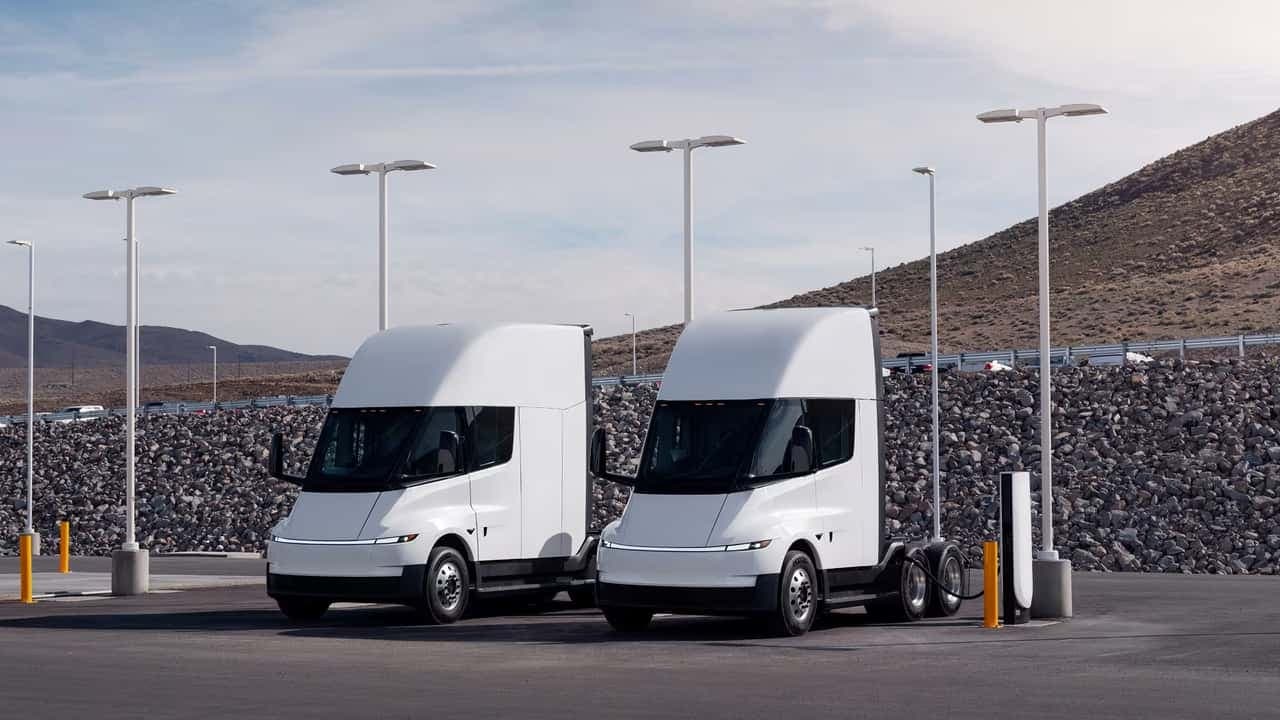
Tesla Sparks European Freight Revolution with Massive Megacharger Deployment
Electric Vehicles

Tesla Sparks European Freight Revolution with Massive Megacharger Deployment

Tesla is preparing for the European debut of its Semi truck by announcing a massive rollout of over 100 high-power Megachargers across key regions.

Congress Pushes to Mandate AM Radio in All New Electric Vehicles
Electric Vehicles

Congress Pushes to Mandate AM Radio in All New Electric Vehicles

A new bill passed by the House aims to force automakers to include AM radio tuners in all new vehicles, reigniting a debate over electromagnetic interference in modern EV design.

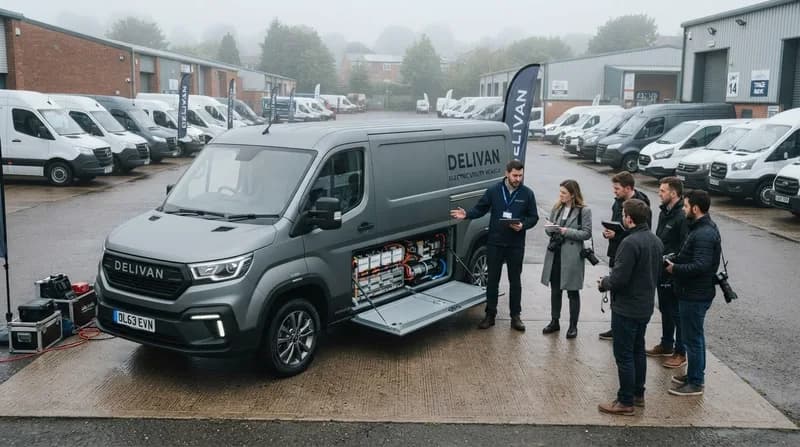
Delivan Launches Aggressive UK Expansion with New Electric Van Lineup
Electric Vehicles

Delivan Launches Aggressive UK Expansion with New Electric Van Lineup

Chery’s commercial vehicle brand, Delivan, is gearing up for a major European entry, targeting over 100 UK dealerships with a versatile, tech-forward electric van platform.

Volvo’s Massive Battery Upgrade Redefines the Plug-In Hybrid Experience
Electric Vehicles

Volvo’s Massive Battery Upgrade Redefines the Plug-In Hybrid Experience

Volvo is pushing the boundaries of the plug-in hybrid segment with new 2027 model-year SUVs, boasting massive batteries that deliver up to 200 km of pure electric range.

Factorial’s Strategic Coalition Aims to Break the Solid-State Battery Bottleneck
Electric Vehicles

Factorial’s Strategic Coalition Aims to Break the Solid-State Battery Bottleneck

Massachusetts-based Factorial Energy is shifting the paradigm of battery development by rallying a specialized supply chain coalition to bring solid-state technology to mass production.