The Legislative Push for Analog Heritage
In a move that has sent ripples through the automotive industry, the U.S. House of Representatives has officially passed the "AM Radio for Every Vehicle Act." This legislation seeks to ensure that the century-old broadcasting technology remains a standard feature in all new passenger vehicles sold within the United States. While the bill covers the entire automotive sector, it has placed electric vehicle manufacturers in a particularly difficult position, as the integration of AM tuners into modern battery-electric platforms is far from a simple plug-and-play solution.
Proponents of the bill argue that AM radio remains an indispensable component of the nation's Emergency Alert System. Despite the ubiquity of smartphones and digital streaming, lawmakers maintain that the reach and reliability of radio frequencies during critical infrastructure failures are non-negotiable. With 317 co-sponsors backing the movement, the message from Washington is clear: the transition to a software-defined automotive future should not come at the expense of legacy emergency communication tools.
The Engineering Conflict: EVs vs. AM Signals
The core tension between the proposed legislation and current industry trends lies in the fundamental physics of electric motors. Unlike internal combustion engines, which operate with a different set of noise profiles, electric vehicles rely on high-voltage power electronics and AC motors. These systems generate massive amounts of rapidly switching current, which inherently produces electromagnetic interference (EMI).
This interference frequently bleeds into the AM frequency band, manifesting as persistent buzzing, high-pitched whining, and static that renders broadcasts virtually unlistenable. To avoid these issues, numerous manufacturers—including Tesla, Rivian, BMW, and Polestar—have begun phasing out physical AM tuners in favor of digital streaming platforms. The challenge for automakers now is that the bill explicitly forbids charging consumers extra for the feature, meaning engineers must find ways to shield cables, implement complex signal-to-noise filtering, or relocate sensitive antenna hardware without driving up the base MSRP of the vehicle.
Why it Matters
- Emergency Readiness: Legislators view AM radio as the "backbone" of public safety communications, accessible even when cell towers are offline.
- Cost Implications: By mandating that the feature be included at no additional cost, Congress is forcing automakers to absorb the R&D and hardware expenses associated with EMI suppression.
- Technical Complexity: Electric vehicles inherently produce noise floor issues that require advanced shielding, which is counter-intuitive for manufacturers looking to reduce weight and production costs.
- Shifting Consumer Behavior: While manufacturers point to consumer data favoring streaming, lawmakers are prioritizing national infrastructure resilience over modern entertainment preferences.
The Road Ahead for Automakers
As the bill makes its way to the Senate, the automotive industry finds itself in a period of uncertainty. Manufacturers are currently evaluating whether to fight the mandate or begin the costly process of re-engineering their electrical architectures to accommodate the legacy technology. Should the bill become law, it will mark a significant pivot point in the design process for next-generation EVs.
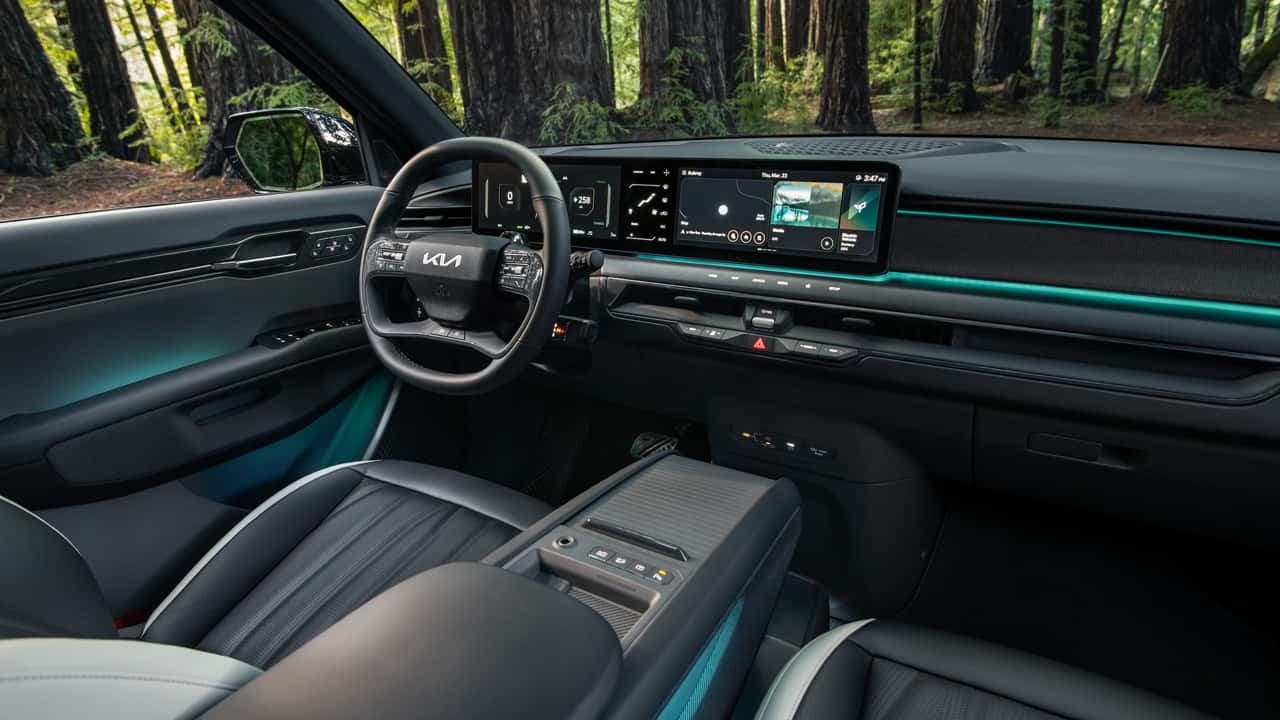
For the average consumer, this means that the cockpit of the future may look remarkably similar to the past. While the integration of AM radio may feel like a step backward to those who have fully embraced streaming, for policymakers, it is a necessary insurance policy. Whether or not these tuners ever actually receive a broadcast signal in the hands of the end-user remains secondary to the legislative priority of maintaining a decentralized, analog-compatible emergency alert network.