The Path Toward Circular Battery Production
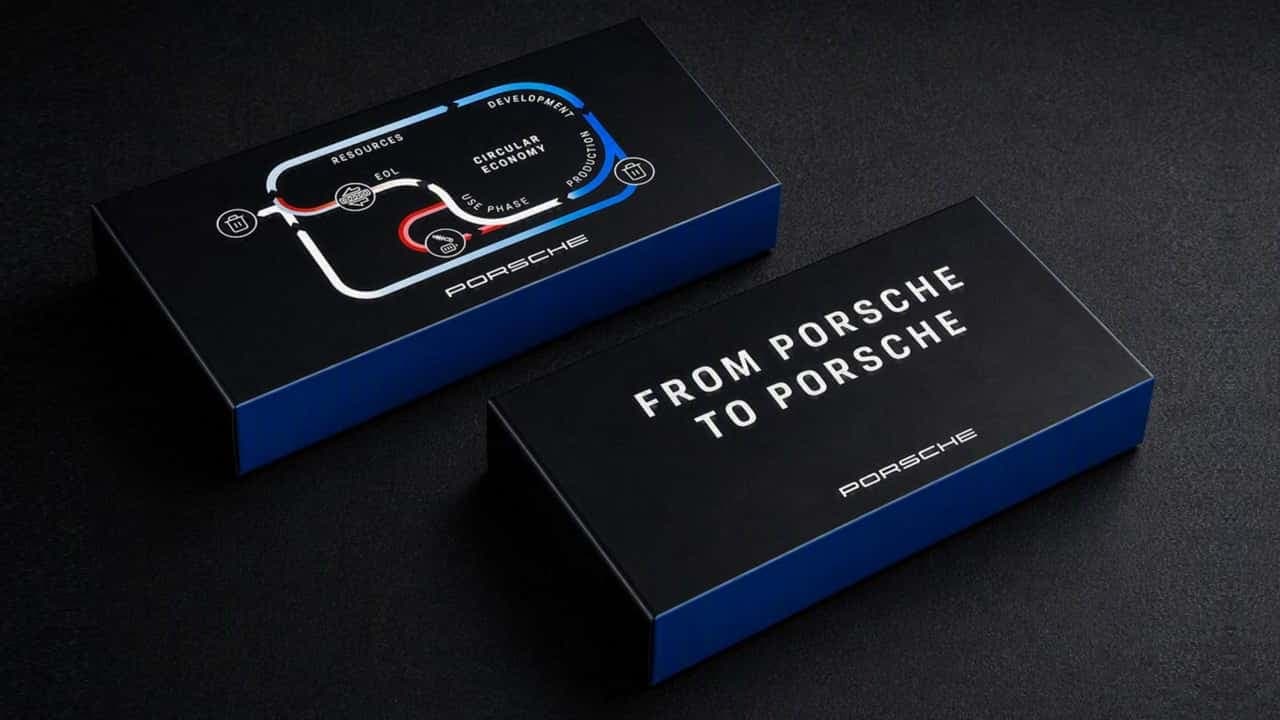
In a significant milestone for sustainable automotive engineering, Porsche has announced a successful pilot project aimed at creating a closed-loop recycling process for its electric vehicle batteries. By partnering with the German technology firm Cylib, the luxury automaker has proven that raw materials reclaimed from spent battery packs can be effectively processed to produce new, high-performance cathodes suitable for integration into next-generation Porsche vehicles.
This initiative addresses one of the most critical challenges facing the electric mobility sector: the environmental and economic cost of sourcing rare raw materials like lithium and cobalt. By establishing a localized, circular supply chain, Porsche is positioning itself to mitigate the volatility of global commodity markets while simultaneously reducing the ecological footprint associated with mining and refining virgin materials.
Quality Standards and Performance Requirements
For a brand defined by high-performance engineering, the primary hurdle in using recycled materials is maintaining the rigorous performance standards that customers expect. A Porsche battery must not only provide long-term durability but also support the rapid charging capabilities and power density required by the company's sports cars. The collaborative effort with Cylib has been focused heavily on the metallurgical quality of the output; the goal is to ensure that recovered materials perform identically to their brand-new counterparts.
The successful pilot suggests that recycled materials can meet these stringent benchmarks, provided the recycling technology is precise enough to achieve high levels of purity. As Porsche moves toward scaling this process, the focus will shift to industrialization. If successful, this shift could change the narrative around electric vehicle longevity, transforming batteries from disposable components into durable, reusable assets that retain value long after their first life on the road ends.
Why It Matters
- Reduced Dependence on Global Supply: By recycling internally, Porsche reduces its exposure to the supply chain disruptions and geopolitical risks often associated with cobalt and lithium acquisition.
- Environmental Stewardship: Lowering the reliance on virgin material extraction significantly reduces the total lifecycle carbon emissions of a Porsche EV.
- Setting a Precedent: As premium manufacturers push for circularity, it sets a standard that could eventually influence industry-wide policies, making vehicle recycling mandatory rather than optional.
A Future-Proof Strategy
While Porsche has experimented with various sustainability initiatives in the past—most notably its investment in synthetic E-Fuels—this battery recycling program represents a more direct application of circular economy principles to the current EV transition. By investing in the hardware and chemical processes required to refine materials at scale, the company is demonstrating a commitment to the long-term viability of the electric platform.
The potential implications of this project are vast. If Porsche can consistently manufacture high-performance batteries using a significant percentage of recycled content, it provides a blueprint for other manufacturers to follow. It turns the daunting prospect of battery waste into a strategic advantage, ensuring that the legacy of a Porsche lives on not just in the vehicle, but in the very atoms that power it.