A Strategic Pivot Amid Market Uncertainty
The global electric vehicle landscape has hit a period of consolidation. Faced with cooling consumer demand and shifting regulatory landscapes, many automotive giants have responded by scaling back production and absorbing significant financial write-downs. However, Hyundai Motor Company has chosen a different path, leveraging its existing manufacturing infrastructure to capture a high-growth segment: the burgeoning robotaxi market. Hyundai CEO José Muñoz recently outlined this strategy, highlighting that while some competitors choose to retreat, Hyundai is choosing to optimize its assets to serve commercial partners.
By prioritizing the production of purpose-built autonomous vehicles at its state-of-the-art Metaplant in Georgia, Hyundai is effectively insulating its volume targets from the volatility of individual retail sales. This approach allows the company to maintain high production capacity while aligning itself with the leaders of the autonomous driving space.
The Waymo Partnership
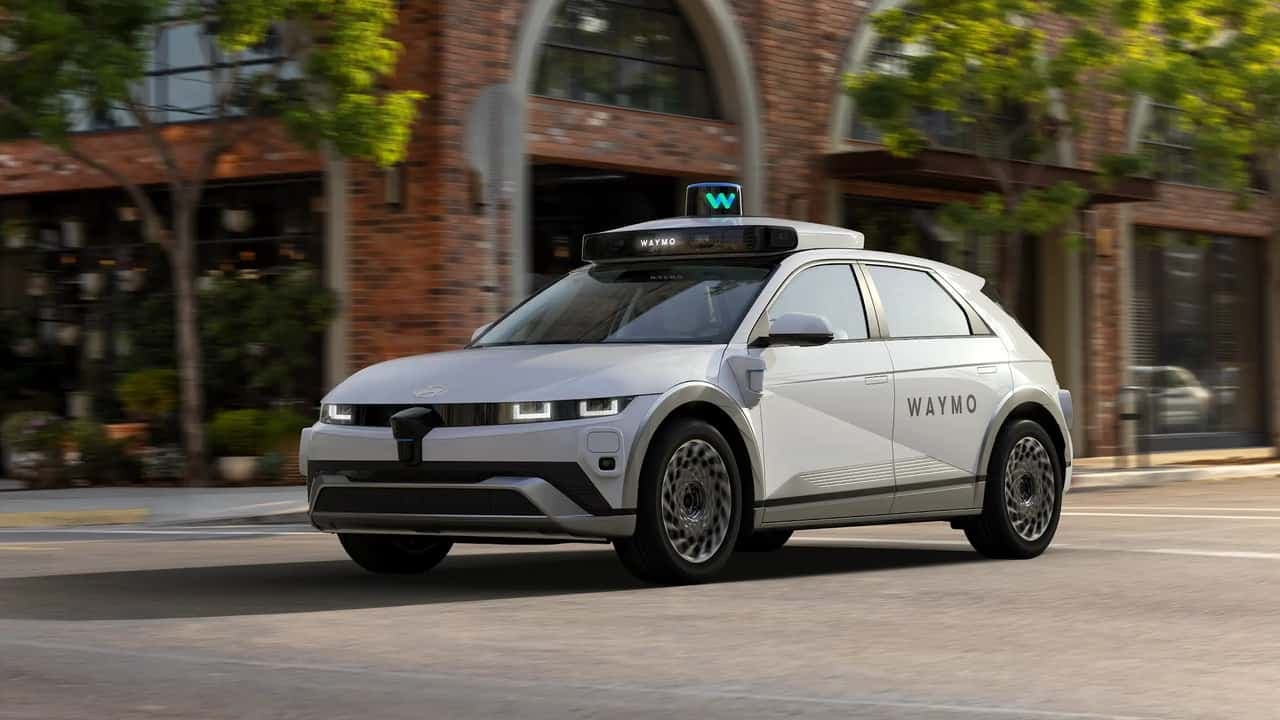
The cornerstone of this new strategy is a significant manufacturing deal with Waymo, the leader in commercial autonomous ridesharing. Hyundai has committed to producing “tens of thousands” of Ioniq 5 robotaxis, which will integrate Waymo's sixth-generation autonomous driving stack. Unlike some competitors that require complex aftermarket retrofitting, these Hyundai units are designed to be robotaxi-ready directly from the assembly line.
This factory-integrated approach offers a distinct advantage in terms of build quality and operational reliability. By incorporating the necessary autonomous hardware during the vehicle’s primary construction phase in Georgia, Hyundai ensures that its Ioniq 5 platform remains the backbone of Waymo’s expanding service operations across the United States. Deliveries of these specialized vehicles are expected to begin in the fourth quarter, signaling a massive scale-up in autonomous fleet deployment.
Implications for the Broader EV Industry
Hyundai is not alone in identifying the commercial robotaxi sector as the new frontier for EV manufacturing. This shift represents a broader trend where major automakers are partnering with autonomous tech companies to guarantee long-term, high-volume orders. For example, Rivian has solidified its standing with a supply agreement for 50,000 R2 crossovers for Uber, while Lucid has established significant partnerships with both Uber and Nuro to provide thousands of electric vehicles for autonomous and shared mobility applications.
- Steady Demand: Commercial fleet contracts provide a predictable revenue stream that helps offset slower-than-expected retail EV adoption.
- Manufacturing Efficiency: By shifting focus toward robotaxis, Hyundai is maximizing the utilization of its Georgia Metaplant, balancing the production mix between hybrids and dedicated autonomous EVs.
- Technological Synergy: Partnering with firms like Waymo allows automakers to focus on hardware excellence while external software providers handle the complexities of AI-driven navigation.
As the sector continues to mature, Hyundai’s ability to act as a contract manufacturer for the autonomous industry positions it uniquely within the competitive hierarchy. Muñoz noted that there is considerable interest from other potential clients, suggesting that the Ioniq 5 robotaxi program is just the beginning of a diversified business unit dedicated entirely to the future of mobility-as-a-service.