Scaling Sustainable Transit in Gandhinagar
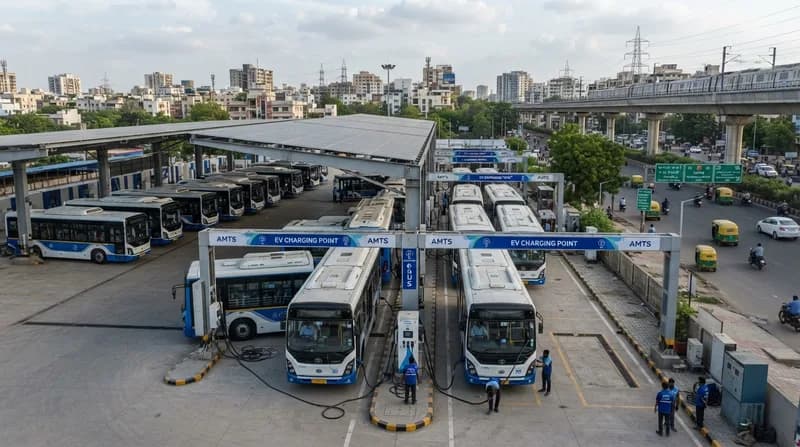
The state of Gujarat, situated in western India, has taken a significant leap forward in its green energy transition by officially deploying 30 new electric buses in its capital city, Gandhinagar. This initiative is part of the broader PM e-Bus Sewa Scheme, a government program launched by the Ministry of Housing & Urban Affairs in 2023 designed to revolutionize urban public transit through electrification.
This latest expansion represents the second phase of Gandhinagar’s commitment to modern, zero-emission transportation. With 40 units already commissioned earlier this summer, the arrival of these 30 additional vehicles brings the city's total fleet count to 70. The fleet is operated and managed by the Gandhinagar Greenline Transport Service Limited (GGTSL), an entity specifically created to oversee the operational efficiency and integration of these electric vehicles into the city's existing transit framework.
Vehicle Specifications and Passenger Experience
The new arrivals are Ecolife e9 midi-buses, manufactured by JBM Buses. These nine-metre vehicles are engineered specifically for urban environments where maneuverability is just as important as capacity. Each bus is designed to comfortably accommodate 38 commuters, with a layout that includes 25 seats and space for 13 standing passengers. To ensure safety and inclusivity, the buses are equipped with features like CCTV surveillance, integrated wheelchair ramps, and passenger information display systems.
Technically, the Ecolife e9 is a robust performer. The vehicles utilize a 212 kW permanent magnet synchronous motor powered by a 210 kWh Lithium Iron Phosphate (LFP) battery pack. This combination provides a reliable operational range of over 200 kilometers on a single charge, making it ideal for the high-frequency demands of city travel. The inclusion of electronic ticketing machines (ETMs) and dedicated seating—including designated areas for women marked by distinct pink covers—underscores the city's focus on user-friendly and inclusive public infrastructure.
Why It Matters: The National E-Bus Roadmap
The deployment in Gandhinagar is merely a drop in the ocean compared to the ambitious national goals set by the Indian government. The PM e-Bus Sewa Scheme intends to deploy 10,000 electric buses across cities with populations up to four million people. For larger metropolitan areas, the government is facilitating even broader adoption through the PM E-Drive Scheme, which targets the deployment of over 14,000 additional electric buses.
For Gujarat, the roadmap is clear. Beyond the 70 buses already active in Gandhinagar, the state plans to integrate another 30 units in the future to reach its local goal of 100 buses. Furthermore, the state has outlined an expansive strategy to distribute 750 electric buses across eight major cities, including Vadodara, Rajkot, and Bhavnagar. This coordinated effort not only lowers the carbon footprint of regional transit but also establishes a reliable supply chain and charging infrastructure that will support India’s long-term environmental targets.