E-BUZZ ME Logo
Electric VehiclesTechnical Deep Dive

Electric Land Rover Defender Delayed By Two Years Amid Market Challenges

Published
EElectricBuzz Editorial Team
Electric Land Rover Defender Delayed By Two Years Amid Market Challenges
2 min read353 wordsElectricBuzz Editorial Team

The Gist

Jaguar Land Rover has pushed back the launch of its all-electric Defender to the early 2030s due to declining EV demand and tariffs affecting production.

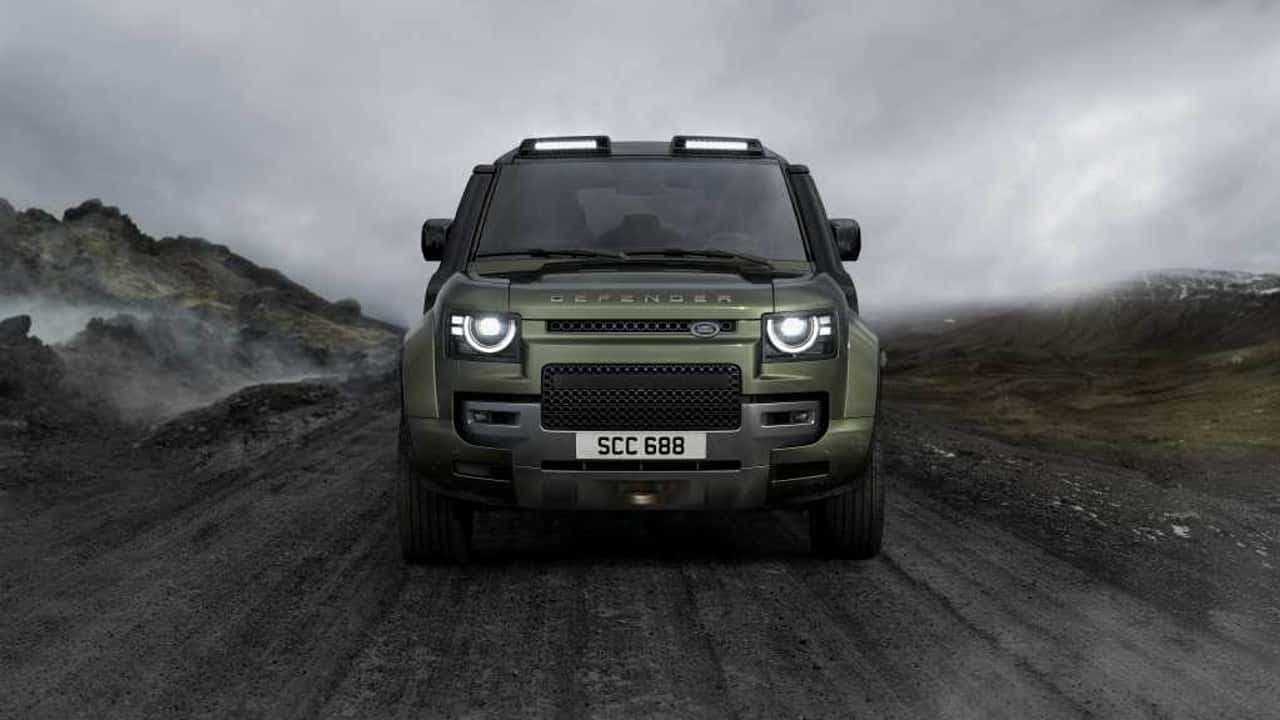
Jaguar Land Rover (JLR) has announced a significant delay in the release of its highly anticipated all-electric Land Rover Defender. Originally scheduled for release sooner, the launch is now targeted for the early 2030s, a notable shift attributed to declining demand for electric vehicles (EVs) in major markets, particularly the U.S. and China.

Sales figures released for the first quarter of fiscal 2027 revealed a 9.2% drop for JLR, underlining the importance of the Defender and other SUV models, which represent a substantial 81% of the company’s overall sales. The downturn in sales, coupled with external factors such as tariffs and production challenges, has prompted the automaker to reassess its launch timeline.

Key Points

  • The new Defender will utilize JLR's Electrified Modular Architecture, incorporating advanced features such as 800-volt electrical systems designed for enhanced performance.
  • The electric Defender is being specifically tailored for compliance with tariffs impacting imported vehicles in key markets like the U.S. and the EU.
  • JLR is also exploring collaboration with Stellantis for a robust body-on-frame platform, positioning the electric Defender for these intricate market conditions.
  • Other electric models, including the Range Rover Electric and Range Rover Sport Electric, are also facing delays, further illustrating the hurdles JLR encounters.
  • Current tariffs stand at 10% for vehicles imported from the U.K. and 15% for those from the EU, aggravating conditions for JLR's U.S. market presence.

These market pressures underscore the broader challenges faced by automakers in the transition to electrification, especially in a climate where consumer demand fluctuates and geopolitical factors play a significant role.

Why It Matters

The delay of the electric Defender is significant not just for JLR, but for the EV market at large. This situation reflects how external variables — like tariffs and market demand — can impede an automaker’s strategy to pivot towards a more sustainable future. As leading brands struggle to navigate these changes, the implications for future product lines and market positioning will likely ripple through the industry for years to come.

The challenges faced by JLR may also lead other manufacturers to rethink their EV strategies, potentially delaying the industry's shift towards electrification.


Related Stories

Semantically matched articles, ranked by topic overlap and freshness.

Thessaloniki Expands Green Transit Fleet with 50 New Yutong E-Buses
Electric Vehicles

Thessaloniki Expands Green Transit Fleet with 50 New Yutong E-Buses

The Greek city of Thessaloniki has officially integrated 50 new electric articulated buses from Yutong into its public transport network, marking a significant milestone in the city's sustainable mobility strategy.

UK EV Market Surges: Electric Powertrains Outpace Gas in Landmark August Shift
Electric Vehicles

UK EV Market Surges: Electric Powertrains Outpace Gas in Landmark August Shift

Electric vehicles have officially become the top-selling powertrain in the UK, capturing a significant 30% market share as policy mandates and shifting consumer preferences drive the transition away from fossil fuels.

Schneider Electric Challenges Tesla With New Smart Home EV Charger
Electric Vehicles

Schneider Electric Challenges Tesla With New Smart Home EV Charger

Schneider Electric has launched a powerful new home EV charger that simplifies energy management by including dynamic load-balancing hardware right out of the box.

Decoding EV Battery Health: How Tesla Models Age Over 100,000 Miles
Electric Vehicles

Decoding EV Battery Health: How Tesla Models Age Over 100,000 Miles

A comprehensive study of 500,000 battery tests reveals how Tesla's popular electric vehicles hold up after nearly 100,000 miles of real-world driving.

UltraTech Cement Accelerates Industrial Decarbonization with 600+ New Electric Trucks
Electric Vehicles

UltraTech Cement Accelerates Industrial Decarbonization with 600+ New Electric Trucks

Cement giant UltraTech is staging a massive shift in logistics, deploying over 600 heavy-duty electric vehicles to slash emissions across its Indian supply chain.

Tesla’s Cybercab Hits Public Roads: A Quiet Evolution in Autonomous Transport
Electric Vehicles

Tesla’s Cybercab Hits Public Roads: A Quiet Evolution in Autonomous Transport

Tesla's steering-wheel-free Cybercab has begun transporting passengers in Austin, marking a major milestone in the shift toward fully autonomous, pedal-free ride-hailing.

Oslo Achieves Global Milestone: 48.8% of Passenger Cars Are Electric
Electric Vehicles

Oslo Achieves Global Milestone: 48.8% of Passenger Cars Are Electric

Oslo has become the world's most electrified city with 48.8% of passenger cars electric, utilizing over 3,500 AC charging plugs as the primary infrastructure rather than fast chargers, enabled by 2020 legislation granting apartment residents the right to install home chargers.

Tesla Cybercab Introduces Brake-By-Wire System Eliminating Traditional Hydraulics
Electric Vehicles

Tesla Cybercab Introduces Brake-By-Wire System Eliminating Traditional Hydraulics

Tesla's robotaxi eliminates brake lines and fluid, using individual electronic actuators at each caliper for the first time in mass production. The innovation reduces costs and enables independent wheel braking control.