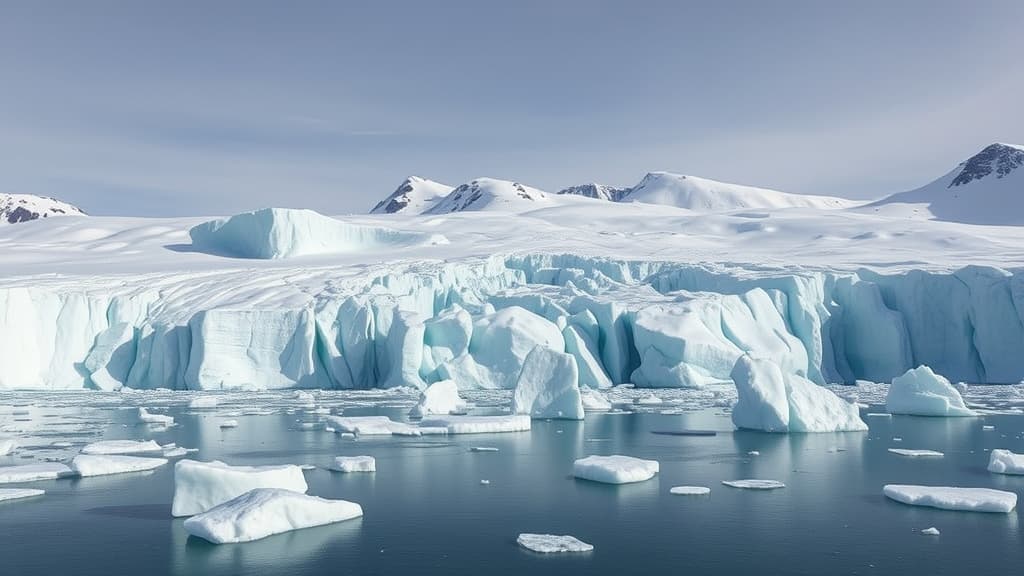
On August 4, 2026, a Manhattan-sized ice island, measuring 76.4 square kilometers, calved from Greenland's Petermann Glacier. This event marks the largest loss of ice from the glacier since 2012. Scientists are now monitoring two additional significant segments of the floating ice tongue, poised to detach soon, which could collectively remove 22 percent of the glacier's total ice tongue.
Why It Matters
This calving is not only pivotal for climate science but also raises concerns about rising sea levels and hazards for shipping in Arctic waters. The enormous ice island, approximately 150 meters thick, provides critical insights into Arctic ice behaviors and the ongoing impacts of climate change.
Key Points
- The ice island’s detachment gives scientists a unique opportunity to analyze changes in Arctic ice dynamics.
- An international team, including researchers from the University of Ottawa and Environment and Climate Change Canada, has been tracking the health of Petermann Glacier since 2019, noting an increase in fracture activity.
- Additional predicted detachments include sections measuring around 94 square kilometers and 84 square kilometers.
- Large ice islands are uncommon in the Arctic compared to Antarctica, making this event significant for understanding global warming's effects.
- The Canadian Ice Service is assessing potential risks posed by the drifting ice to Arctic shipping routes, essential for preventing navigation hazards.
This calving event exemplifies the ongoing changes in polar regions due to climate change, emphasizing the importance of continued monitoring and research.