The Double-Edged Sword of Immunotherapy
Cancer immunotherapy has revolutionized oncology, providing a powerful way for the body to identify and dismantle tumor cells. By utilizing immune checkpoint inhibitors to remove the molecular brakes on the immune system, these treatments have saved countless lives. However, this clinical success comes with a notable drawback: the same unleashed immune power can occasionally turn against healthy tissue. One particularly distressing side effect is the development of inflammatory arthritis, which can cause severe joint pain and swelling.
For a significant portion of patients—estimated between 20% and 50% of those who develop this condition—the joint inflammation is not a one-time event. Instead, the arthritis can return repeatedly, often with increasing intensity. This persistent and worsening condition has long baffled clinicians, but a new study conducted by researchers at the University of Texas MD Anderson Cancer Center and Yale University offers a compelling explanation rooted in immune cell behavior.
The Role of Immune Memory
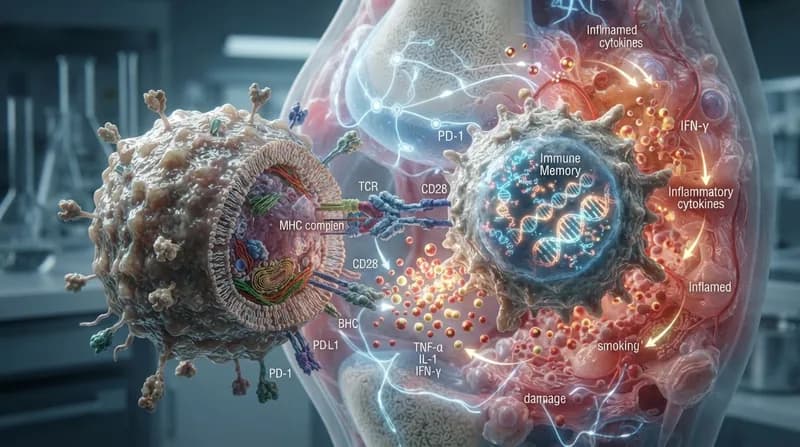
The research, published in Cancer Immunology Research, suggests that this recurring arthritis is driven by a mechanism akin to immune memory. In a typical immune response, the body keeps a record of previous threats, allowing it to respond more rapidly upon re-exposure. The research team analyzed fluid samples from the joints of patients during both their initial arthritis flare and subsequent recurrences. They discovered that the same specific populations of immune cells were present during both events.
Specifically, the study identified two groups of cells: inflammatory CD8 T cells and a unique subset of CD4 T cells characterized by markers known as PD-1 and CXCL13. The presence of these identical cell types during separate episodes indicates that the immune system is not launching a new attack from scratch, but rather reactivating a familiar inflammatory response. This internal memory mechanism explains why the joint inflammation can persist for months or even years after the initial cancer therapy has concluded.
Increasingly Aggressive Flare-Ups
The study also shed light on why these episodes tend to become more severe over time. During recurrent flares, the implicated T cells were observed producing significantly higher levels of inflammatory signaling molecules. Perhaps most surprisingly, the team discovered that regulatory T cells—which are meant to act as the body’s "brakes" to prevent excessive inflammation—began producing inflammatory signals themselves. This suggests that the body's natural safety mechanisms are being co-opted, effectively disabling the "off switch" that should keep the immune response in check.
Why it Matters
- Predictive Biomarkers: Identifying these specific immune cell populations could allow doctors to screen for patients who are at a high risk for recurring joint issues before they occur.
- Targeted Therapy: By understanding the molecular drivers of these flares, researchers can focus on developing treatments that specifically neutralize the inflammatory response while leaving the patient's cancer-fighting T cells untouched.
- Treatment Longevity: This research provides a roadmap for managing autoimmune side effects without forcing patients to discontinue life-saving cancer immunotherapies.
Future Outlook
While the initial study included a small cohort of six patients, the implications for clinical practice are profound. By shifting the perspective on immunotherapy-induced arthritis from a random reaction to a structured, memory-driven immune event, researchers have cleared a path for more personalized medicine. Future investigations will aim to validate these findings in larger groups, ultimately moving toward a future where patients can survive cancer without suffering the debilitating, long-term impact of recurrent joint inflammation.