The End of Total Drive Unit Replacement?
For years, the standard industry protocol for a failing electric vehicle (EV) drive unit has been a complete, expensive replacement of the entire assembly. A single worn bearing or a malfunctioning inverter often forced owners and shops into costly repairs that were disproportionate to the actual damage. Automotive supplier ZF is looking to disrupt this wasteful cycle with its new "Maintain-Repair-Replace" strategy, introducing a comprehensive suite of repair kits designed to restore functionality to electric powertrains rather than discarding them.
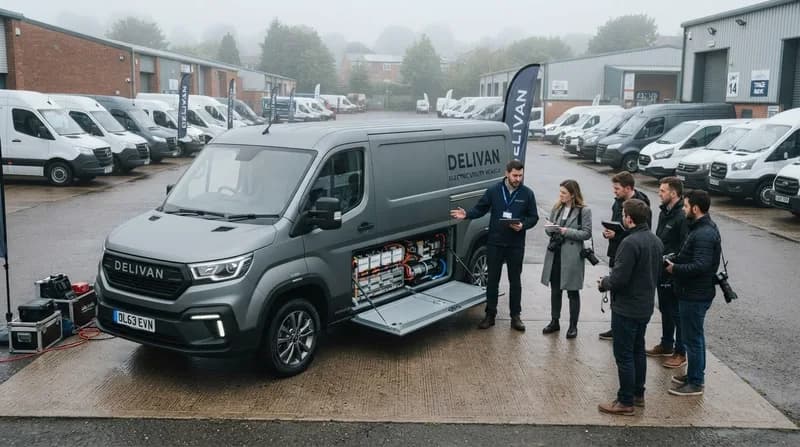
ZF has announced the arrival of over 100 variants of its electric axle repair kits, which are set to hit the market in the coming weeks. By providing specialized parts and corresponding training materials, the company aims to empower independent repair shops to handle internal motor issues. This shift is not just an environmental win; it is a critical step toward lowering the long-term cost of EV ownership, potentially saving consumers thousands in out-of-warranty repair bills.
Repair Kit RD: Focusing on Gearbox Longevity
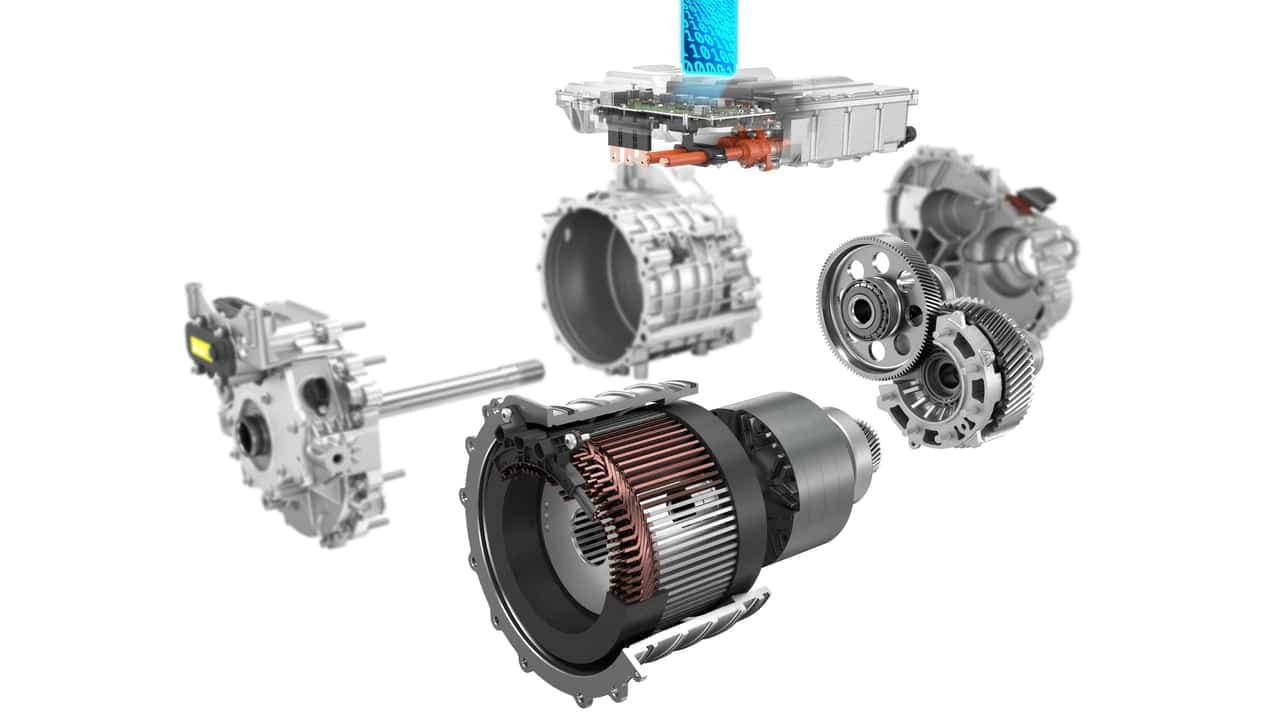
The centerpiece of this new initiative is the "Repair Kit RD," which targets the reduction gearbox in fully electric drive units. These gearboxes are tasked with the critical job of reducing motor speed while multiplying torque to drive the vehicle's wheels. Within these units, high-performance bearings support the rotating shafts, bearing significant stress during operation. In the past, contamination, lubrication loss, or simple mechanical misalignment necessitated the removal and replacement of the entire drive assembly.
With the Repair Kit RD, technicians can now specifically replace the worn bearing components. By addressing the point of failure directly, the motor remains intact, avoiding the need for an expensive overhaul. ZF’s deep expertise—honed by manufacturing over six million electric motors for various global automakers—serves as the backbone for these new aftermarket solutions, ensuring that independent shops can perform these delicate tasks with OEM-grade precision.
Expanding Coverage: Hybrid Modules and Inverters
Beyond pure battery-electric vehicles, ZF is also targeting the complex ecosystems found in modern hybrid vehicles. The company’s new catalog introduces specific kits that address the electronic and mechanical heart of hybrid powertrains. The "Kit EM" is designed to provide comprehensive rotor and stator assemblies specifically for second-generation hybrid modules, allowing for deeper servicing of the electric motor component within the hybrid system.
Furthermore, the initiative addresses the electronic "brain" of the vehicle with "Kit IN" and "Kit ME." Kit IN is tailored for fourth-generation inverters, while Kit ME provides remanufactured fourth-generation mechatronics—the complex units that manage a transmission's electronic and hydraulic control functions. By offering these components as repairable kits, ZF is effectively expanding the service life of hybrid drivetrains, which are notoriously difficult to service once the proprietary electronics begin to degrade.
Why It Matters
- Reduced Waste: By shifting from "replace-all" to "repair-what-breaks," the industry significantly lowers its reliance on raw materials and reduces landfill scrap.
- Lower Maintenance Costs: Targeted repairs are inherently cheaper than replacing major driveline components, lowering the "total cost of ownership" for EV drivers.
- Empowering Shops: Independent garages can now access sophisticated diagnostic and repair tools that were previously reserved for proprietary dealership networks.
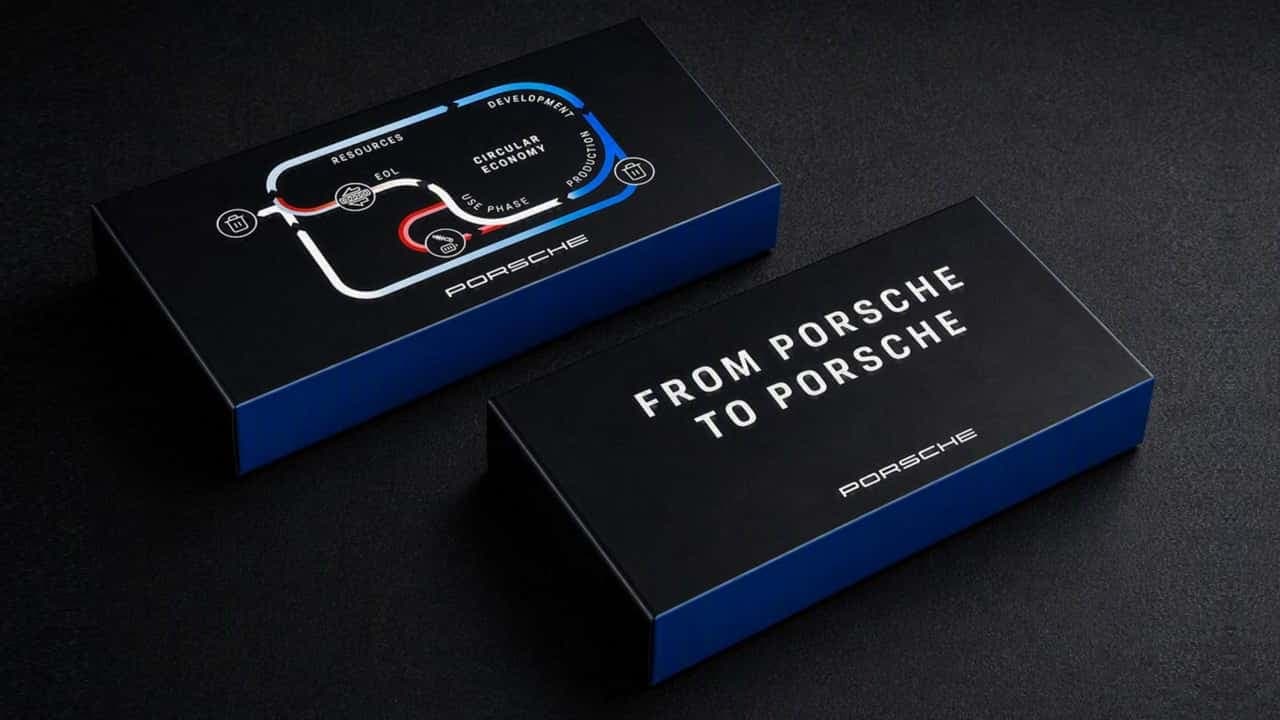
- Sustainability: Extending the life of existing hardware aligns with global goals to increase the circularity of vehicle components and reduce the carbon footprint of the automotive aftermarket.
While ZF has yet to release a detailed roadmap of which vehicle models will be compatible with the initial launch or the specific pricing for these kits, the move represents a necessary maturation of the EV market. As the population of aging electric vehicles continues to grow, the ability to service rather than swap will be the deciding factor in vehicle longevity and consumer confidence.