The End of an Era for Volvo's Pioneer EV
The Volvo EX40, widely recognized as the Swedish automaker’s first mass-produced electric vehicle, has reached the end of its journey in the United States. Originally launched under the XC40 Recharge moniker in 2019, the model served as a crucial bridge for Volvo’s transition to electrification. Its departure marks a broader consolidation of the brand's U.S. electric portfolio, which has also seen the removal of the coupe-styled EC40 and the entry-level EX30.
This strategic move clears the path for a new wave of electric vehicles designed for the modern era. Volvo is actively preparing for the arrival of the EX50, a future entry-level crossover destined to become the new baseline for the company’s stateside EV offerings. By phasing out these legacy electric platforms, Volvo is clearing inventory and development bandwidth to focus on vehicles built on the more advanced SPA3 architecture.
The European Evolution
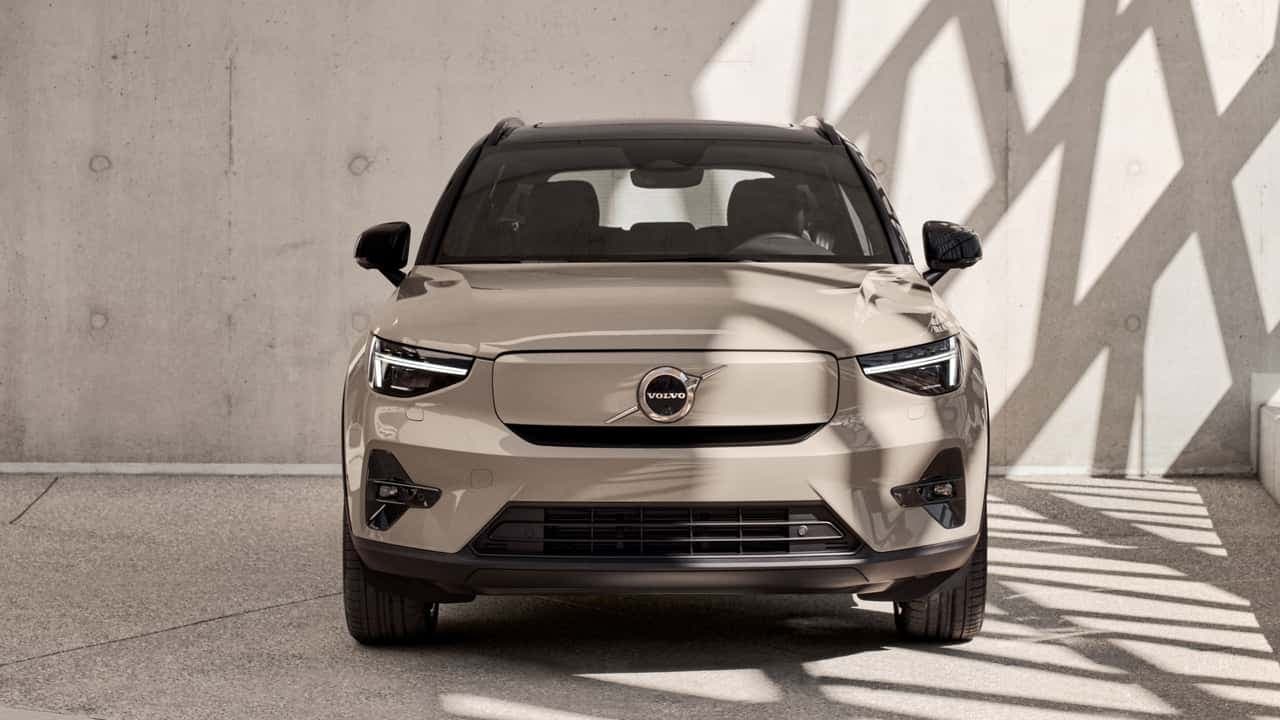
While the U.S. market moves toward discontinuation, European drivers will continue to see the EX40 on the road, albeit in a significantly refreshed form. The latest update introduces a subtle but effective exterior redesign, featuring sharpened LED light signatures, modified bumpers, and a revised front grille. These aesthetic updates aim to align the older model more closely with the brand's newer design language, keeping it relevant against newer competition in the European market.
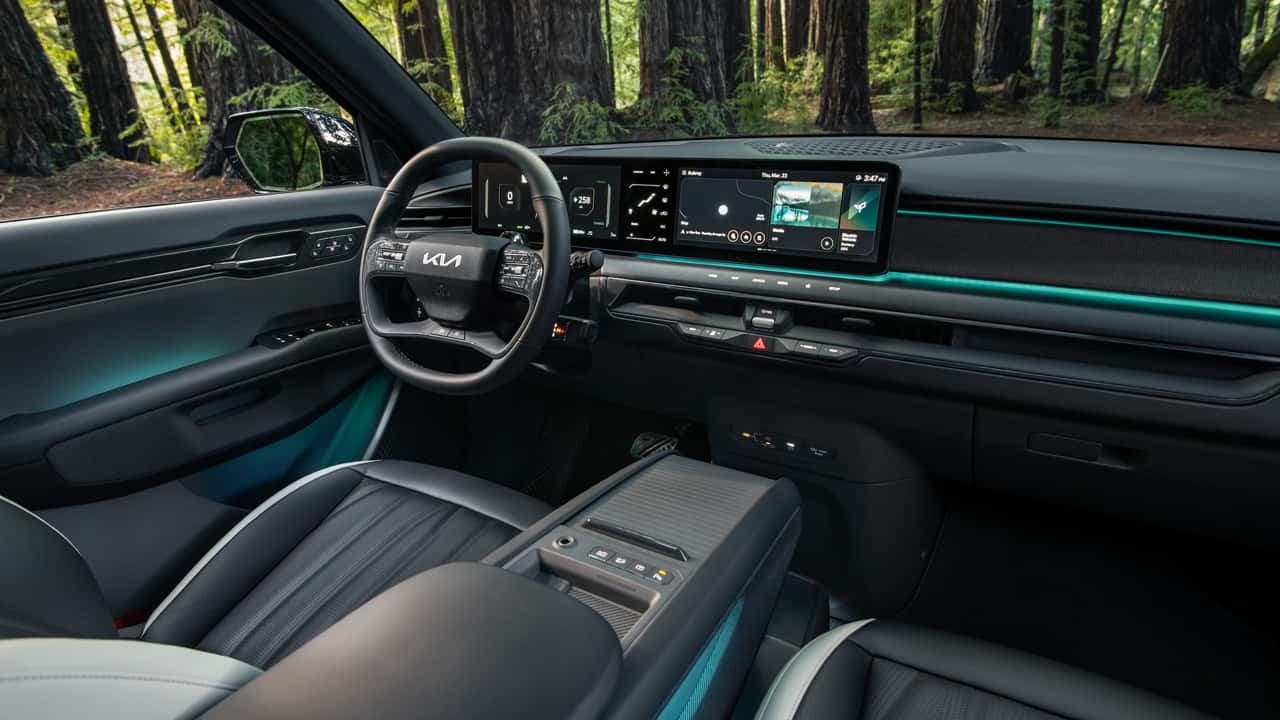
Inside the cabin, the updates are more substantial. A larger 11.2-inch infotainment screen now comes standard, providing a more immersive experience for drivers. Most notably, this interface integrates Google’s new Gemini AI-enabled voice assistant, significantly expanding the vehicle's capability to understand natural language commands. Complementing these software upgrades are higher-quality interior upholstery options and a redesigned wireless charging pad for mobile devices.
Safety and Technical Overhaul
The updated European version of the EX40 received a comprehensive overhaul of its safety suite. Engineers have packed the vehicle with a new sensor array, including upgraded corner radars, a redesigned front-facing camera, and twelve additional ultrasonic sensors. This hardware upgrade facilitates the introduction of sophisticated safety functions, such as the new Door Opening Alert, which utilizes exterior sensors to detect approaching cyclists or traffic, preventing potential collisions during ingress and egress.
Technically, the vehicle continues to offer a variety of powertrain configurations. Depending on the chosen trim, customers can select between rear-wheel drive or dual-motor all-wheel drive systems. Battery management has also seen improvements, with the lineup utilizing high-capacity packs capable of 205-kilowatt fast charging in the higher-tier P8 variants. While the WLTP cycle suggests a range reaching up to 356 miles for the longest-range configurations, the primary focus remains on the vehicle's ability to integrate into a modern, data-driven ecosystem.
Why It Matters
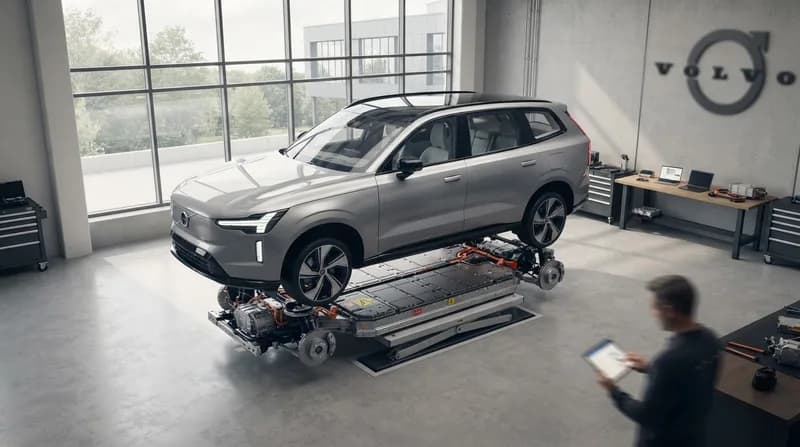
The exit of the EX40 from the American market is a signal of the accelerating pace of the EV transition. Volvo’s commitment to the upcoming SPA3 platform, which already powers the impressive EX60, indicates that the automaker is prioritizing software-defined vehicle architectures. With expectations for the sub-$50,000 EX50 to arrive by 2027, Volvo is positioning itself to compete more aggressively in the mass-market crossover segment, favoring newer, more efficient designs over retrofitted combustion platforms.