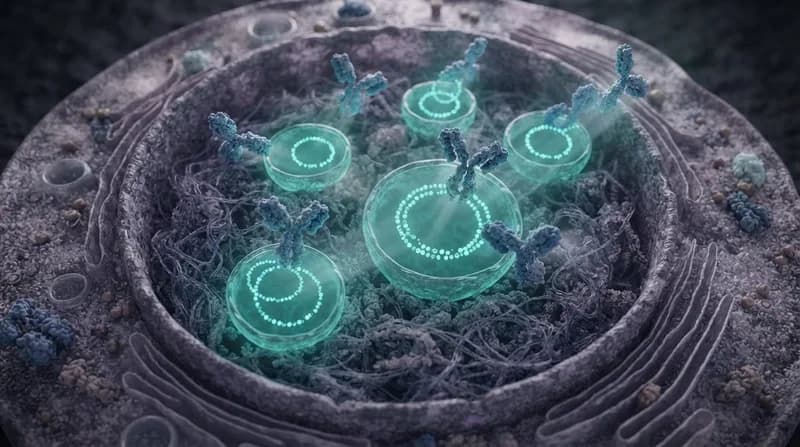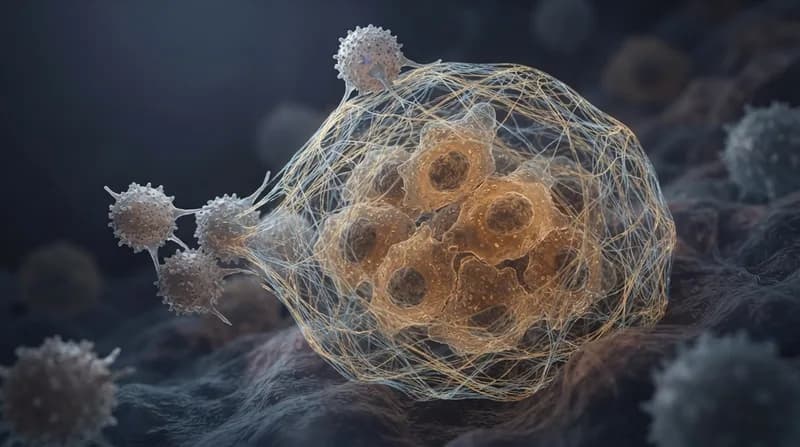
Researchers at Yale University have made a significant breakthrough in understanding the progression of Parkinson’s disease. The study identifies two specific proteins located on the surface of neurons that appear to act as facilitators for the spread of alpha-synuclein, the toxic protein associated with the neurodegenerative condition.
A New Mechanism for Disease Progression
Parkinson’s disease is characterized by the accumulation of misfolded proteins that move from one area of the brain to another, leading to worsening symptoms over time. The Yale team discovered that by blocking these two newly identified surface proteins in mouse models, they could dramatically slow down the transmission of these toxic aggregates.
Potential for Future Therapies
The findings suggest that these proteins could serve as critical targets for future drug development. By inhibiting the pathway these proteins provide, clinicians might eventually be able to halt or significantly reduce the disease's progression in human patients. While the research is currently in the early stages involving animal models, it provides a promising roadmap for slowing a disease that has long been considered difficult to contain.