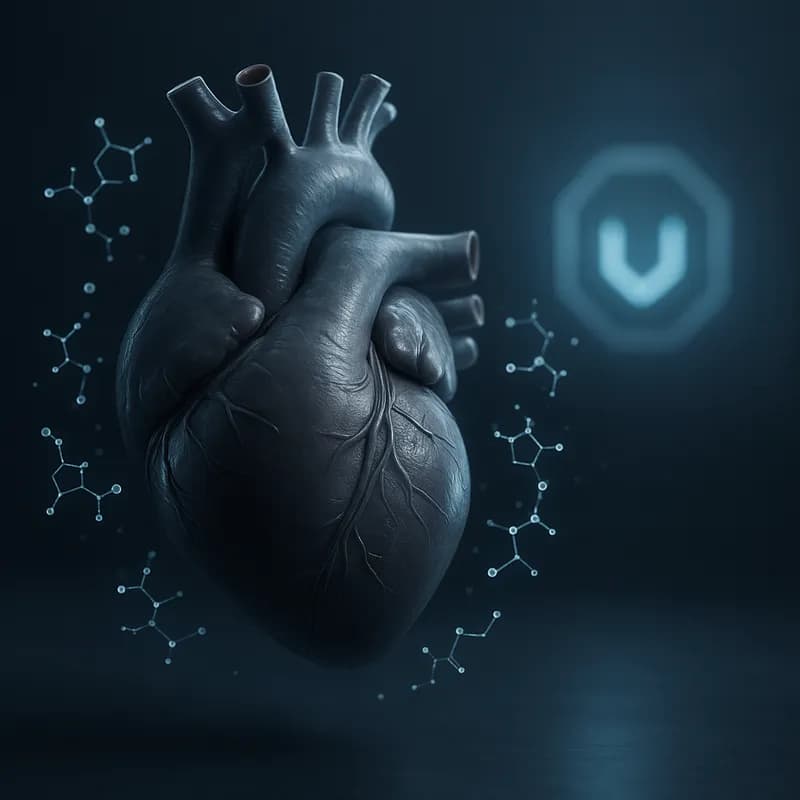
Scientists at Columbia University have identified a surprising connection between serotonin and the acceleration of heart valve disease. The research focuses on degenerative mitral regurgitation, a common condition where the heart's mitral valve does not close properly, allowing blood to flow backward.
The Role of SSRIs and Genetics
The study suggests that the chemical serotonin—widely recognized for its role in mood stabilization—can inadvertently speed up valve damage in certain individuals. Specifically, the findings highlight a heightened risk for patients who take Selective Serotonin Reuptake Inhibitor (SSRI) antidepressants while carrying a specific genetic variant.
For this subset of patients, the increased levels of serotonin in the bloodstream appear to promote the thickening and deformation of the heart valve tissue. This accelerated progression may lead to severe valve dysfunction much earlier than expected, potentially necessitating surgical intervention at a younger age.
Implications for Future Treatment
While SSRIs remain a vital treatment for depression and anxiety, this discovery underscores the importance of personalized medicine. Researchers hope that identifying these genetic markers will allow clinicians to better monitor at-risk patients and develop targeted therapies that protect heart health without compromising mental health treatment.