E-BUZZ ME Logo
ScienceTechnical Deep Dive

The Secret Behind Gold's Eternal Shine Finally Revealed

Published
The Secret Behind Gold's Eternal Shine Finally Revealed
1 min read157 words

The Gist

Researchers have discovered that gold atoms reorganize into protective patterns that block oxygen, explaining why the metal never tarnishes.

For centuries, gold has been prized for its ability to maintain a brilliant shine while other metals succumb to rust and corrosion. Scientists have finally uncovered the mechanism behind this resilience, discovering a high-tech "self-defense system" occurring at the atomic level.

Atomic Reorganization

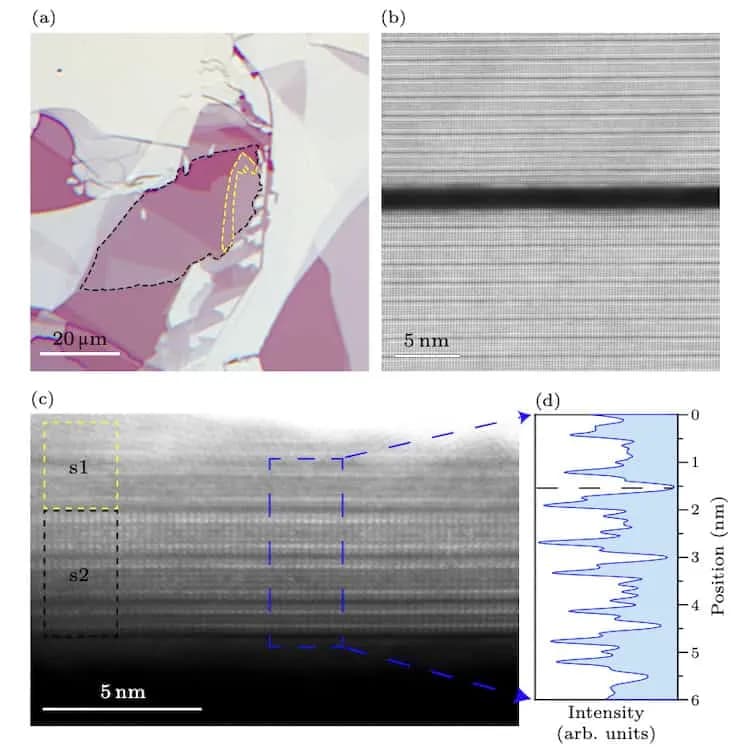
New research reveals that atoms on the surface of gold undergo a unique reorganization process. Instead of remaining static, they arrange themselves into specific patterns that act as a physical barrier. This structural shift effectively blocks oxygen molecules from reacting with the underlying metal, suppressing the natural process of oxidation by a factor of up to one trillion.

Implications for Clean Energy

While this explains why gold jewelry remains bright for generations, the discovery has significant implications for industrial science. Understanding this protective barrier could allow researchers to develop more efficient gold-based catalysts. These advancements are expected to play a crucial role in chemical manufacturing and the development of more effective clean energy technologies.
Related Stories

Semantically matched articles, ranked by topic overlap and freshness.

Sweden Explores Rare Earth Deposits to Challenge Global Supply Dominance
Science67%

Sweden Explores Rare Earth Deposits to Challenge Global Supply Dominance

Researchers are mapping Sweden's mineral wealth to create magnets from natural element combinations, aiming to reduce reliance on Chinese exports.

Self-Repairing Bio-Textiles: Scientists Create Clothing From Living Fungi
Science67%

Self-Repairing Bio-Textiles: Scientists Create Clothing From Living Fungi

Researchers have developed a revolutionary biodegradable textile using the parasitic fungus Cordyceps militaris that can clean and repair itself.

Sulfur-Based Compound Identified as Potential Breakthrough for Aging Muscle Repair
Science66%

Sulfur-Based Compound Identified as Potential Breakthrough for Aging Muscle Repair

Researchers have discovered a compound named LASSS that protects proteins essential for muscle recovery, offering hope for combating age-related muscle loss.

New Experimental Antiviral Pill Shows Promise in Halting Measles Transmission
Science65%

New Experimental Antiviral Pill Shows Promise in Halting Measles Transmission

A breakthrough antiviral treatment has successfully prevented the spread of a measles-like virus in animal trials, offering a potential new tool to contain future outbreaks.

New Class of Magnons Exhibits Hundred-Fold Increase in Lifespan
Science65%

New Class of Magnons Exhibits Hundred-Fold Increase in Lifespan

A breakthrough discovery of long-lived magnons could pave the way for scalable, nanoscale quantum information technologies on-chip.

Longevity-Linked APOE2 Gene Found to Shield Brain from Aging and Alzheimer’s
Science63%

Longevity-Linked APOE2 Gene Found to Shield Brain from Aging and Alzheimer’s

Researchers have discovered that the APOE2 gene variant protects neurons by reducing DNA damage and enhancing stress recovery, offering a potential blueprint for new Alzheimer’s therapies.

AI Aids Stanford Researchers in Discovering Natural Weight Loss Molecule
Science62%

AI Aids Stanford Researchers in Discovering Natural Weight Loss Molecule

Stanford scientists have identified a natural molecule that mimics the weight-loss effects of Ozempic with fewer side effects by targeting specific brain regions.

New Giant Salamander Species Identified from 3.5-Million-Year-Old Japanese Fossils
Science61%

New Giant Salamander Species Identified from 3.5-Million-Year-Old Japanese Fossils

Researchers have identified a new genus and species of giant salamander, Limnospondylus ajimuensis, from fossils originally discovered over two decades ago.