Scaling Inductive Power for a Wired-Free World
Wireless charging technology is taking a significant step toward mass commercialization as WiTricity, the industry leader in magnetic resonance inductive charging, announced the opening of a dedicated development and testing laboratory in Stuart, Florida. This facility represents a strategic push to move beyond theoretical research and into the practical, high-volume integration of wireless energy transfer across diverse vehicle platforms. By creating a dedicated environment for testing, the company aims to bridge the gap between prototype tech and seamless, consumer-ready hardware.
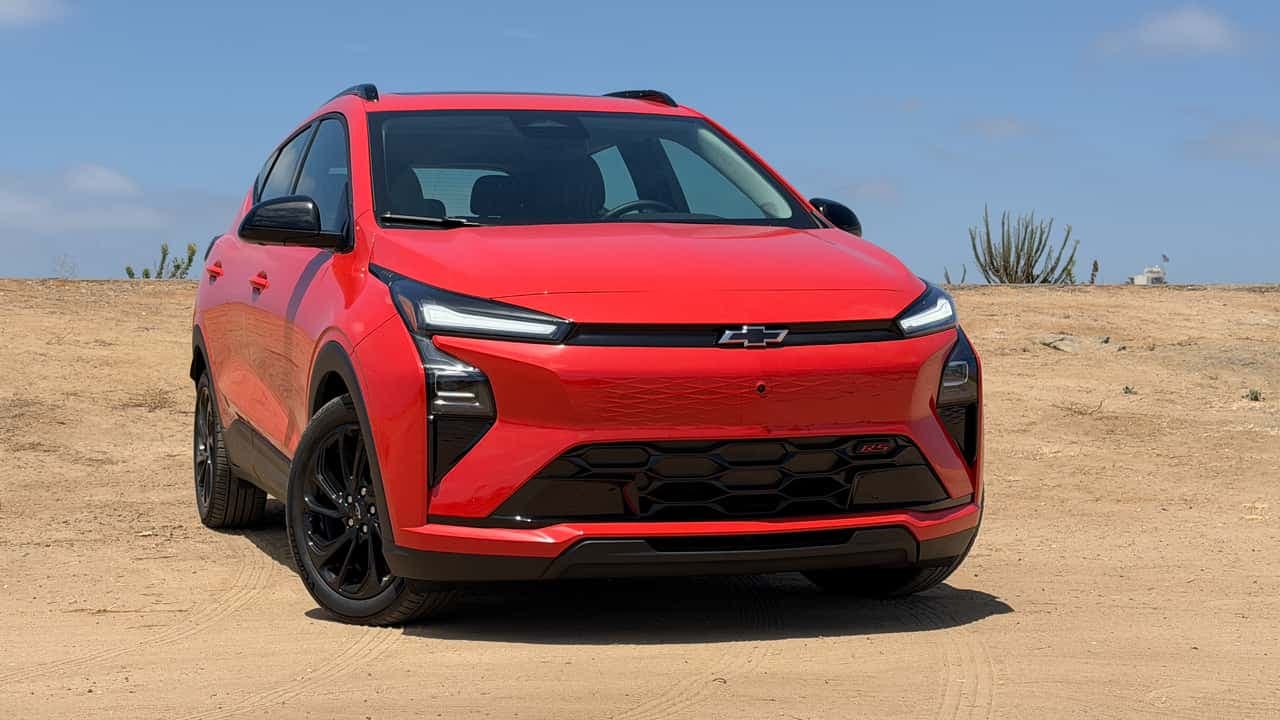
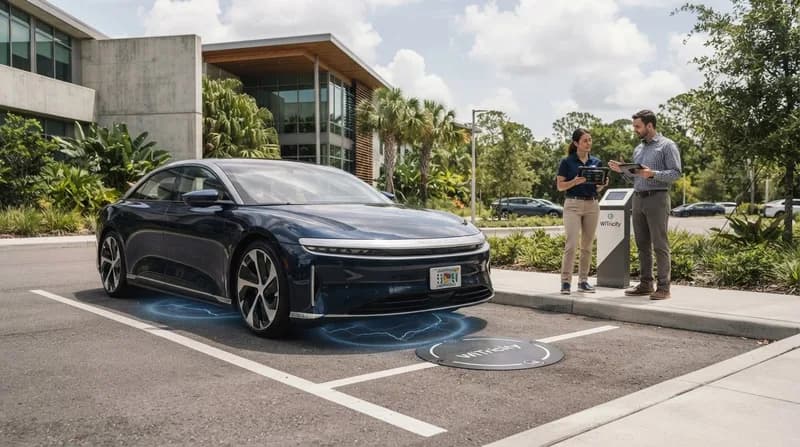
The laboratory is specifically engineered to handle a broad spectrum of power requirements, ranging from 7.2 kW for standard consumer passenger cars to heavy-duty applications reaching 50 kW and beyond. The technical core of this system remains the same: a receiver module mounted to a vehicle’s undercarriage paired with a ground-based charging pad. Through magnetic coupling, energy is transferred wirelessly, effectively removing the human element from the refueling process. While the company has previously demonstrated this tech on popular consumer models like the Ford Mustang Mach-E and Tesla Model 3, this new site is designed to help automakers and Tier 1 suppliers integrate the hardware directly into their production cycles.
Why it Matters: The Robotaxi Catalyst
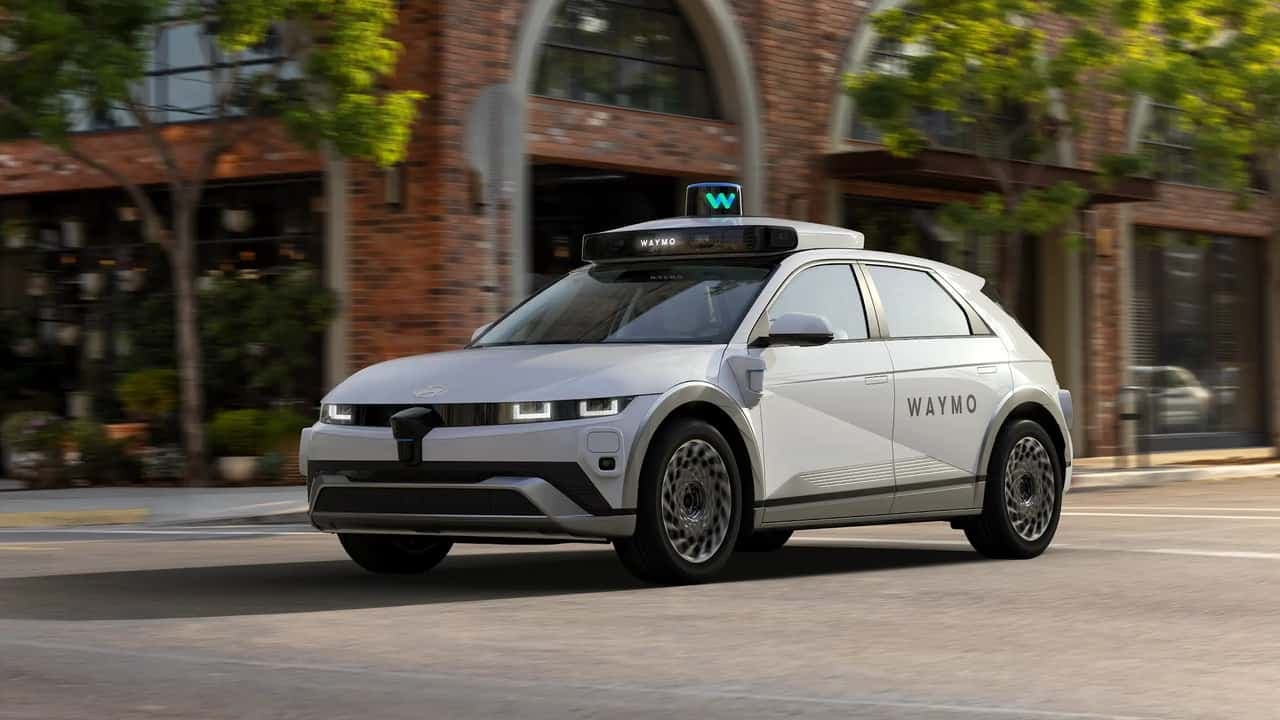
The implications of this move extend far beyond individual car owners. For the autonomous vehicle and robotaxi industry, the human necessity of plugging in a charging cable is a major operational bottleneck. If a fleet of driverless taxis must be manually plugged in, the labor costs negate the efficiency of the autonomous tech. Inductive charging offers the perfect solution: a vehicle simply pulls over a parking spot equipped with a ground pad, and the battery begins to top up automatically. By focusing on fleets and logistics, WiTricity is positioning itself as an essential infrastructure player for the future of urban mobility.
- Adaptability: The new lab will focus on tailoring charging systems to unique vehicle geometries and specific chassis constraints.
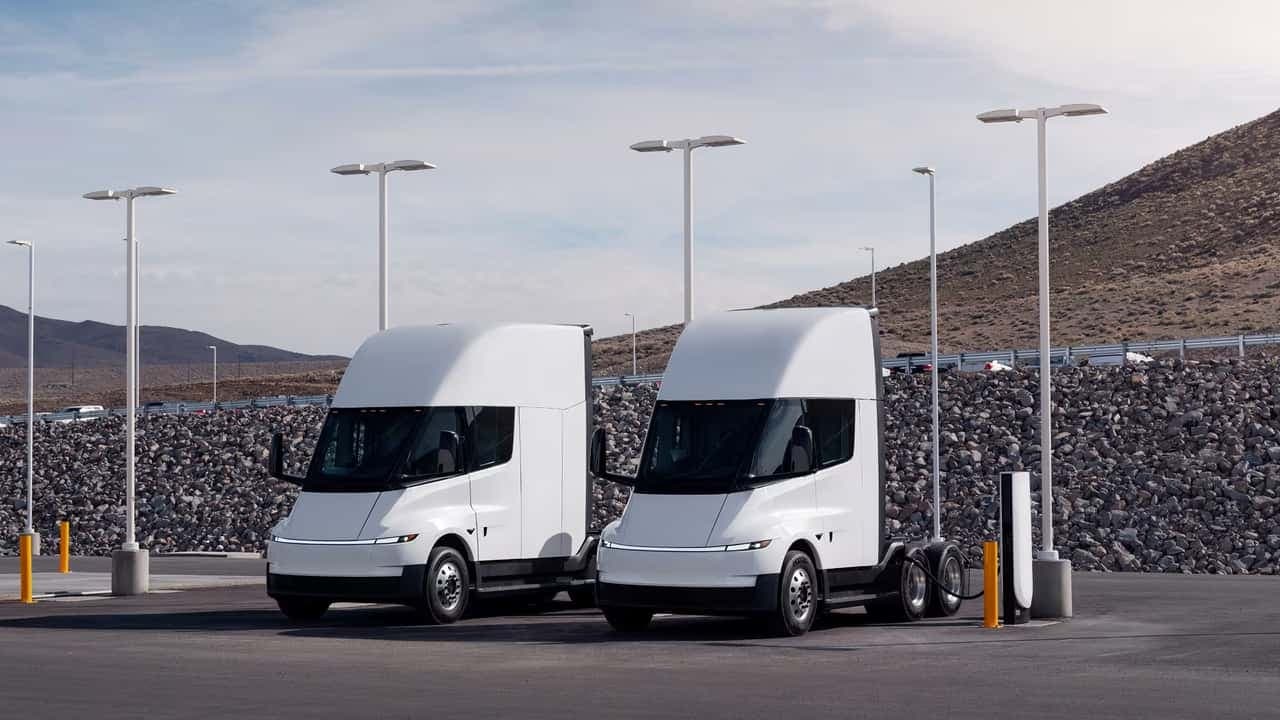
- Range of Power: Testing will accommodate everything from light electric vehicles and golf carts to heavy-duty machinery used in ports and logistics hubs.
- Seamless Integration: The facility aims to simplify the partnership process for automakers looking to offer wireless charging as a factory-installed option.
The Path to Commercialization
WiTricity’s expansion into this Florida hub marks a transition in their business strategy from pure innovation to operational scale. CEO Joe Benz has framed the push as a necessity for modern commerce, arguing that for electric mobility to become truly ubiquitous, charging must move away from a conscious, intentional act toward a passive, "background" routine. While the company has kept specific details regarding investment figures and production volumes under wraps, the launch of a dedicated testing site is a clear signal that they are preparing for a wave of new industry-wide partnerships. By demonstrating that high-wattage inductive charging is both durable and efficient enough for continuous use in heavy-duty or fleet environments, the company is attempting to standardize a technology that could fundamentally redefine the convenience of electric driving in the coming years.