The Arrival of Autonomous Mobility in Sin City
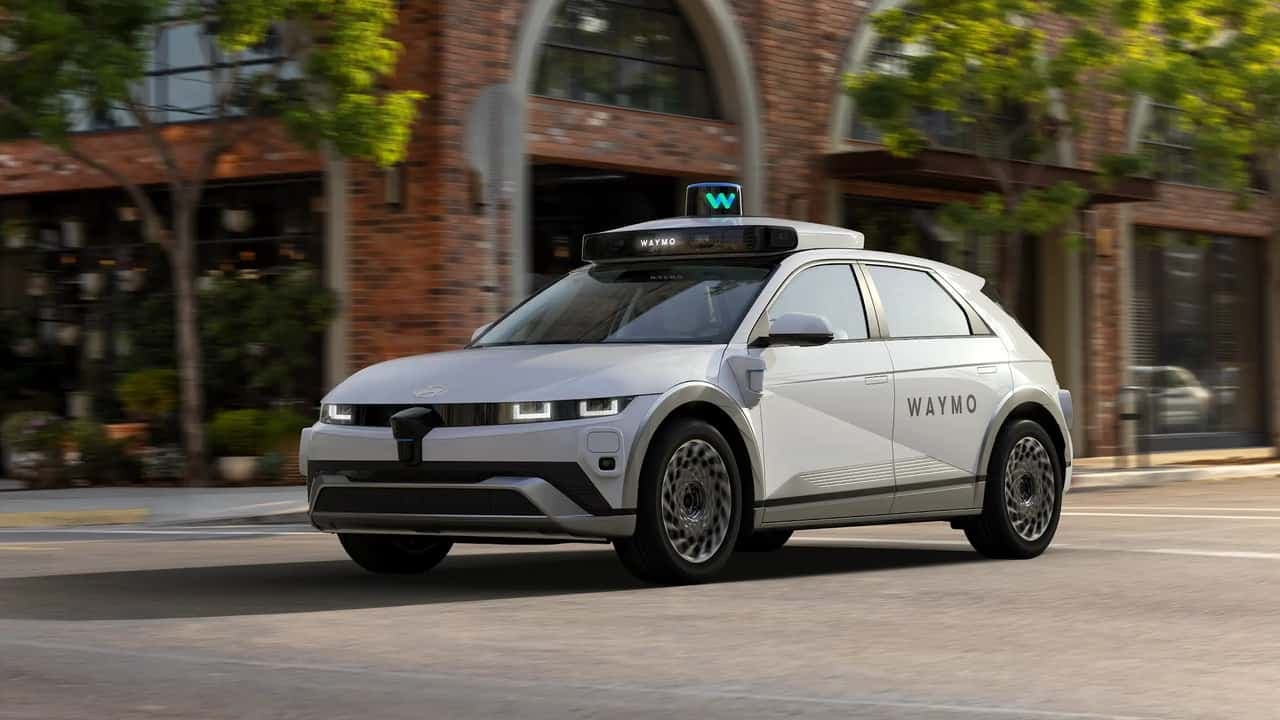
Waymo is aggressively scaling its footprint across the United States, adding Las Vegas to its growing list of operational hubs. Known for its sophisticated suite of sensors and machine learning algorithms, the Alphabet-backed company is positioning itself to handle the unique transportation demands of the Las Vegas Strip and its surrounding neighborhoods. Residents and tourists will soon have the ability to hail rides via the Waymo app, connecting them to iconic locations ranging from the Sphere to Allegiant Stadium.
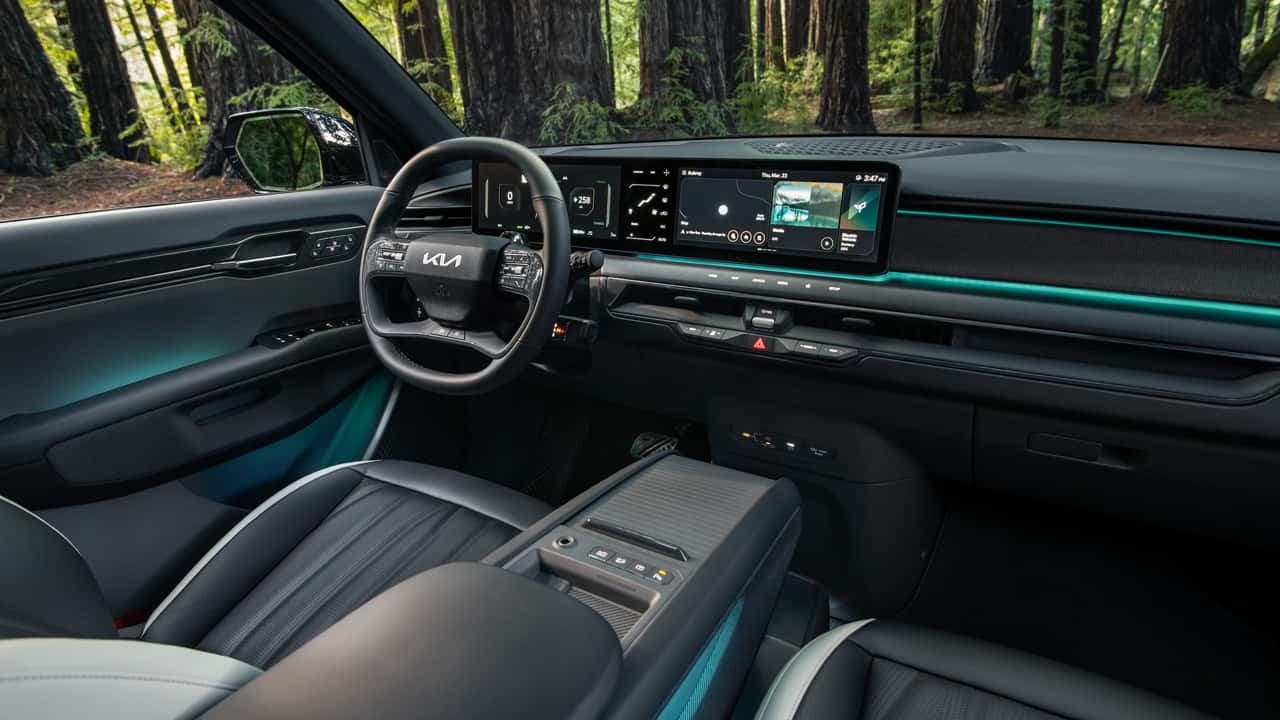
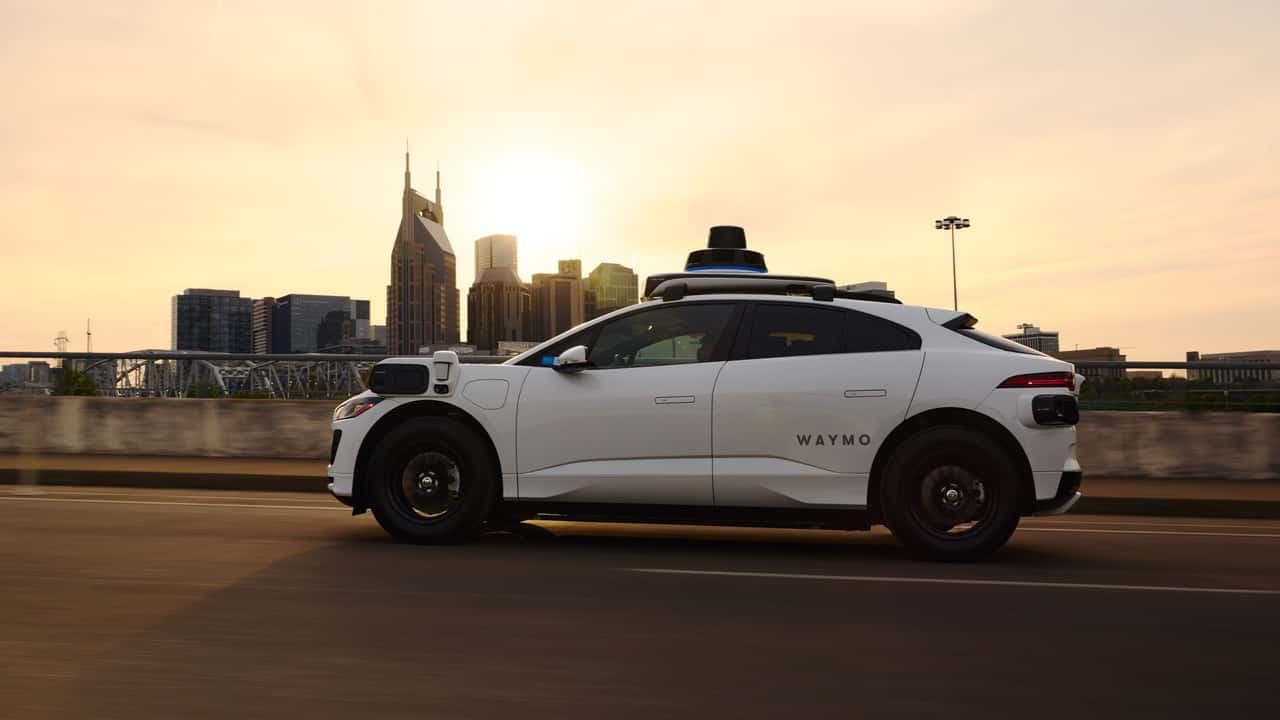
This expansion leverages the company’s specialized "Waymo One" vehicle platform—a purpose-built, all-electric van engineered by Zeekr. Designed specifically for autonomous ride-hailing, the vehicle prioritizes passenger comfort and interior ergonomics, creating a lounge-like experience that removes the need for a human operator. The move into Nevada aligns with the city’s broader initiative to embrace modern urban mobility, as echoed by local officials who see autonomous technology as a pathway toward safer and more efficient transit options for patrons and residents alike.
Why It Matters
- Operational Scale: Las Vegas joins a rapidly growing list of major urban centers—including Nashville, Denver, and San Diego—that have integrated Waymo into their transit ecosystems.
- Strategic Competition: By entering the Nevada market, Waymo enters direct competition with incumbent autonomous operators like Zoox, turning the city into a critical testing ground for market dominance.
- Infrastructure Integration: The integration is bolstered by municipal support, with local leadership framing the deployment as a key strategy for maintaining the city's status as a hub for forward-looking infrastructure and tourism.
Technical Sophistication and Future Outlook
While the company has yet to release a detailed map of the specific operational design domain (ODD) for the Las Vegas rollout, it is expected to follow the company’s phased approach to geographic scaling. This typically begins with specific service zones before expanding into broader suburban and high-traffic areas. The Zeekr-based vans are equipped with an array of lidar, radar, and cameras that provide a 360-degree, long-range view of the environment, allowing the vehicle to navigate complex intersections and high-density tourist traffic with precision.
Looking ahead, Waymo’s ability to successfully navigate the highly unique traffic patterns of Las Vegas will serve as a bellwether for its ability to operate in other major, high-tourism urban environments. As the company continues to collect cities like "Infinity Stones," the broader goal remains the standardization of driverless travel. With the backing of robust hardware and a maturing software stack, the transition from novelty to utility for autonomous ride-hailing services appears to be accelerating faster than industry analysts previously predicted.