The Missing Pieces in the Alzheimer's Puzzle
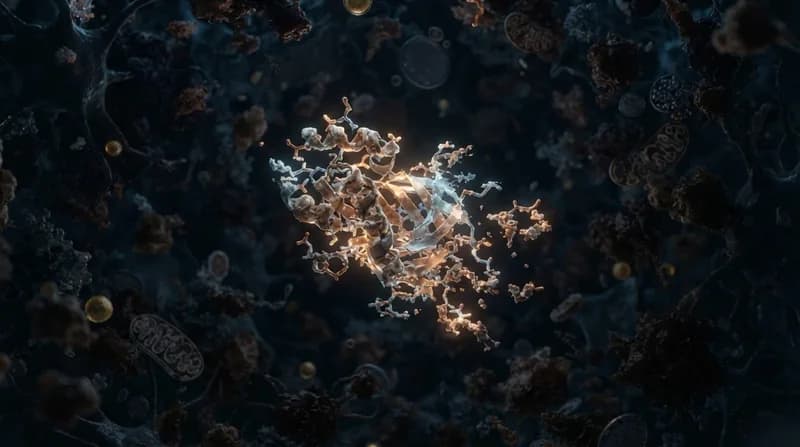
For decades, neuroscientists studying Alzheimer's disease have operated with an incomplete map of the human brain's molecular machinery. While our understanding of traditional proteins is vast, a class of smaller molecules known as microproteins has remained largely in the shadows, overlooked by standard research methods. A major breakthrough from the Salk Institute, published in Nature Aging, has finally brought these elusive players to the forefront, providing a new comprehensive atlas that could fundamentally shift how we approach neurodegeneration.
Led by Professor Alan Saghatelian, the research team utilized a sophisticated combination of AI-driven analysis and mass spectrometry to identify over 1,000 previously uncharacterized microproteins. By examining 480 human frontal cortex samples—representing both healthy brains and those affected by Alzheimer's—scientists have created a resource that effectively expands the genetic "playbook" researchers use to combat disease.
The Power of AI-Driven Discovery: The ShortStop Tool
The creation of this atlas was not a manual task of trial and error but a triumph of computational biology. The team deployed an AI-powered tool known as ShortStop, originally developed in the Saghatelian lab in 2025. By re-analyzing existing transcriptomic and mass spectrometry datasets from nearly 500 brains, the tool could sift through vast quantities of genetic code to flag potential microprotein signatures that traditional methods had missed.
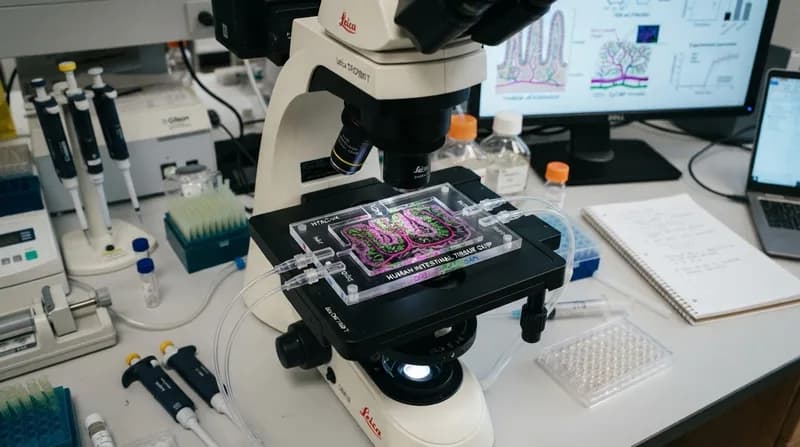
To ensure the accuracy of these computational predictions, the team utilized mass spectrometry, a high-precision technique that detects the actual building blocks of these proteins, known as peptides. The correlation between the AI-predicted targets and the physical evidence confirmed the existence of 1,067 unique microproteins. This validation is critical, as it provides the scientific community with a reliable, downloadable database to investigate gene function with unprecedented clarity.
Implications for Microglia and Mitochondrial Health
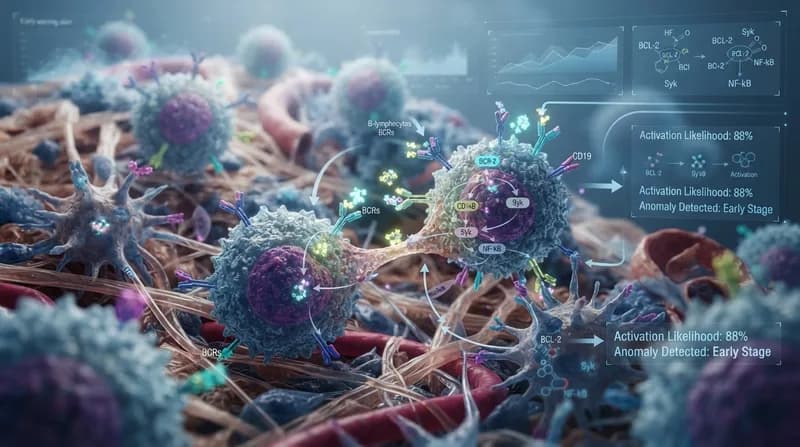
The research extended beyond mere identification, diving deep into how these microproteins behave within specific cellular environments. A significant focus was placed on microglia—the brain's resident immune cells—which are known to degrade in function as Alzheimer's progresses. The team discovered that in certain genetic regions, microglia prioritize the production of a microprotein over the traditional protein, highlighting a specific regulatory mechanism at play.
When researchers experimentally silenced the gene responsible for a particular microprotein in these immune cells, they observed a catastrophic impairment in the cells' mitochondria, the powerhouses responsible for energy production. This finding suggests that these microproteins are not just biological noise; they are active, functional components of cellular health. Identifying these links provides a clear path for future drug development: if scientists can protect or restore the expression of these vital microproteins, they may be able to prevent the microglial dysfunction that drives Alzheimer's pathology.
Why It Matters
- Expanded Toolkit: The atlas adds over 1,000 new biological targets for researchers to investigate, moving beyond the well-trodden paths of traditional protein research.
- Precision Medicine: By understanding the differential expression of these proteins, therapies could eventually be tailored to correct specific molecular imbalances in the brain.
- AI Integration: The use of the ShortStop tool demonstrates how repurposing existing biological data with modern machine learning can yield high-value discoveries without the need for endless, redundant testing.
As the scientific community begins to utilize this new atlas, the hope is that these "hidden" proteins will lead to the next generation of diagnostics and treatments. Every new microprotein identified is essentially a new play in the playbook of cellular biology, offering researchers more strategic options to halt, or potentially reverse, the progression of neurodegenerative decline.