A New Frontier in Immunotherapy Monitoring
Immune checkpoint inhibitors (ICIs) have revolutionized the treatment of advanced cancers, offering patients a powerful new way to leverage their own immune systems to combat malignancies. However, this therapeutic efficacy comes with a significant caveat: the risk of immune-related adverse events. Among the most challenging of these is colitis, a debilitating inflammation of the colon lining characterized by severe abdominal pain, persistent diarrhea, and internal bleeding. Currently, clinical teams lack effective screening methods to predict which patients are susceptible to this complication before symptoms arise.
A recent study led by researchers at The University of Texas MD Anderson Cancer Center, and published in the journal Cell Reports, has provided a breakthrough by identifying a previously unrecognized role for B cells in this inflammatory process. The study indicates that B cell dysregulation serves as a primary driver, triggering an inflammatory cascade that often precedes the onset of clinical symptoms. This discovery paves the way for the development of blood-based biomarkers capable of flagging high-risk patients long before they experience physical distress.
The Role of B Cells in the Inflammatory Cascade
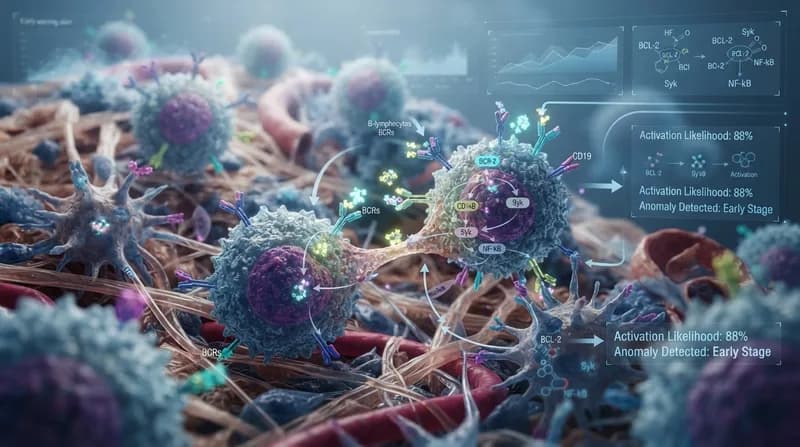
The research team, led by Dr. Roza Nurieva, discovered that patients with elevated B cell levels prior to initiating ICI therapy faced a substantially higher risk of developing treatment-induced colitis. By utilizing preclinical models, the investigators were able to observe the sequence of immune activation. Their findings demonstrate that B cell activation occurs early, acting as a precursor to the expansion of inflammatory T cells that ultimately cause the tissue damage associated with colitis.
Crucially, the research revealed that B cells do more than just start the fire; they also act as catalysts for sustained inflammation by directing the migration of additional immune cells into the colon. When the researchers depleted B cells in experimental models prior to treatment, they observed a significant reduction in both intestinal tissue damage and the aggressive T cell response. This suggests that B cells are not just bystanders but are active participants in the pathology of immunotherapy-related gastrointestinal side effects.
Microbiome Influence and Future Preventive Strategies
Beyond the identification of B cells as a predictive marker, the study explored the role of the gut microbiome in this process. Researchers found that preclinical models susceptible to colitis exhibited distinct alterations in their gut bacteria, which correlated with the abnormal activation of B cells. In a promising step toward clinical application, the team employed fecal microbiota transplantation (FMT) to restore a healthier bacterial balance. This intervention successfully decreased the severity of colitis and curtailed the associated inflammation.
These findings provide a two-pronged approach for future clinical practice. First, clinicians could utilize blood-based B cell measurements as a diagnostic tool to stratify patient risk before commencing cancer treatment. Second, the potential for modulating the gut microbiome or targeted B cell inhibition opens new avenues for prophylactic interventions, aiming to prevent the development of colitis entirely, thereby ensuring patients can continue their life-saving immunotherapy treatments without interruption.
Why It Matters
- Predictive Capability: Blood-based biomarkers could shift oncology from reactive to proactive, identifying risk before symptoms occur.
- Treatment Continuity: Minimizing severe side effects prevents the frequent pausing or discontinuation of essential cancer therapies.
- Therapeutic Innovation: Targeting B cells or the gut microbiome could provide new ways to mitigate toxicity in immunotherapy protocols.