The Hypothalamic Connection
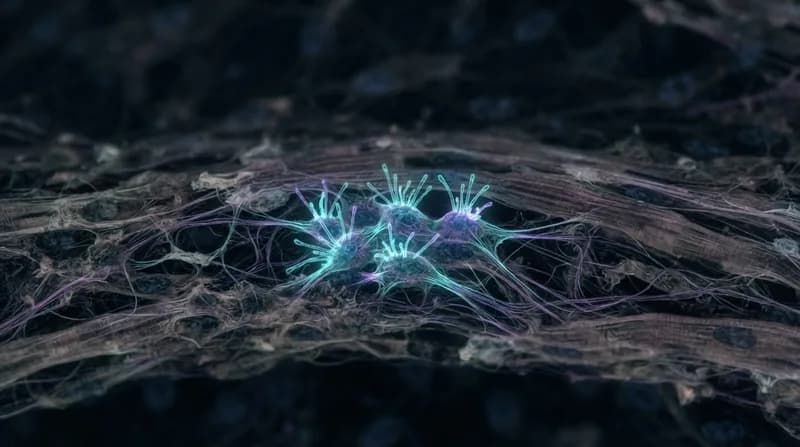
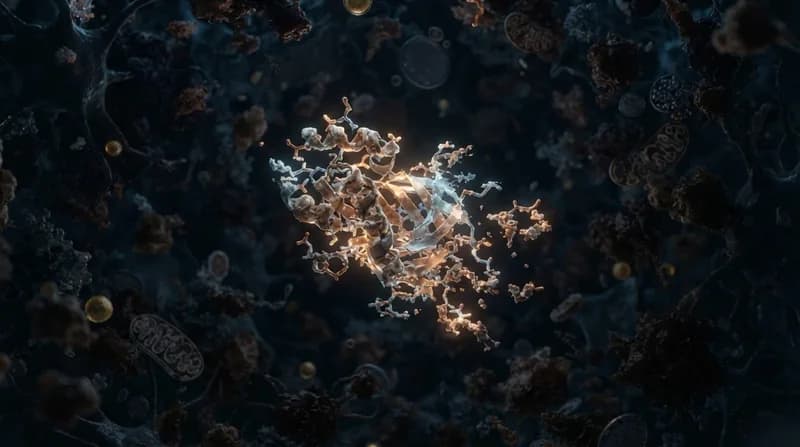
Scientists have long sought the "master switch" of the aging process, and recent research is pointing toward a surprisingly small area of the brain: the hypothalamus. As the control center for metabolism and internal regulation, the hypothalamus appears to act as a command hub that influences the aging of tissues throughout the entire body. A pivotal discovery centers on a protein known as Menin, which has been identified as a critical guardian against the inflammatory processes that escalate as organisms grow older.
In studies involving mice, researchers observed that Menin levels naturally decline within specific neurons of the ventromedial hypothalamus as age advances. When scientists genetically engineered mice to lose this protective protein, the animals exhibited accelerated physical deterioration, including thinner skin, reduced bone mass, and significant cognitive decline. This suggests that the depletion of Menin is not merely a byproduct of aging, but a potential driver of the systemic decay that defines it.
Restoring Vitality in Older Models
The most compelling aspect of the research lies in the ability to partially reverse these aging markers. By delivering the gene for Menin directly into the hypothalamus of elderly mice, researchers triggered a renewed production of the protein. Within thirty days of the intervention, the treated mice showed tangible improvements in physical health, including increased bone density and thicker skin. Furthermore, their cognitive functions—such as memory and balance—showed measurable gains, suggesting that the brain can, in some capacity, reset its influence over the aging body.
The D-Serine Pathway
Beyond Menin, the research highlighted the role of D-serine, an amino acid essential for communication between brain cells. The study found that Menin helps regulate the enzymes responsible for D-serine production. In mice suffering from Menin deficiency, D-serine levels plummeted, disrupting the synaptic plasticity required for learning and memory. Direct supplementation of D-serine in drinking water yielded cognitive improvements, though it failed to address the physical aging symptoms—like bone loss—that were corrected when Menin itself was restored.
Why It Matters
- Systemic Impact: The findings suggest that the brain actively regulates aging in other parts of the body, rather than just suffering the consequences of systemic decline.
- New Research Frontiers: Menin serves as a biomarker and a potential therapeutic target that links inflammation, metabolism, and neurological function.
- Cautionary Context: Experts emphasize that this is experimental research in mice; direct translation to human anti-aging treatments requires significant further study regarding safety and long-term efficacy.
The Complexity of Serine Metabolism
While the prospect of a supplement-based cure for aging is tantalizing, recent follow-up studies paint a nuanced picture. Research conducted in 2025 and 2026 indicates that the role of D-serine is highly context-dependent. In models of Alzheimer’s disease, elevated levels of D-serine have sometimes been linked to pathological signaling disruptions, suggesting that the "more is better" approach to amino acid supplementation is likely flawed. The scientific consensus currently emphasizes that the specific form of serine, the age of the subject, and the underlying biological state all play decisive roles in whether these pathways offer protection or harm. Consequently, while Menin and serine metabolism represent exciting breakthroughs, they underscore that human aging is a complex web of interactions that resists simple, one-size-fits-all solutions.