A Record-Breaking Launch for Volkswagen
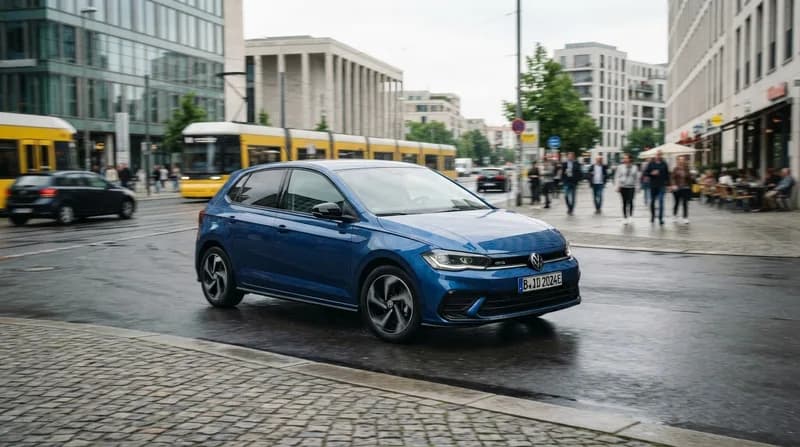
Volkswagen’s venture into the affordable electric vehicle market appears to be a runaway success. The new ID. Polo, which represents the company’s push for a sub-€25,000 electric car, has garnered over 30,000 orders across Europe since its launch. Industry reports indicate that interest in the B-segment vehicle has significantly outpaced original projections, particularly in the German market, leaving dealerships with a backlog that stretches into next year.
While prospective buyers face a waiting period of at least ten months for custom-configured models, Volkswagen notes that pre-configured stock may be available sooner as they continue to ramp up production at their Martorell facility. The surge in popularity for the ID. Polo is part of a larger trend for the group, with sibling models like the Škoda Epiq also seeing exceptionally high demand, with the latter already surpassing 35,000 orders.
Technical Specifications and Model Variants
The ID. Polo lineup is designed to cater to a wide range of needs, spanning from the budget-conscious 'Trend' model to more performance-oriented trims. The vehicle is built on a flexible platform that allows for two primary battery configurations, each optimized for different driving profiles.
- ID. Polo Small Battery: Equipped with a 37 kWh LFP battery, this entry-level model produces between 85 kW and 99 kW of power. It offers a WLTP range of 323 kilometers and supports DC fast charging up to 88 kW, achieving an 80% charge in approximately 23 minutes. Prices for this version start at €24,995.
- ID. Polo Large Battery: Designed for longer commutes, this variant features a 52 kWh NMC battery with power outputs reaching 155 kW or 166 kW in the upcoming GTI version. Drivers can expect a WLTP range of up to 455 kilometers, with DC charging rates peaking at 105 kW, allowing for a 10% to 80% charge in just 24 minutes.
Why It Matters
The success of the ID. Polo is a critical milestone for the European automotive industry. For years, manufacturers have struggled to balance the high costs of battery technology with the demand for affordable, compact daily drivers. By breaking the €25,000 barrier, Volkswagen has validated that there is a massive, pent-up consumer appetite for reliable, entry-level EVs. The extended delivery times are both a challenge and a sign of a healthy shift toward mass-market electrification.
Future Outlook
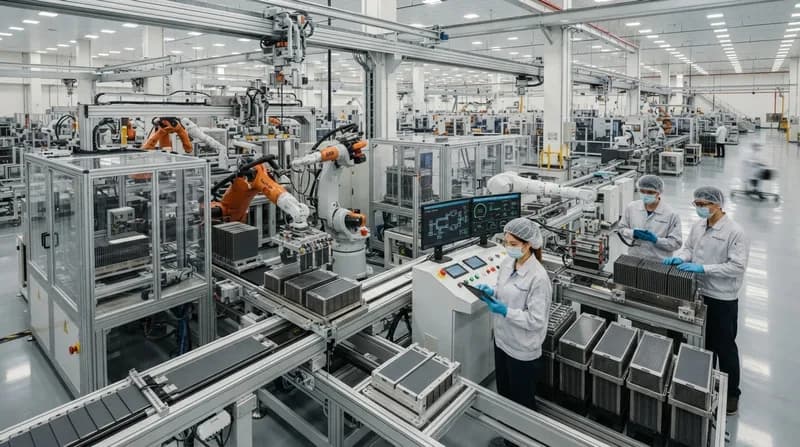
As the company prepares to introduce the high-performance ID. Polo GTI this autumn, with a price tag just under €39,000, the focus will likely remain on optimizing supply chain and manufacturing throughput. If the current trajectory of the ID. Polo and its sister models holds, the B-segment could quickly become the most competitive and volume-heavy segment in the European electric vehicle market by 2027.