The Path Forward: Formula 2030
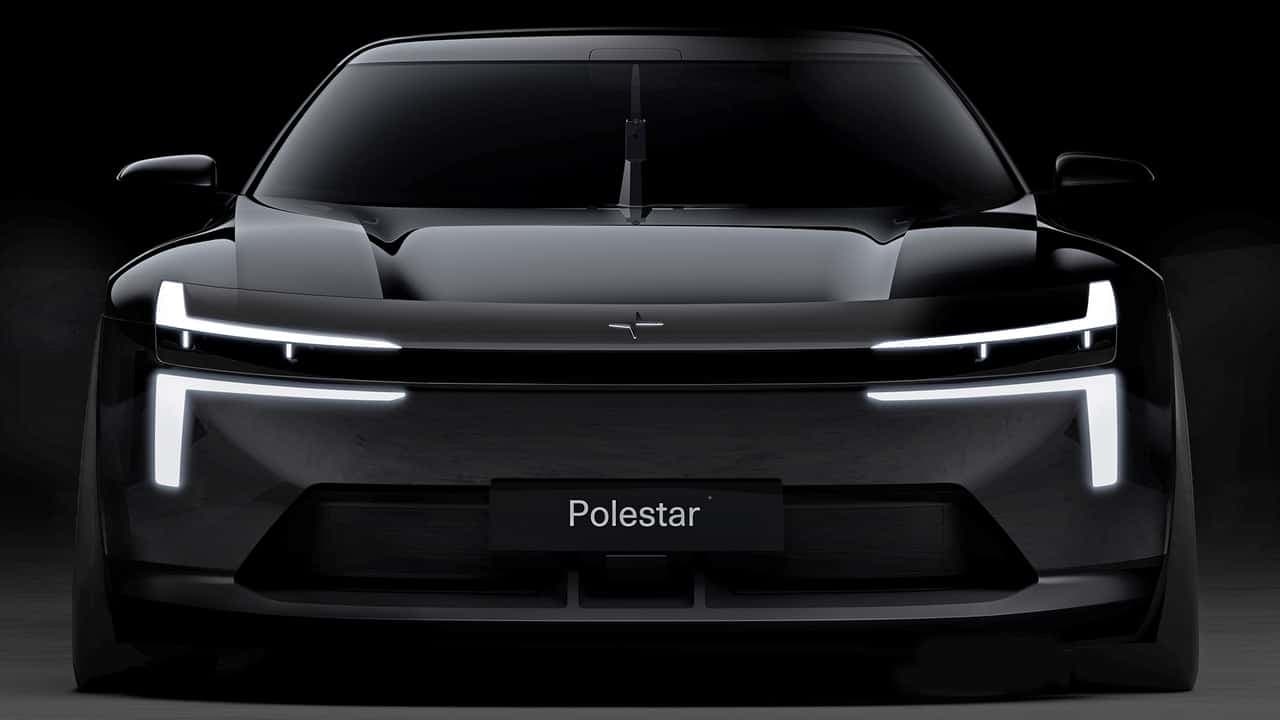
Polestar is entering a pivotal chapter in its corporate history. Amidst shifting market dynamics and financial headwinds, the Swedish performance EV manufacturer has pulled back the veil on its 'Formula 2030' design study. While the name might suggest a distant horizon, the aesthetic and engineering language embedded within this concept is closer than it appears. This new design philosophy is set to influence the next generation of Polestar vehicles, specifically the redesigned Polestar 2, scheduled for early next year, and the long-anticipated Polestar 7, which is expected to make its debut in 2028.
Design chief Philipp Römers emphasizes that the brand is committed to evolution rather than total disruption. The teaser images for the Formula 2030 concept showcase a low-slung, aggressive sedan profile that pushes the brand’s signature styling cues, such as the iconic 'Dual Blade' headlights, into a sharper, more modern form. By accentuating the vehicle's width and adopting a more planted stance, Polestar is signaling a clear move toward high-performance territory, aiming to challenge the dominance of established performance marks like BMW’s M division and Mercedes-AMG.
The Next-Generation Polestar 2
The upcoming Polestar 2 represents a critical milestone for the brand. As the direct successor to the company's most successful model—which has moved over 190,000 units globally—the pressure to iterate successfully is immense. The new model will adopt the design DNA previewed by the Formula 2030 study, promising a fresh interior architecture and an increased reliance on sustainable, high-end cabin materials. By maintaining the sedan form factor while infusing it with the more aggressive, wind-cheating aerodynamics of the new concept, Polestar aims to keep its best-seller relevant in a market that is increasingly crowded with newer, high-tech EV competitors.
Introducing the Polestar 7
Positioned as the 'crossover cousin' to the new Polestar 2, the Polestar 7 is poised to be the brand's potential volume leader. In an automotive landscape currently obsessed with high-riding utility vehicles, the move to bring the Formula 2030 design language to a crossover format is a strategic necessity. While the Polestar 2 carries the heritage, the 7 is intended to capture the mainstream segment, balancing the sporty, performance-oriented aesthetic of the new design direction with the practical space requirements of modern families and commuters.
Why It Matters
- Strategic Pivot: The design language aims to shift perceptions, moving Polestar from a niche EV manufacturer to a direct competitor against legacy performance giants.
- Sustainability Focus: Beyond the exterior, the 2030 roadmap places a heavy emphasis on circular manufacturing and next-generation cabin materials.
- Market Resilience: With financial challenges and recent regulatory setbacks in the U.S. market, these new models are vital for the brand's long-term global recovery and growth trajectory.
As the brand navigates its way through a difficult 2026, the Formula 2030 concept serves as a visual reminder of Polestar’s commitment to its founding principles: precision engineering, minimalist aesthetics, and an unwavering drive toward electrification. With full design details expected during the media launch of the Polestar 4, the automotive world is watching closely to see if these bold design choices can translate into the commercial success needed to stabilize the company's future.