The Strategic Pivot to India
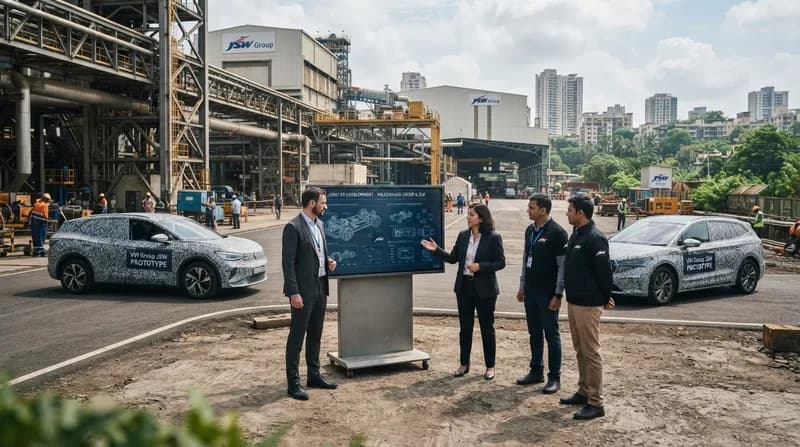
The Volkswagen Group, led by its Czech subsidiary Škoda, is intensifying its efforts to capture a larger share of the burgeoning Indian automotive market. As the brand eyes a post-China expansion strategy, it is actively exploring a joint venture with the Indian industrial conglomerate JSW Group. This collaboration represents a critical shift for the German automaker, which currently relies exclusively on internal combustion engine (ICE) vehicles in the region. By leveraging JSW’s deep local roots and infrastructure, the Group aims to navigate the complexities of the Indian market more effectively than it has in previous years.
Škoda CEO Klaus Zellmer has signaled that while the company could operate independently, a strategic partnership offers the best path toward rapid, large-scale investment. Having signed a memorandum of understanding (MoU), the two entities are now evaluating the fundamental principles of a partnership that could focus on boosting localized development and expanding production capabilities. For VW and Škoda, this move is as much about cultural integration and supply chain mastery as it is about automotive engineering.
The Role of the India Main Platform (IMP)
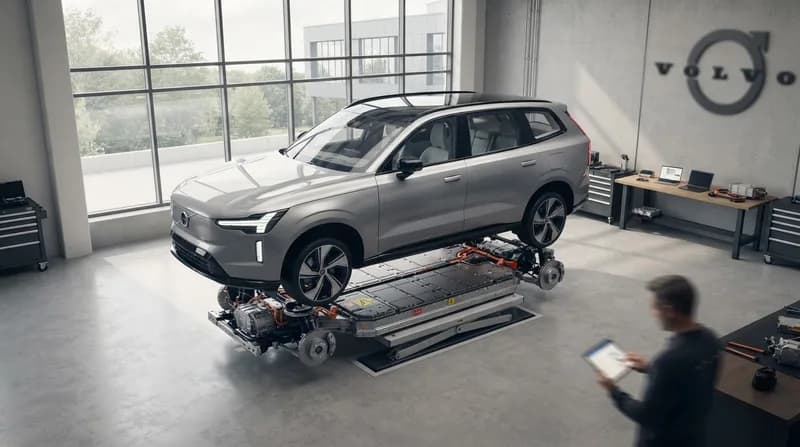
Central to this potential deal is the development and scaling of the India Main Platform (IMP), a dedicated electric vehicle architecture designed specifically for the Indian market. The IMP is a strategic derivative of the brand’s existing 'China Main Platform,' meticulously re-engineered to meet local regulatory requirements, accommodate the specific domestic supply chain, and ensure a high degree of component localization. This platform is the linchpin of the Group's plan to roll out its first electric vehicle offerings in India by 2028.
Financial hurdles have previously hampered progress, with reports indicating that the Volkswagen Group faced challenges in fully funding the platform on its own. A partnership with JSW could provide the necessary capital to move the IMP from design to production. If successful, this venture would allow the Group to finally bridge the gap between their current ICE-heavy lineup and the increasing consumer demand for sustainable mobility in India.
The Potential for Majority Ownership Shifts
In a notable departure from its traditional corporate structure, industry reports suggest that the Volkswagen Group may be open to ceding majority control to its partner. Speculation circulating in the Indian media hints at a potential ownership split of 51 percent for JSW and 49 percent for Volkswagen. This willingness to relinquish a controlling stake highlights the urgency and importance the Group places on securing a foothold in India, a market that has historically proven difficult for global OEMs to navigate.
This is not the first time the Group has sought partnerships in the region. Past attempts to collaborate with manufacturers like Suzuki, Tata, and Mahindra have yielded mixed results or outright failure. However, JSW enters the negotiations with significant experience, currently managing a joint venture with SAIC Group for MG Motor in India. Furthermore, with JSW already planning to launch an independent EV brand using technology from Chinese manufacturer Chery, the conglomerate possesses both the industrial capacity and the strategic ambition to make this partnership a defining moment for the future of Indian mobility.