The Political Collision Course
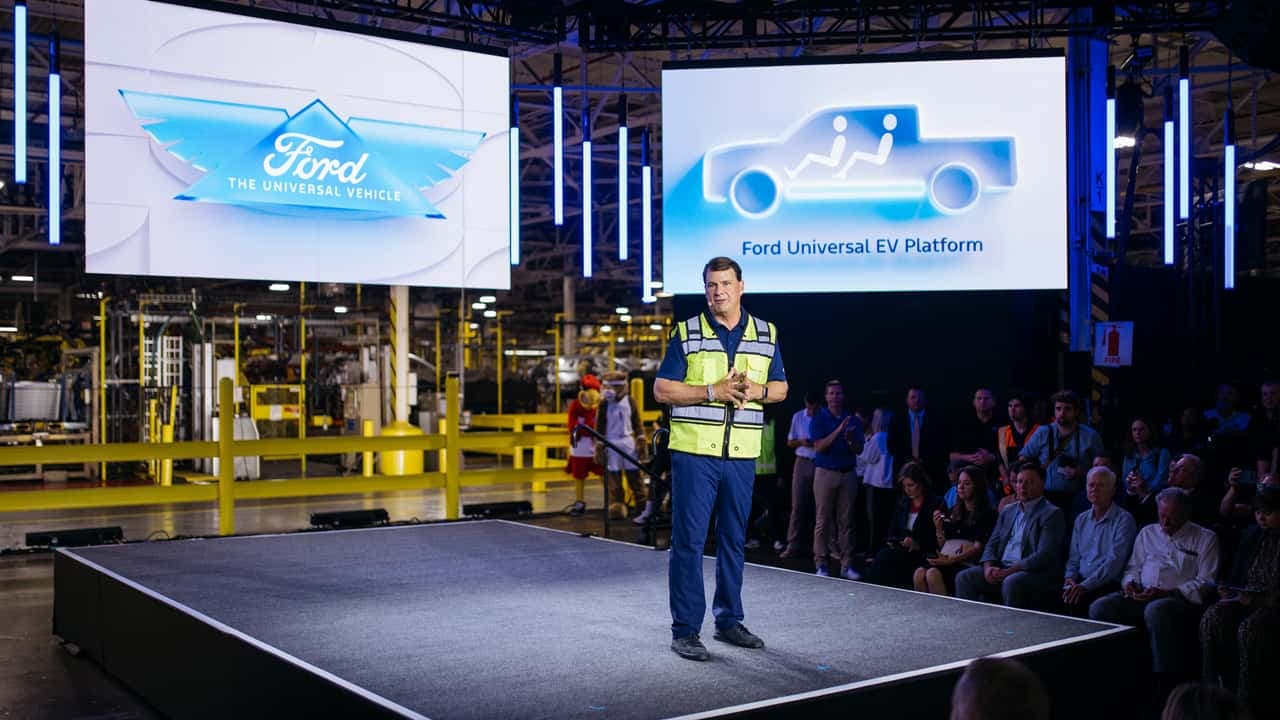
The automotive industry finds itself at a precarious intersection of domestic ambition and global geopolitical tension. Recently, the relationship between Ford Motor Company and the Trump administration hit a new low following a scathing letter from Transportation Secretary Sean Duffy. In the missive, Duffy took aim at Ford’s strategic licensing deal with CATL, which is intended to facilitate the domestic production of lithium iron phosphate (LFP) batteries in Michigan. The administration expressed profound concern regarding what it characterized as excessive operational reliance on a strategic competitor, arguing that such partnerships undermine Ford’s standing as a reliable domestic partner.
Ford’s response was immediate and defiant. The automaker dismissed the critique as a politically motivated attempt to secure headlines rather than a substantive critique of their manufacturing strategy. By taking the argument public, Ford has spotlighted a fundamental issue: Washington is demanding a decoupling of the U.S. auto industry from Chinese influence, yet it lacks a coherent definition of how that should be achieved or which specific activities should be prohibited.
The Inconsistency of Regulatory Pressure
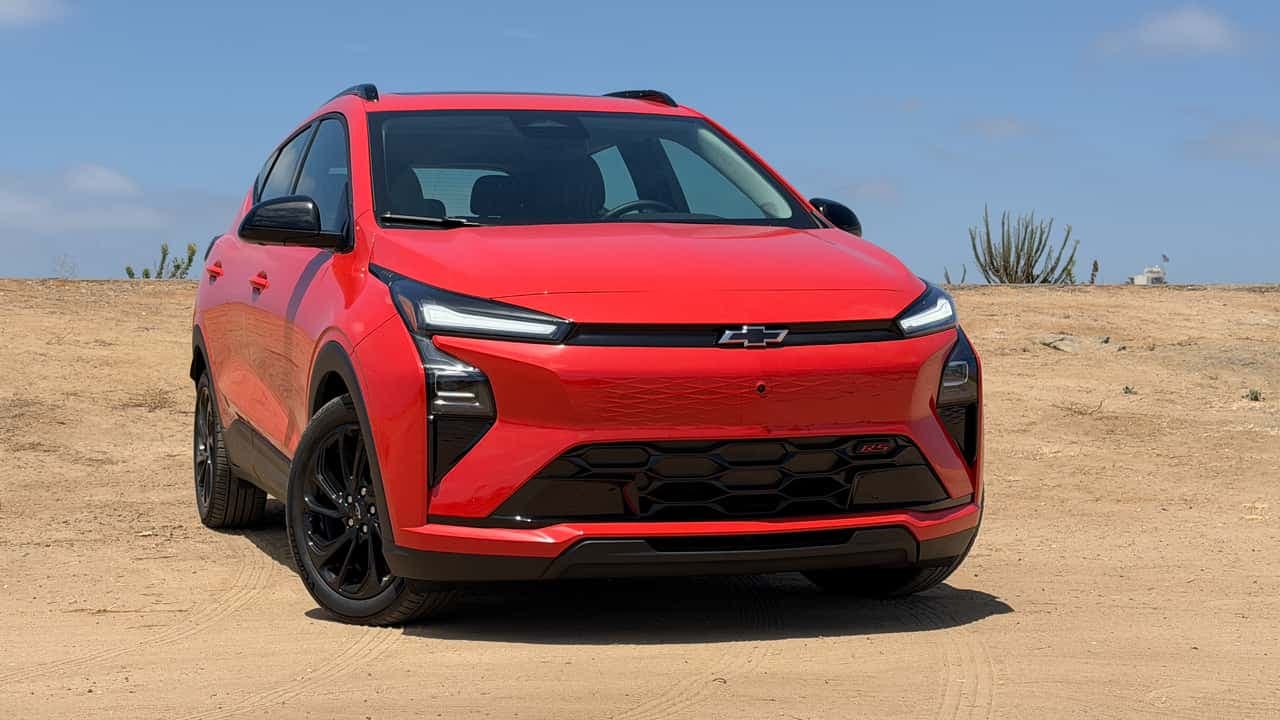
The administration’s stance appears increasingly scattershot when held up against the broader industry landscape. While Ford has been singled out, several other major players in the automotive sector continue to utilize Chinese battery technology or maintain deep-rooted partnerships with Chinese manufacturers. General Motors, for instance, has long integrated Chinese batteries into its fleet, including the Chevrolet Bolt, and Stellantis maintains an active ownership stake in Leapmotor. Even smaller initiatives are leveraging domestic production of LFP batteries by Chinese firms like Gotion.
The lack of clear, consistent guidelines is fostering a climate of profound uncertainty for manufacturers. This confusion is compounded by contradictory messaging from within the federal government. While the Department of Transportation lashes out at Ford’s Michigan project, the White House has simultaneously touted that very same facility as a prime example of successful domestic investment and supply chain localization. This internal discord leaves the industry guessing whether the goal is total independence, selective engagement, or simply the appearance of hostility toward foreign influence.
Why It Matters
- Policy Fragmentation: The U.S. currently has a patchwork of high tariffs and shifting rhetoric, but lacks a unified, long-term strategy for battery supply chain independence.
- Technological Reality: Chinese manufacturers currently lead the world in development velocity and battery production efficiency, making a complete break difficult for legacy automakers.
- Global Competitiveness: If American companies are barred from utilizing proven international partnerships, they may struggle to achieve the economies of scale needed to compete with the surging efficiency of the Chinese market.
The Future of Domestic Auto Manufacturing
The geopolitical posturing extends beyond simple battery chemistry. There is significant speculation regarding future restrictions on foreign-built vehicles entering the U.S. market, even via proxies like Mexico or Canada. However, the irony remains that many of the advancements in EV architecture and in-vehicle software have matured through decades of global collaboration. By pushing to sever these ties, Washington risks isolating U.S. firms just as they are attempting to narrow the performance and price gap with their international counterparts.
Ultimately, the Ford spat may just be the beginning of a broader reckoning. As the government continues to weigh strict ownership and technology bans, the industry is forced to navigate an environment where political theater frequently outweighs technical capability. Whether this pressure leads to a true domestic renaissance in manufacturing or simply leaves American automakers at a technological disadvantage remains the central question for the decade ahead.